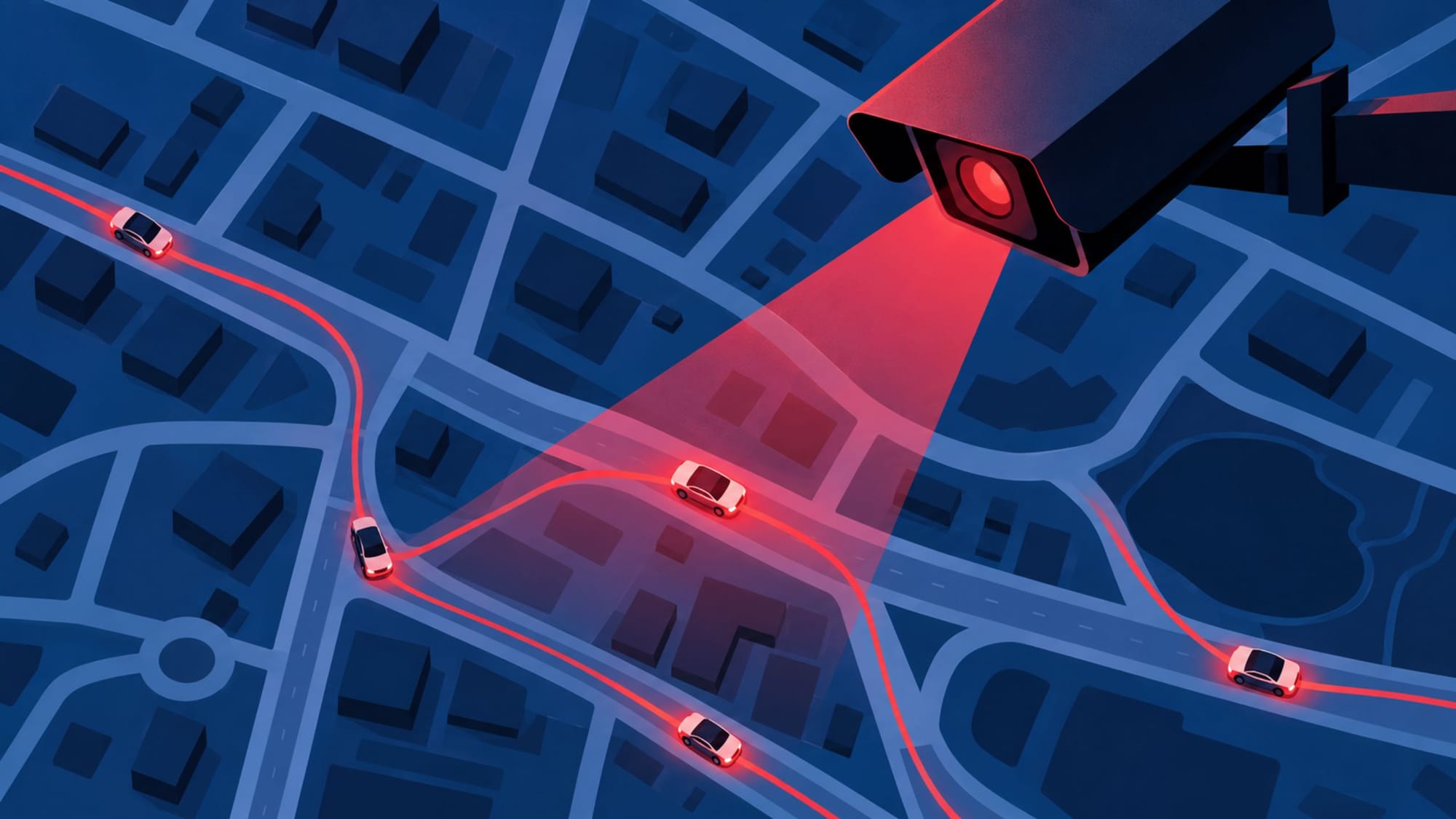
A courtroom drama over state surveillance in India took a striking turn when a Supreme Court judge suggested that people who live transparently should not be troubled by government monitoring.
The case involved allegations that Telangana’s state intelligence apparatus was used for political snooping, but the discussion soon widened into a philosophical clash over privacy and power.
Former Special Intelligence Bureau (SIB) chief T. Prabhakar Rao, accused of directing unlawful phone tapping during the previous BRS government, was before the bench as the State sought more time to keep him in police custody.
During the hearing, Justice B.V. Nagarathna questioned why citizens would object to being monitored at all, asking, “Now we live in an open world. Nobody is in a closed world. Nobody should be really bothered about surveillance. Why should anyone be bothered about surveillance unless they have something to hide?”
Her comment prompted Solicitor General Tushar Mehta to caution against normalizing government spying. He asked whether this meant “every government will have a free hand in putting people under surveillance,” warning that secret monitoring without authorization was unlawful and incompatible with basic freedoms.
Mehta reminded the bench that the Constitution, as affirmed in the landmark Puttaswamy ruling, enshrines privacy as part of human dignity and liberty.
“The Supreme Court knows the difference between an ‘open’ world and being under illegal surveillance. My personal communications with my wife… I have a right not to be under surveillance,” he said.
Although Justice Nagarathna acknowledged that “ideally” surveillance should not occur, she continued to stress that a person who has “nothing to hide” should not fear it. This reasoning, one often used to rationalize intrusive data collection, was met with unease from those who believe privacy is not contingent on innocence.
The case against Rao is centered on claims that he and others conspired to “misuse” SIB systems to watch and profile citizens for partisan advantage.
According to police, data obtained through illegal tapping included personal and medical information, and the accused later attempted to destroy the records.
“This was an illegal surveillance without any authority of law under the guise that they were being monitored in connection with left-wing extremism…This was profiling. It has to stop here. Thereafter, they tried to destroy the data and evidence,” Mehta argued.
The Supreme Court extended Rao’s custody until December 25, after which he must be released while the broader matter remains pending. The bench also prohibited coercive action against him until the next hearing, set for January 16, and instructed him to cooperate with investigators.
Rao surrendered at Jubilee Hills police station on December 12, following directions from the top court. His surrender came after the Telangana High Court rejected his request for anticipatory bail, prompting him to appeal to the Supreme Court.
The assumption that only the guilty need privacy overlooks a core constitutional truth: personal life and communication deserve protection not because people have secrets, but because autonomy itself depends on the right to be left alone.