
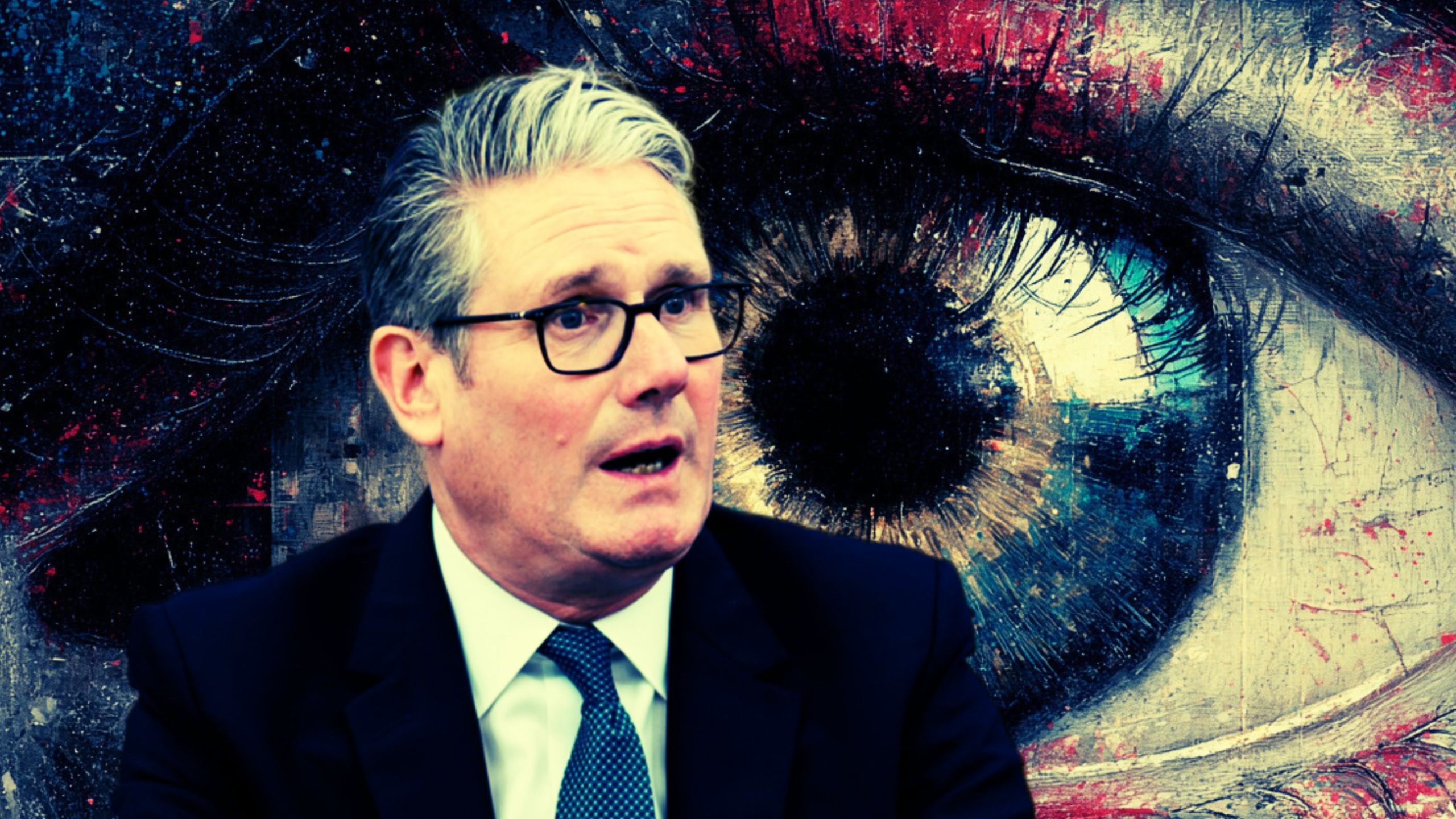
UK Prime Minister Keir Starmer has indicated he is prepared to consider barring children under the age of 16 from social media, saying that “all options are on the table” to improve online protections for young people.
The Government is currently reviewing measures adopted in Australia, where new restrictions have already resulted in the blocking of hundreds of thousands of accounts.
Asked whether he would support a similar approach in the UK, Starmer said: “We need to better protect children from social media. We’re looking at what is happening in Australia. All options are on the table in relation to what further protections we can put in place. Whether that’s under-16s on social media or an issue I am very concerned about, under fives and screen time. Children are turning up age four at reception having spent far too much time on screens.”
More: Digital ID UK: Starmer’s Expanding Surveillance State
His comments reflect a growing appetite within Labour to intervene more directly in how children access digital platforms and its broader push to integrate digital ID into more aspects of life.
Ministers are reportedly studying ways to strengthen age-related restrictions amid growing political and parental pressure to address potential harms linked to screen use.
The Sun reported earlier this week that the Prime Minister was leaning toward a ban, with officials examining options for tighter controls.
A vote in the House of Lords this week on a cross-party amendment to restrict under-16s from social media could push the matter back to the Commons for further debate.
The Conservative Party has already pledged to pursue a similar ban.
However, enforcing such a ban would require significant changes to how people access the internet. In order to block under-16s, social media platforms would need to introduce mandatory age verification systems, meaning that every user, not just children, would have to prove their age through digital ID checks.
This would likely involve uploading government-issued identification or biometric data, creating vast databases linking real identities to online profiles.
Once in place, these systems could normalize digital ID checks across the internet, turning age verification into a routine requirement for online activity.
Such a move would also erode the ability to speak anonymously online. When every account must be tied to an official identity, people may self-censor out of concern that their personal details could be exposed.
This would undermine one of the core principles of free expression on the internet: the right to participate in public conversation without being surveilled.
The security implications are also considerable. Databases containing both adult and child identification records would become high-value targets for hackers, increasing the risk of data breaches and identity theft.
While protecting children from harmful online environments is a widely shared goal, the enforcement model required to achieve it through an under-16 ban would reach far beyond child safety.
It would reshape the structure of the open internet, replacing anonymous participation with an identity-verified system in which privacy becomes conditional and speech more easily traced.