There are regulatory disputes. There are political disputes. And then there is the curious spectacle of a British media regulator cheerfully announcing that being sued in the United States is, apparently, a job well done.
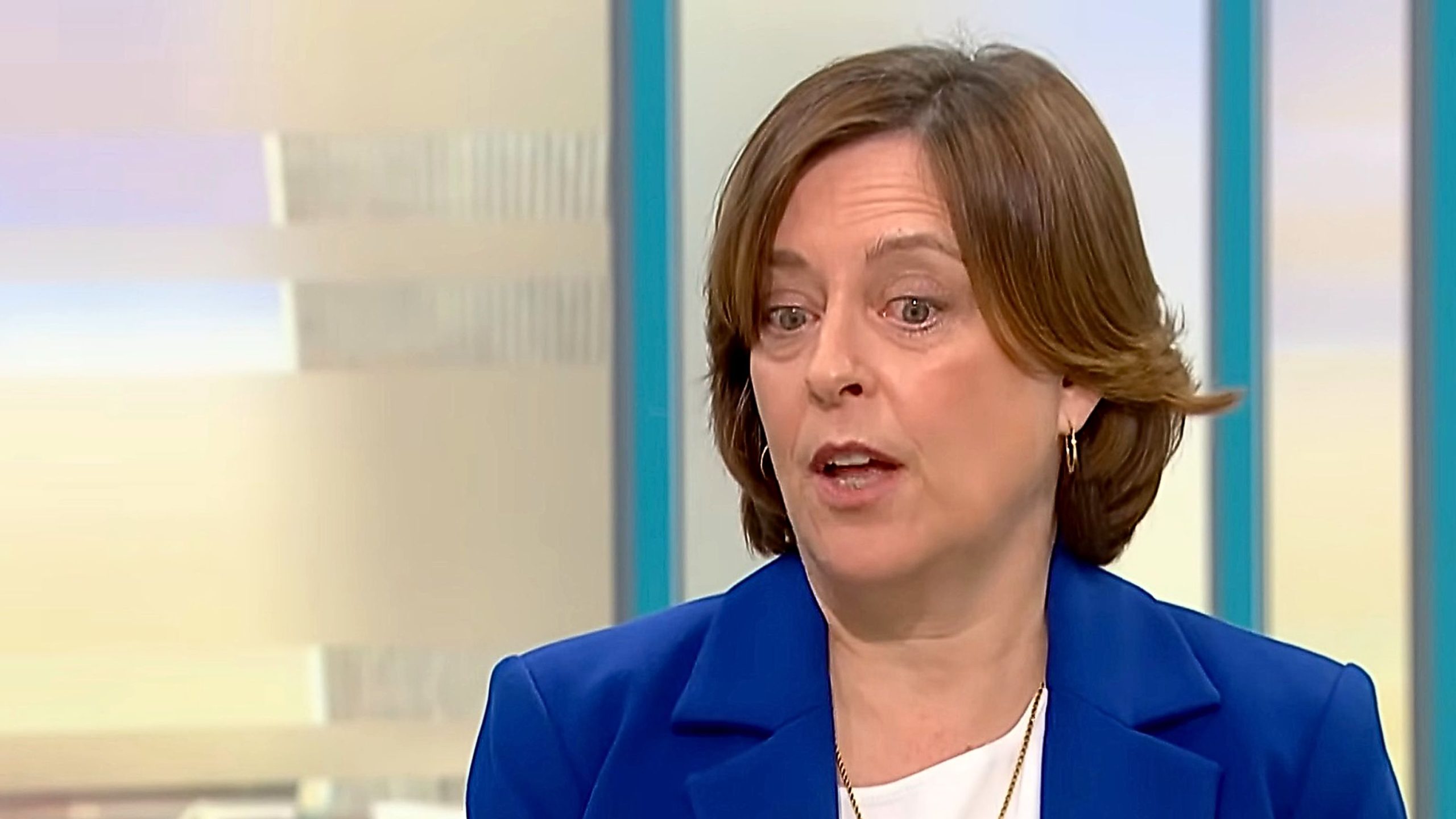
That, in essence, is the position of Melanie Dawes, the head of Ofcom, who has decided that legal warfare with American tech companies is proof that her agency’s censorship demand strategy is working.
Which is a bit like a traffic warden declaring success because the drivers have begun throwing traffic cones at him.
The clash sits inside Britain’s vast new regulatory machine known as the Online Safety Act, a piece of legislation that leads Ofcom to believe it has the power to fine foreign technology companies if they fail to deal with “harmful” speech online. What constitutes “harm” is, of course, decided by the state.
And Ofcom has begun using those powers.
One of the first targets was the message board 4chan. The platform received a fine from the regulator. Instead of quietly paying it, 4chan’s lawyers did something that appears to have surprised the regulator.
They marched into the United States legal system.
The dispute has quickly become less about one website and more about a fundamental disagreement between two legal traditions. Britain believes its regulator can impose obligations on foreign platforms run by foreign people on foreign servers.
Many American lawyers believe the attempt runs straight into the constitutional wall known as the First Amendment to the United States Constitution.
When Dawes appeared on the BBC’s Today program and was asked about the lawsuit, she sounded remarkably cheerful about the conflict.
“We’ve seen quite a lot of pushback, but we expected that, and we will use all the tools at our disposal to keep forcing through that change. I mean, it’s very difficult for me to talk about individual investigations. That one remains live…we’ve got significant legal pushback in the US, but I see that as a sign that we’re having the impact we want.”
It is an unusual standard for success. Most regulators prefer companies to quietly comply rather than launch cross-Atlantic constitutional fights.
The Wider Offensive
The dispute with 4chan is only one front.
Ofcom has also sent letters to several of the largest social media companies demanding stronger age verification measures:
- Meta platforms such as Facebook and Instagram
- Snapchat
- ByteDance’s TikTok
- Google’s YouTube
- Roblox Corporation’s Roblox
- X Corp.’s X
Dawes has given them until the end of April to respond.
“I think they’re quite uncomfortable about this. We’ve given them a deadline of the end of April to come back to us. We’re strongly encouraging them to publish those letters when they come back to us. And whether they do or not, we will publish the responses in May. It’ll be a report card on the industry, on those six companies, and we will then follow up with enforcement action where we need to.”
The regulator appears desperately eager to prove it can make American platforms sweat.