Meta agreed to comply with Florida’s age verification law, HB 3, and will begin purging accounts belonging to children under 14 starting in May.
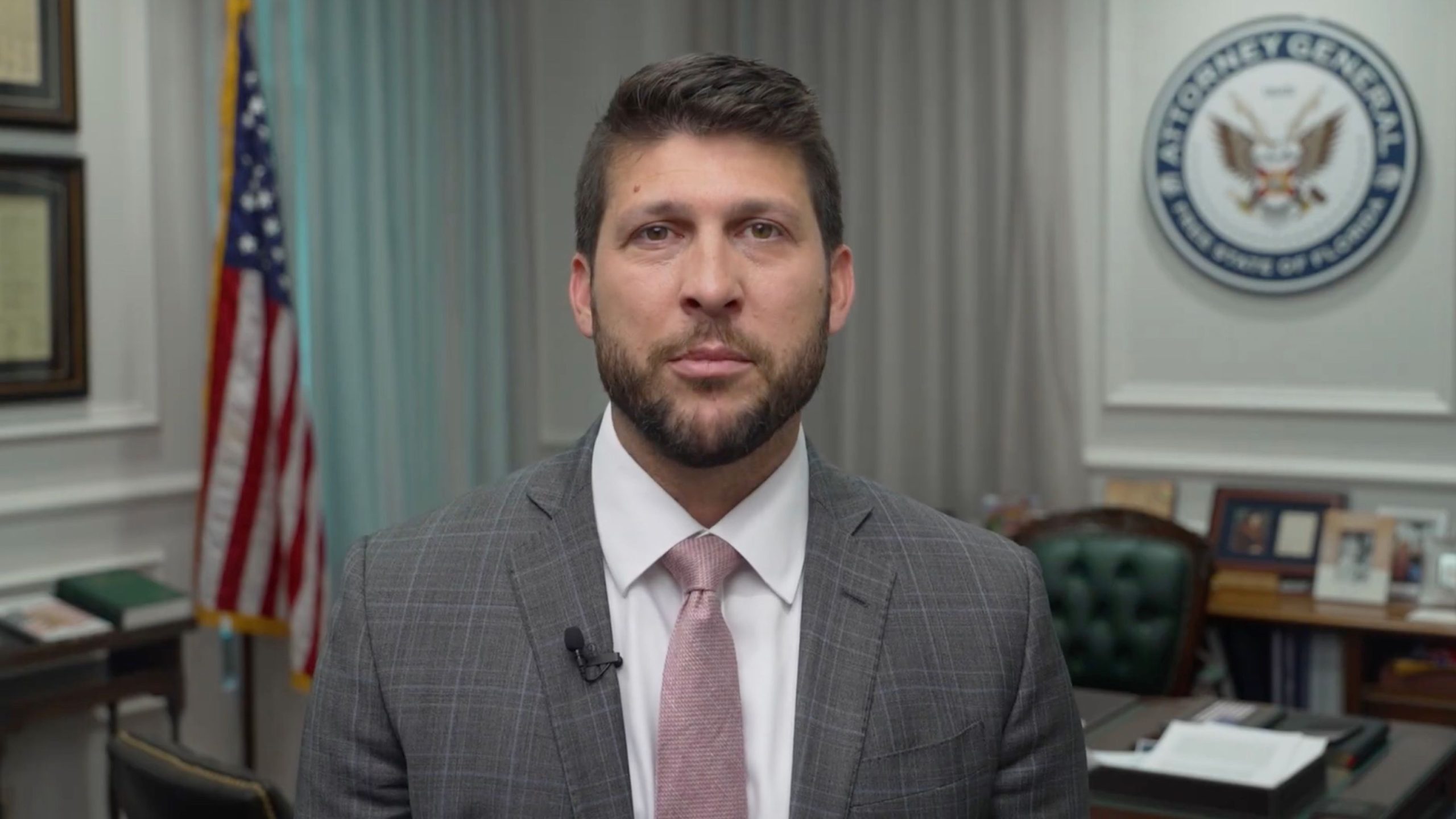
The company’s capitulation comes ahead of an April 8 deadline set by Florida Attorney General James Uthmeier, who threatened litigation against any platform still refusing to verify the ages and identities of its users. Uthmeier is now pressuring Snapchat, Roblox, Discord, and TikTok to do the same.
What Florida calls child protection is also the construction of a statewide identity verification system for the internet. Meta is one of the biggest companies lobbying for age verification checks on the app store level.
HB 3 bans under-14s from social media entirely and requires parental consent for 14- and 15-year-olds. But to block minors, platforms first need to determine who is and isn’t a minor. That means age-checking everyone, adults included. The surveillance burden falls on millions of people who have every legal right to use these services without proving who they are.
The law, signed by Governor Ron DeSantis in 2024 and passed with bipartisan support, spent two years tied up in court before becoming enforceable this March.
Uthmeier appeared on Fox & Friends to announce Meta’s compliance. “I can confirm we heard from Meta, and they have announced they will be complying with our law effective in early May,” he said.
The fines for non-compliance sit at $50,000 per violation, a number Uthmeier says could reach the “billions” if platforms fail to remove unchecked accounts.
State officials expect hundreds of thousands of accounts to be suspended next month. For companies that refuse to comply, Uthmeier’s office has promised to seek heavy damages and injunctive relief in court.
Uthmeier framed this as straightforward child safety. “They know that kids are suffering on these applications. They know the predators are getting to kids. So we’re encouraging companies, ‘come in, sit down. Let’s work together, let’s protect our kids at all costs,” he said.
What he didn’t address is what happens to the identity data that platforms will need to collect from every user in Florida to comply. The law doesn’t specify which verification methods count as “reasonable,” leaving platforms to decide how much personal information to harvest and how long to keep it. Government IDs, biometric scans, payment credentials, behavioral profiling: all of these are on the table, and none of them come with meaningful retention limits.
Discord is one of the platforms Uthmeier singled out. The company’s earlier experiment with government ID-based age verification already resulted in a breach exposing over 70,000 government-issued IDs, a preview of what mandatory identity collection across every major platform could look like at scale.
The legal challenge to HB 3, brought by the Computer & Communications Industry Association and NetChoice in Computer & Communications Industry Association v. Moody, is still active.
A federal district judge in Tallahassee initially blocked the law in June 2025, ruling it was “likely unconstitutional” as a restriction on protected speech. Two judges on the 11th Circuit reversed that in November, staying the injunction and finding Florida likely to succeed.
Florida is constructing that system now, behind a child-safety rationale that makes the long-term privacy costs easy to ignore.