
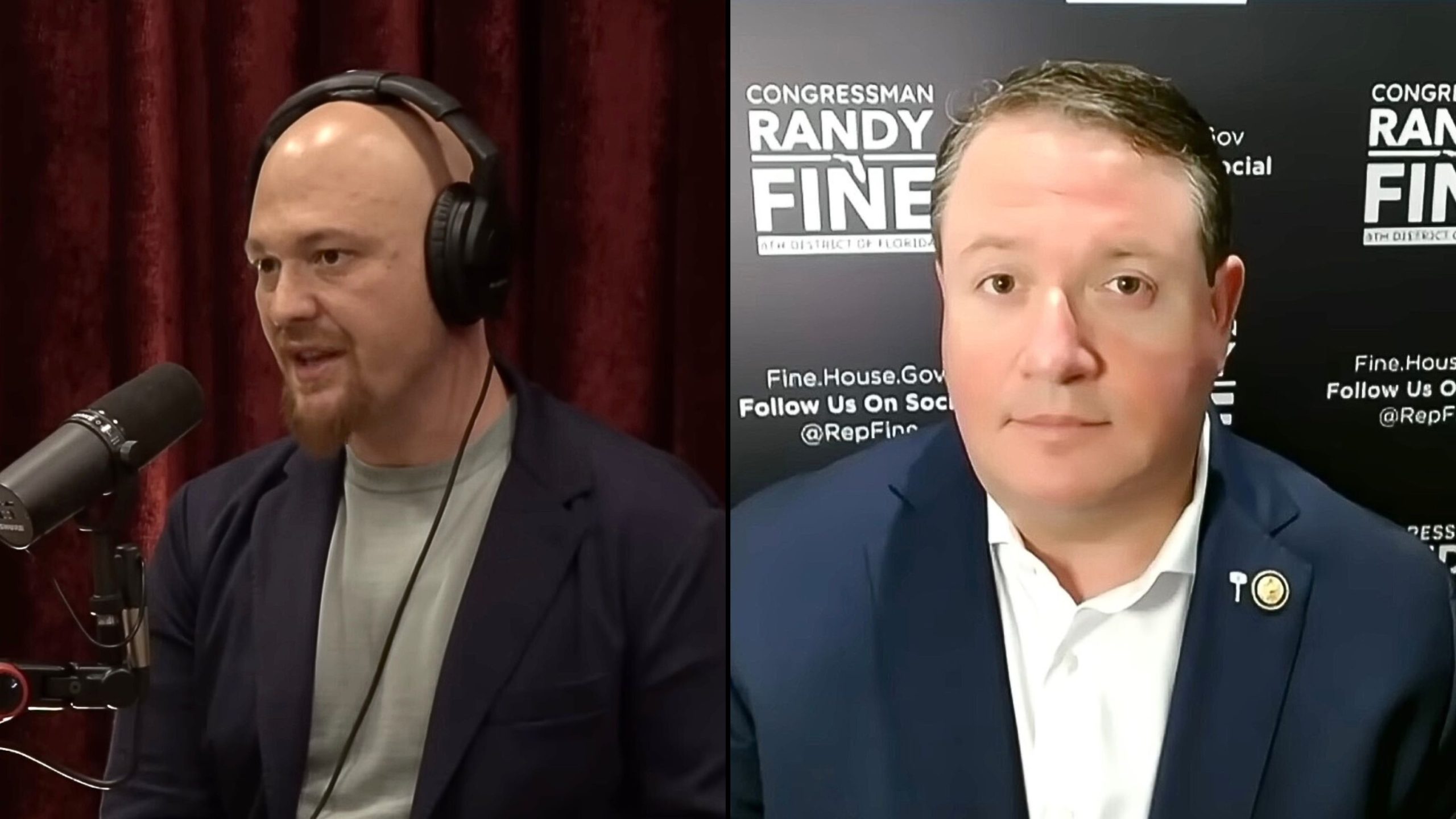
Amjad Masad, the CEO of Replit, posted a sarcastic reply to a congressman’s social media account. The congressman blocked him. Now Masad is suing, arguing that a sitting member of Congress used his official government account to silence a constituent for saying something he didn’t like.
The lawsuit, filed February 25 in the Middle District of Florida, names Rep. Randy Fine as the defendant. The claim is simple: Fine operates @RepFine as an official channel for government business, opened it to public participation, and then kicked Masad out of that public space because Masad criticized him. Courts have already ruled this to be unconstitutional.
We obtained a copy of the lawsuit for you here.
What did Masad actually post? Fine had published a statement from his official account: “If they force us to choose, the choice between dogs and Muslims is not a difficult one.” Masad replied: “Are you talking about what’s for lunch?” Fine blocked him shortly after.
That’s the speech that got censored; a sarcastic question.
The legal question the lawsuit turns on is whether @RepFine functions as a government account or a personal one. The complaint is thorough on this point. The account links to fine.house.gov. It lists Fine’s location as Washington, D.C., not Florida, which is where he lives. The account name is “Congressman Randy Fine.” Fine used it on February 19 to announce proposed federal legislation he called the “Protecting Puppies from Sharia Act.”
The complaint also notes that this account is open to the entire public nationwide, not just residents of Florida’s 6th Congressional District.
When a government official opens a public forum for civic participation, the First Amendment prohibits them from throwing people out of that forum for the viewpoints they express.
The Supreme Court addressed this directly in Lindke v. Freed (2024), which the complaint cites. The test is whether the account’s operation is fairly attributed to the government. @RepFine clears that bar by essentially every measure.
Masad is not the only person Fine blocked for pushing back. The complaint alleges that Fine also blocked Aaron Baker, a Republican congressional candidate, after Baker criticized Fine’s official positions.
A separate lawsuit Baker filed on February 20 makes the same First Amendment claim. The pattern the complaint describes is selective: dissenting voices removed, favorable commentary left alone.
That’s precisely what the First Amendment prohibits.
The lawsuit asks the court to declare Fine’s block unconstitutional, order him to unblock Masad, and award attorneys’ fees.