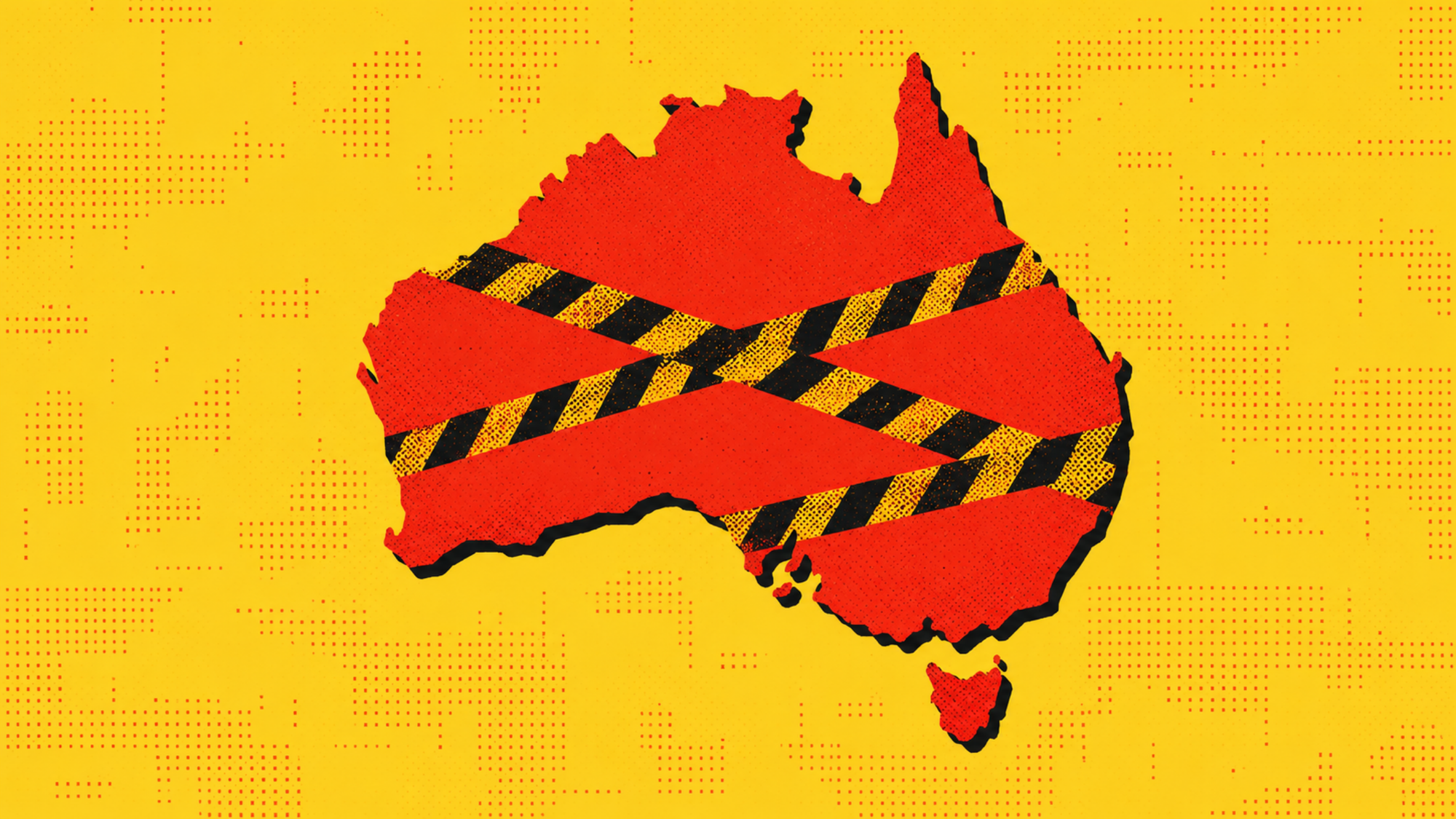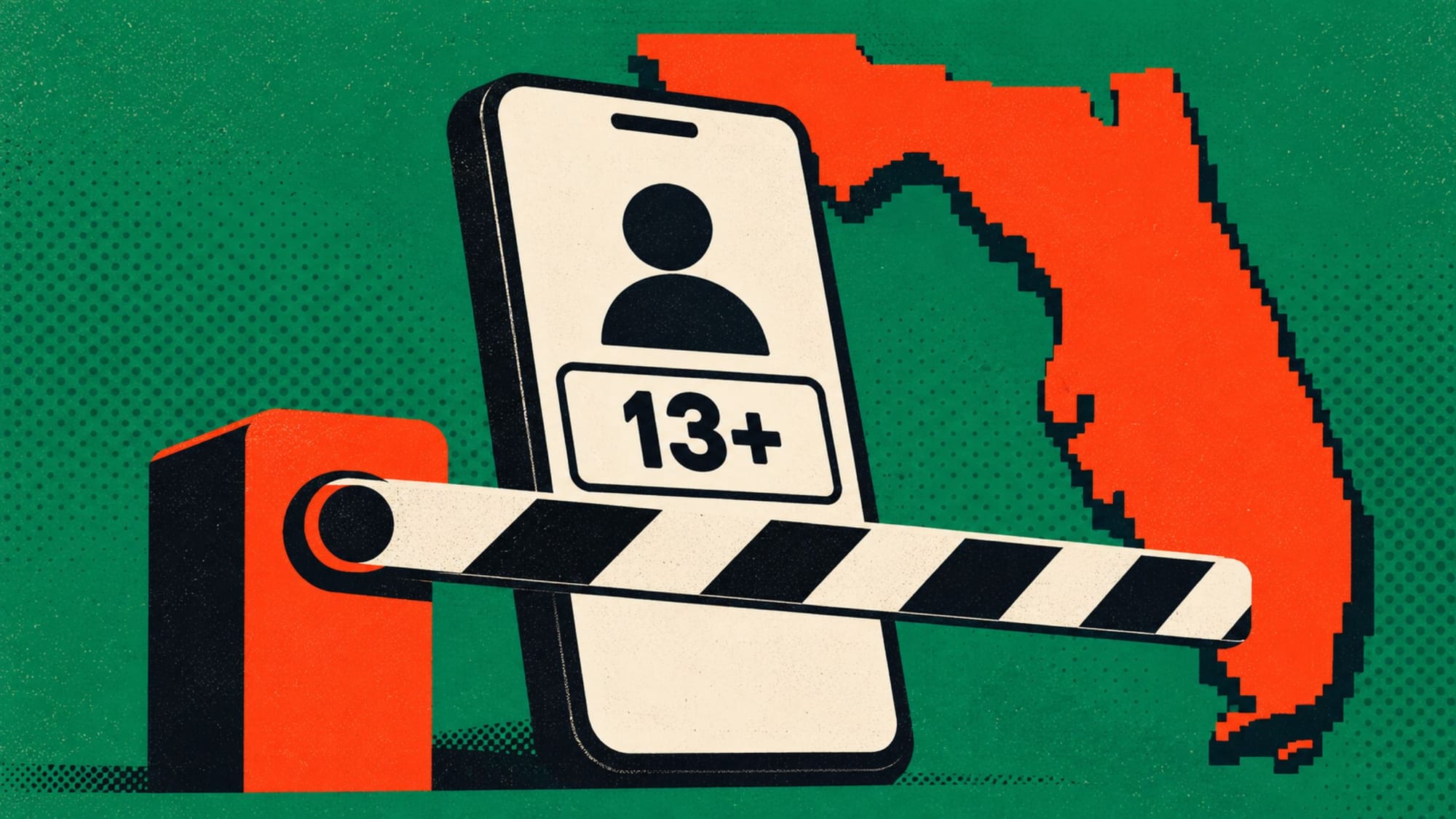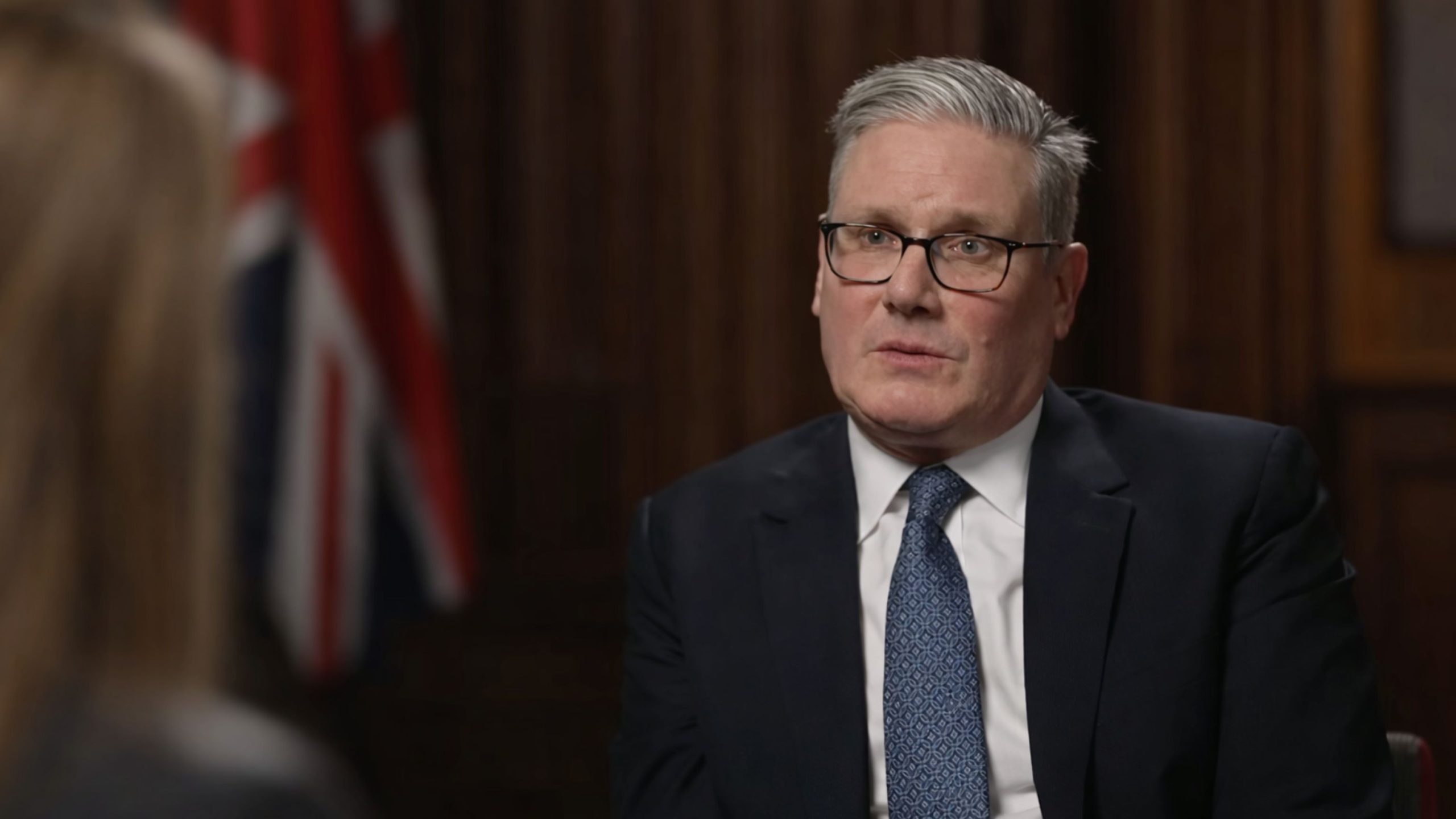
Keir Starmer wants to regulate what British people see online, and he wants to do it fast, with as little parliamentary involvement as possible.
The British Prime Minister told The Mirror he backs a Budget-style annual update process for online censorship rules, a mechanism designed for speed rather than scrutiny.
Budget updates are expedited by convention, with MPs given limited time and opportunity to pick apart what’s being pushed through.
Starmer wants the same treatment applied to the government’s ability to control what appears on social media.
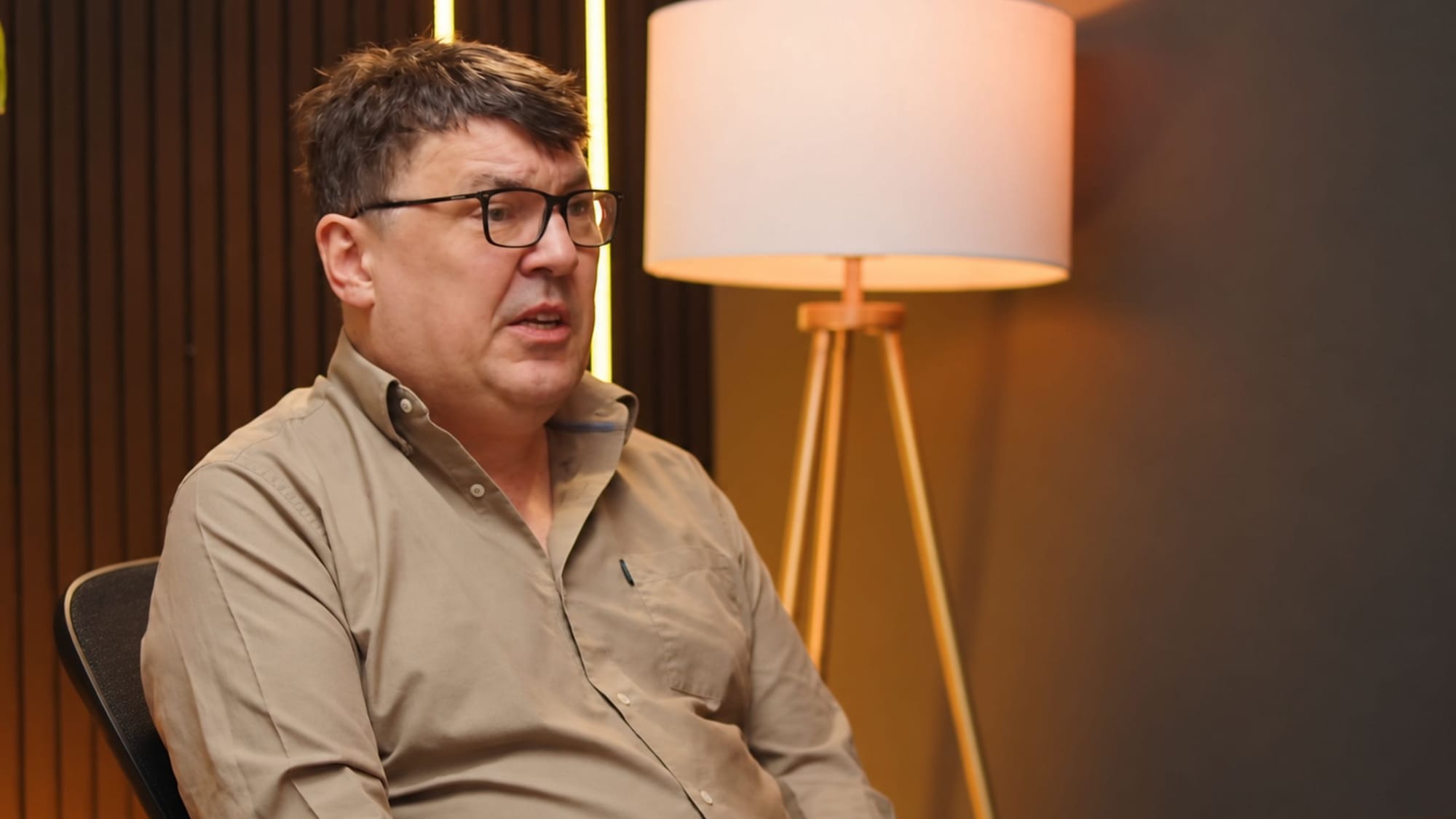
When asked about this, he said: “We’re going to have, we’ll have to think of a device of whether it’s rolling provisions or something like that. But what we can’t have is a government that is stumbling to keep up because it keeps needing to pass provision that takes years before it goes in. People who’ve got children now want to know you’re going to do something that actually helps my child, not something which might take years in the making.”
If you hadn’t noticed, “rolling provisions” is a polite term for a permanent, fast-tracked legislative pipeline where the government gives itself new censorship and surveillance powers year after year, and Parliament barely gets to debate it.
The model Starmer is describing here is sometimes called a “Henry VIII clause,” where ministers can amend primary legislation through statutory instruments that limit debate and bypass the usual parliamentary process.
The government has already tabled amendments to the Crime and Policing Bill and the Children’s Wellbeing and Schools Bill that would allow senior ministers to modify the Online Safety Act and restrict children’s access to specific online services, all without the need for full parliamentary approval.
The justification, as always, is children. Starmer also told The Mirror he now considers himself “open-minded” about banning under-16s from social media entirely, and declared that “addictive algorithms” should be prohibited. He made similar comments in an interview with The Observer, published the same weekend.
He told The Mirror: “This is the platforms trying to get children to stay on for longer, to get addicted. I can’t see that there’s a case for that, and therefore I can see we’re going to have to act.”
He added: “We’ll go through the consultation, but I think I’ll be absolutely clear things will not stay as they are. This is going to change. I don’t think the next generation would forgive us if we didn’t act now.”
Children are always the justification. They were the justification for the Online Safety Act, which has already blocked UK users from accessing support pages for alcohol addiction, child sexual abuse survivor resources, and sexual assault survivor communities on Reddit, along with political and legal content, including parliamentary speeches.
They were the justification when the government said “no platform gets a free pass” and went after Elon Musk’s Grok chatbot.
And they are the justification now, as Starmer pushes for a system where the next round of speech controls gets expedited through Parliament every year, like a line item in the tax code.
Starmer’s timing is telling. A jury in Los Angeles recently ruled that Meta and YouTube were negligent in the design of their platforms, awarding $3 million in compensatory damages and $6 million in punitive damages to a 20-year-old woman who said childhood social media use had contributed to depression, anxiety, and body dysmorphia.
Meta and Google both plan to appeal. Starmer has said the decision could mark “a turning point” leading to “much stricter content restriction,” and his government source told reporters: “Nothing is off the table when it comes to protecting children online.”
“Nothing is off the table” is the kind of phrase that should make anyone paying attention uncomfortable.