The Benefits and Triumph of Public Domain Over Disney’s Empire of Lobbying

Contrary to Disney's beliefs, it's the releasing of restrictions that fuels creativity.
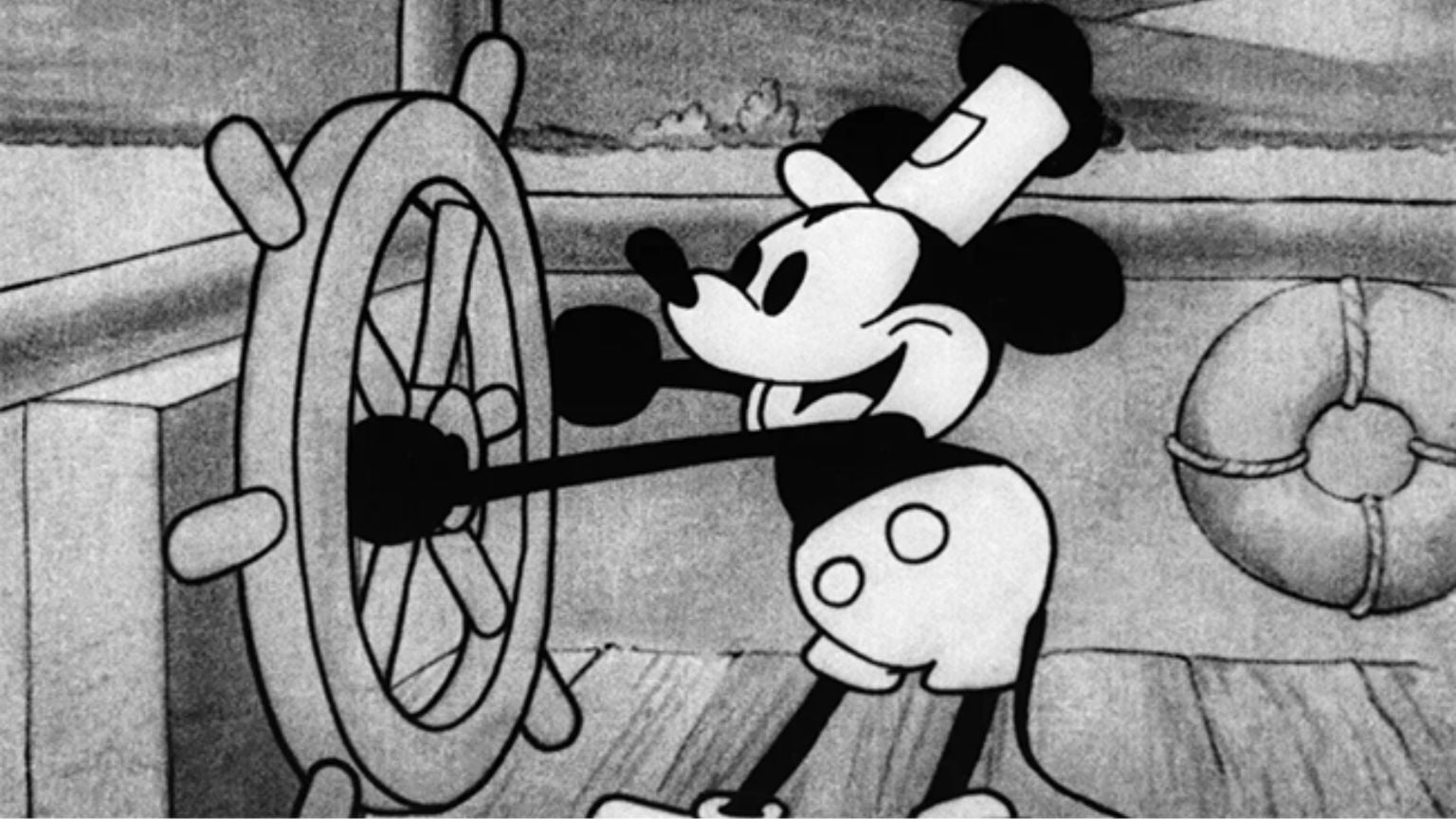
After nearly a century under Disney’s copyright control, Mickey Mouse, the famed cartoon character, has now entered the public domain in the United States as of January 1st, 2024. This transition includes the earliest versions of Mickey Mouse as depicted in “Steamboat Willie” and a silent rendition of “Plane Crazy.” Additionally, an early rendition of Minnie Mouse also joins the public domain. While various layers of legal protection still shroud Mickey, this development marks a long-anticipated milestone for proponents of the public domain, alongside other notable works becoming publicly accessible.

The case of ongoing characters like Mickey Mouse highlights the complexities of copyright law. The public domain version of Mickey does not include significant alterations made in later works, such as the “Sorcerer’s Apprentice Mickey” from the 1940 Fantasia movie. Furthermore, creating works that misrepresent themselves as Disney productions or official merchandise is prohibited, as Mickey Mouse remains a registered Disney trademark.

Red shield logo with three stylized black and white arrows curving outward, next to the text 'RECLAIM THE NET' with 'RECLAIM' in grey and 'THE NET' in red

Become a Member and Keep Reading…

Reclaim your digital freedom. Get the latest on censorship, cancel culture, and surveillance, and learn how to fight back.

Already a supporter? Sign In.
(If you’re already logged in but still seeing this, refresh this page to show the post.)

More you should know:

Share this post