
Topic: Egypt
Egypt has intensified its crackdown on free speech and privacy, with measures including the criminalization of online content deemed as misinformation and the arrest of journalists for reporting on corruption. The government’s aggressive censorship extends to social media platforms, where users face severe repercussions for expressing dissenting views. This environment poses significant threats to individual liberties and the right to free expression.
-
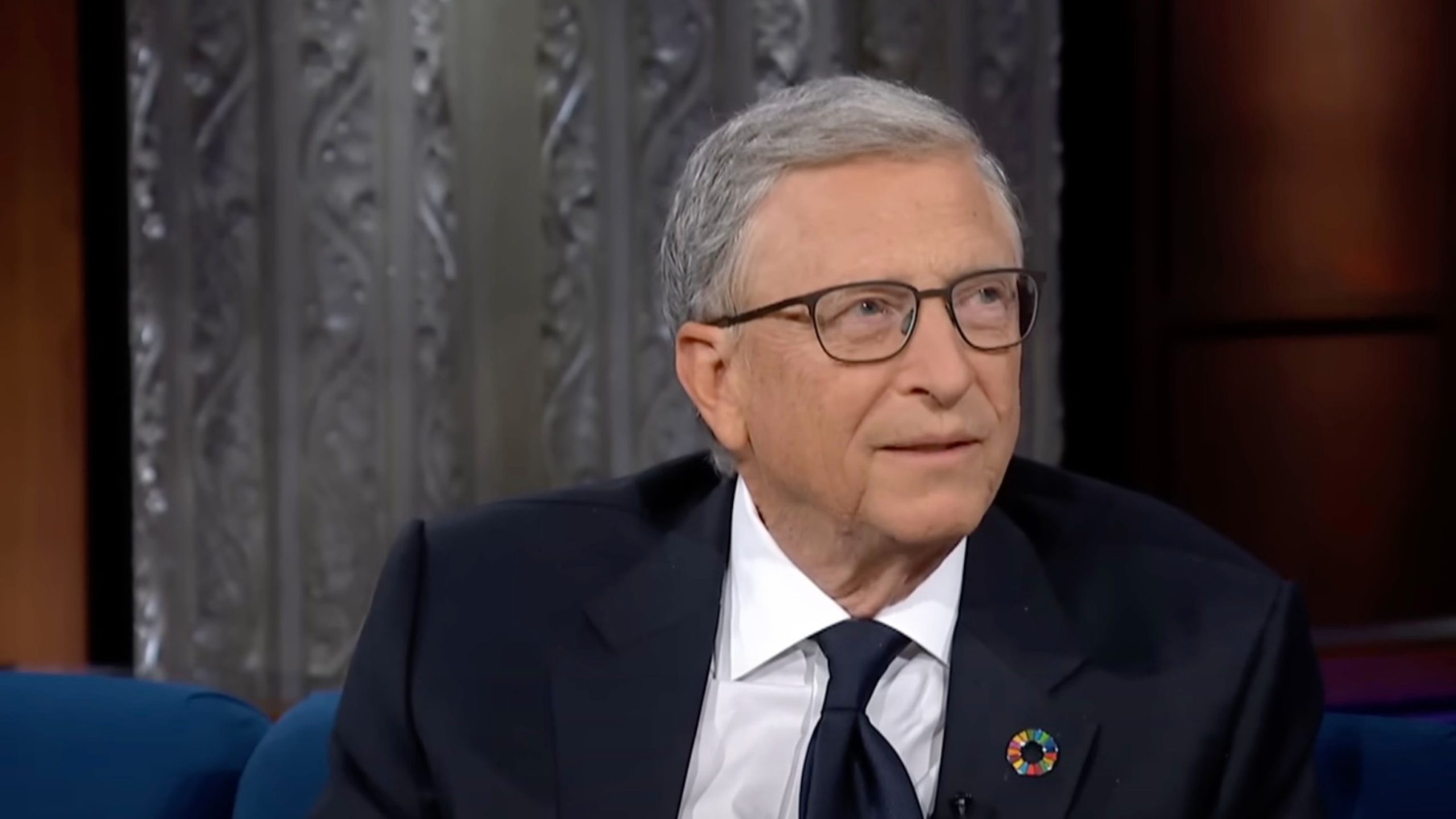
Bill Gates Doubles Down on Global Digital ID Push as Critics Sound Alarm on Privacy Risks
Gates insists that properly designed digital IDs will protect personal freedoms.
-
-
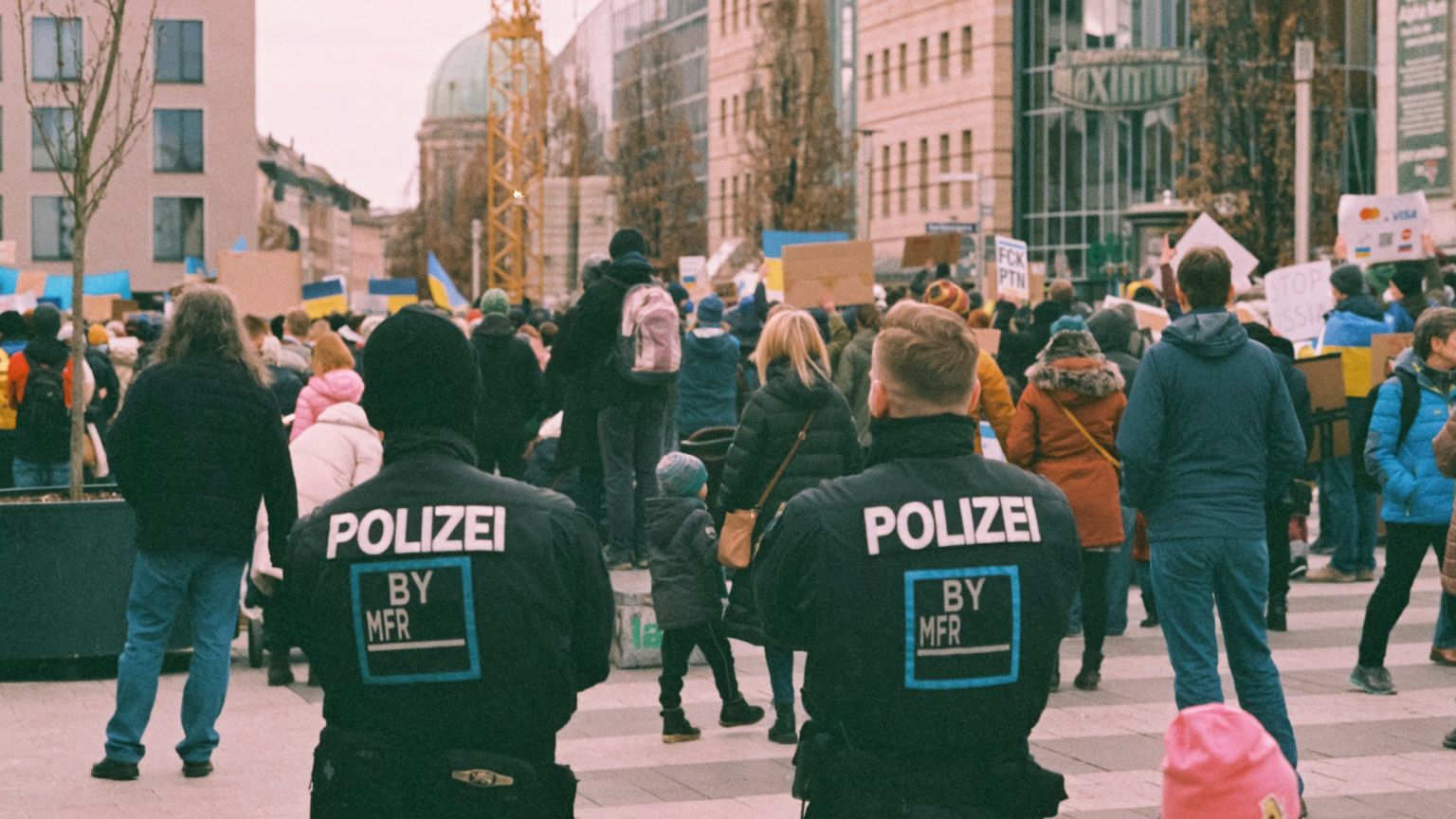
New Europol rules expand police powers, reduce rights protections, and allow vast data collection
Allowed to collect data on people that aren’t even suspects in a crime.
-
Egypt charges four journalists for “fake news” over article alleging corruption
Suppressing journalism.
-
Facebook censored UK Catholic charity
No explanation was given.
-

Governments increasingly use the idea of COVID “misinformation” to suppress speech and dissent
It’s happening all over the world.
-
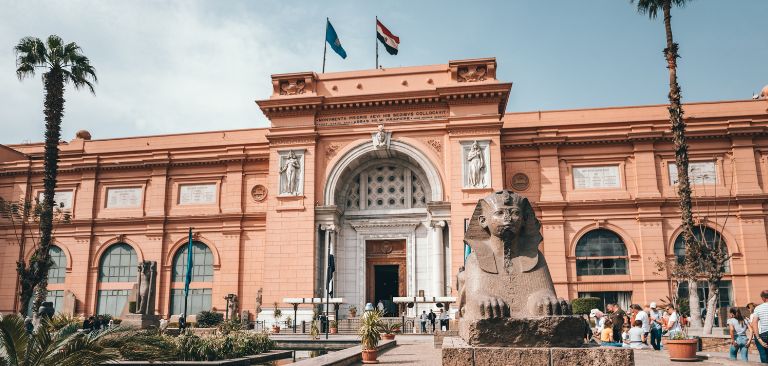
Australian citizen finally released from jail after Egypt arrest for hitting “like” on a political post
10 months in prison for liking the post of a former political candidate.
-
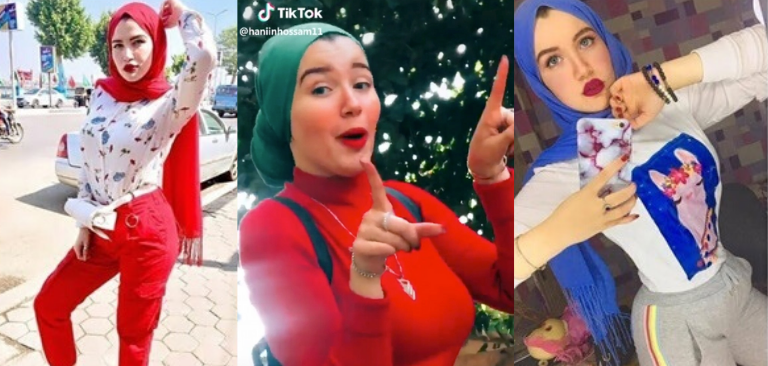
Egypt continues to arrest women for posting TikTok videos
Users are being surveilled and arrested for “immorality” for dancing.
-
Covid-19 ushers in a new wave of privacy and free speech threats
?Civil liberties have suffered major setbacks.
-
Twitter removes propaganda from Egypt, Honduras, Indonesia, Saudi Arabia, and Serbia – so why not China?
Twitter has been alerted several times about Chinese propaganda bots, yet they always remain on the platform.
-
Egypt’s grand mufti, Islamic cleric Ali Jumaa, issues fatwa on Facebook Group that exposes cheating husbands
The Facebook group is apparently “causing harm to families.”
-
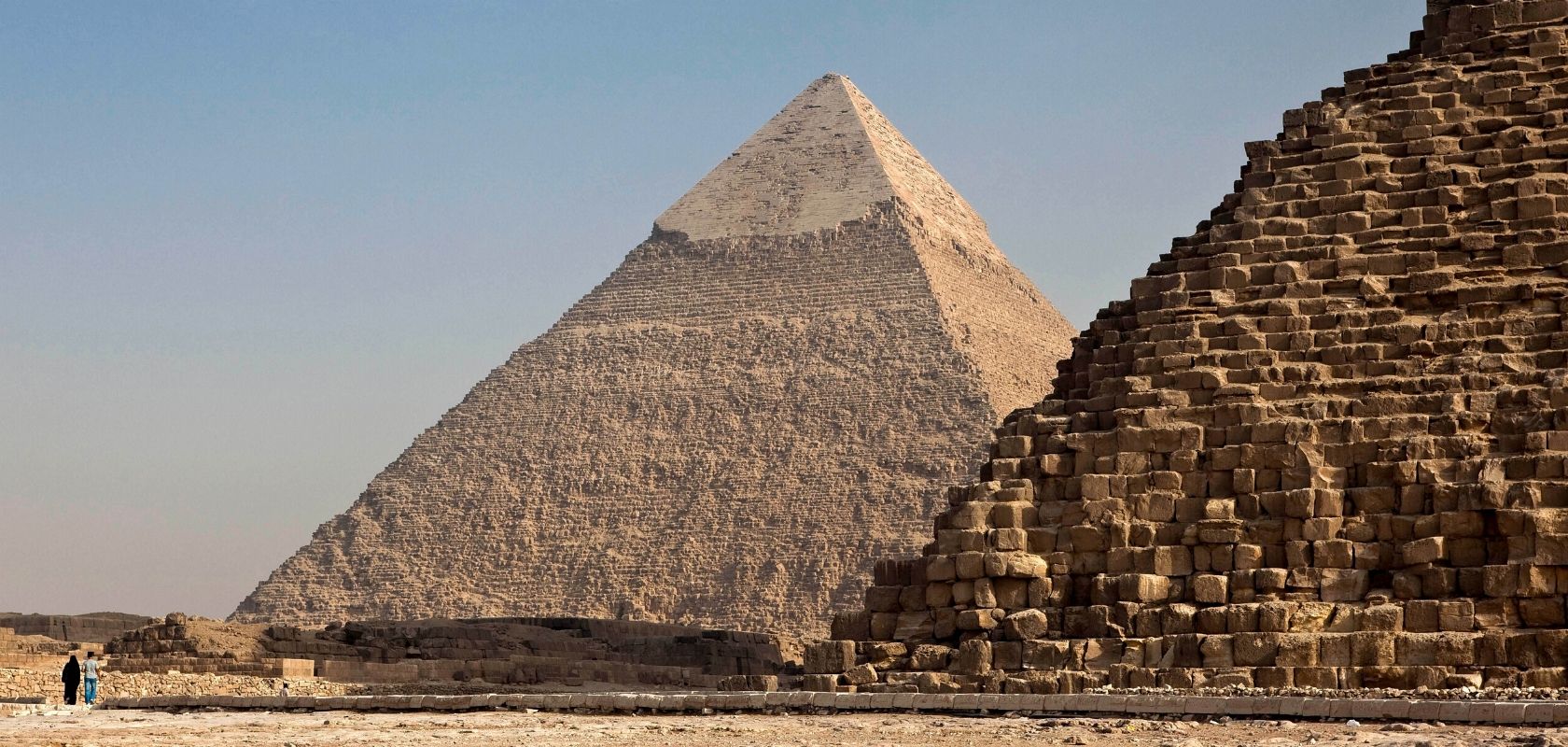
Instagrammer says he spent 5 days in jail after climbing pyramids in Giza, Egypt
The influencer shared the images with his 3 million followers.