The UK Lords spent March 9 dismantling what little legal cover existed for anonymous protest and privacy, and building new tools to suppress it entirely.
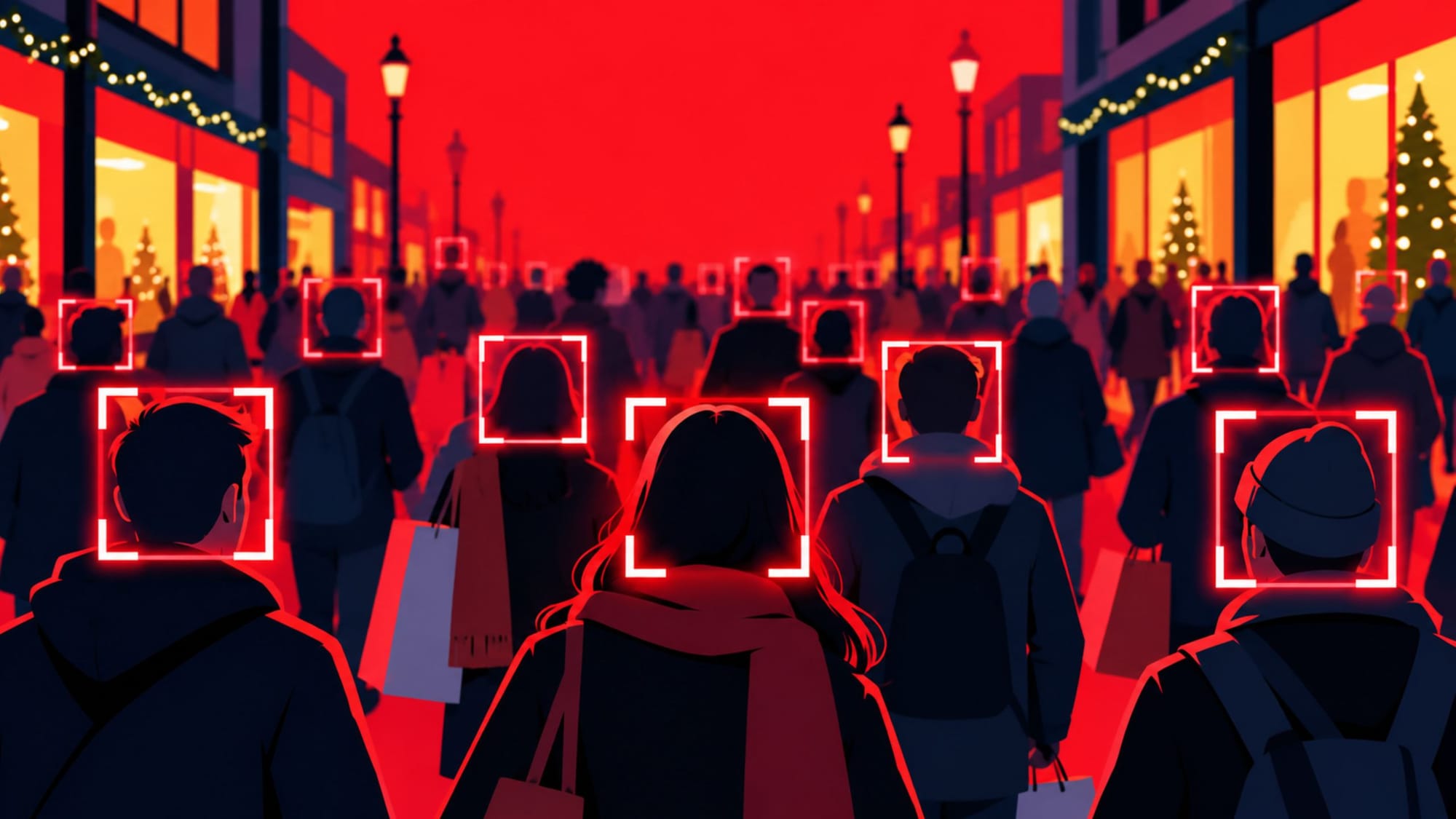
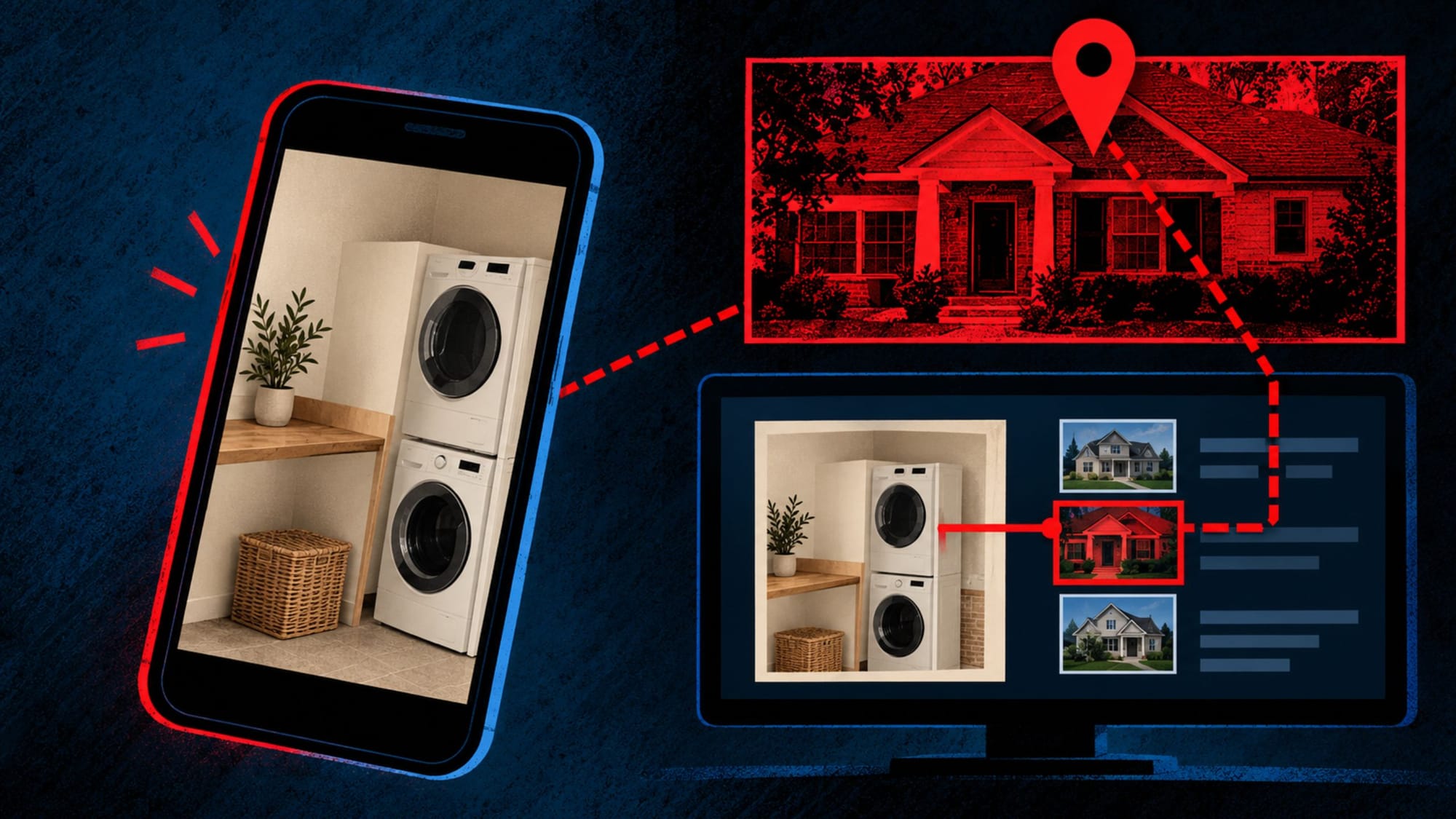
Start with what they refused to protect. Peers voted down an amendment that would have kept the DVLA database (the equivalent of the DMV in the US) out of live facial recognition searches.
That database isn’t a surveillance archive. It was built to verify driving licenses. It contains photographs linked to the confirmed real-world identities of most UK drivers, and the Lords just cleared the path for police to run it against faces captured in real time at public gatherings. A licensing bureaucracy would become an identification engine. The repurposing happened quietly, through a vote most people won’t read about.
The Lords also voted down a proposed “defence of reasonable excuse” for concealing identity at protests. The amendment would have shifted the burden of proof onto police officers to justify why a face covering made someone arrestable.
It failed 172 to 88. That means wearing a mask at a protest carries no legal defense, even if your reason is documented, principled, and directly tied to avoiding government surveillance.
Then, on the same day, peers approved new Home Secretary powers to designate organizations as “Extreme Criminal Protest Groups,” passing 200 to 162. The designation criminalizes membership, promotion, fundraising, and providing any form of support to a designated group. No court makes that call. The Home Secretary does.
Read the three votes together, and the shape becomes clear. The Lords rejected a right to shield your face from surveillance, rejected a legal defense for trying, and handed ministers a new tool to criminalize the groups most likely to show up at protests in the first place. Each vote was taken separately, but the combined effect is a surveillance and suppression framework that will outlast every minister who voted for it.