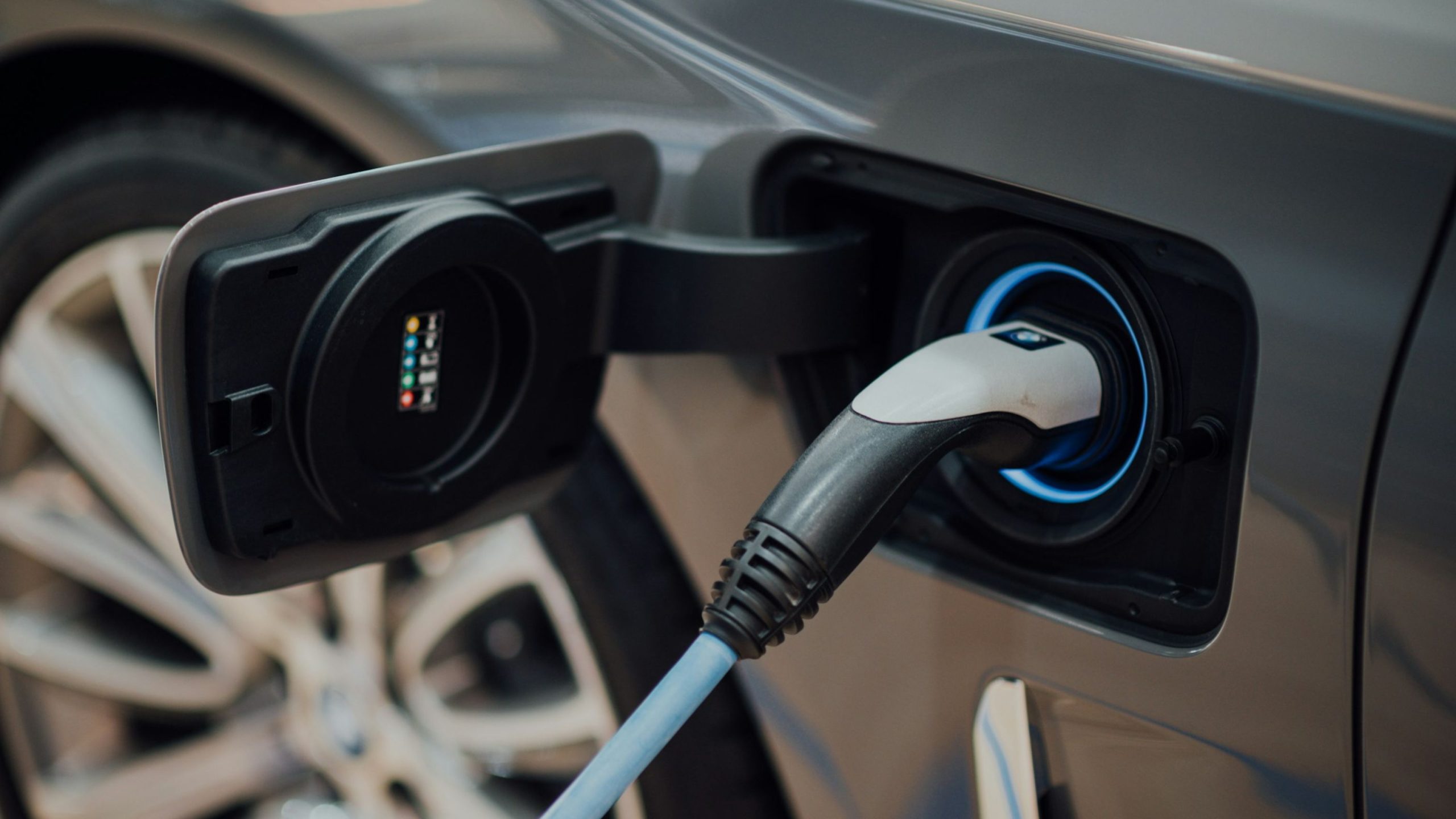
The UK government spent two years tracking 25 million mobile devices to build a picture of who drives electric cars. Not suspects or criminals. Just ordinary people whose browsing history mentioned EVs often enough to flag them as worth following.
The Department for Transport paid telecoms company O2 £600,000 ($809,000) to run the operation. According to the Telegraph, O2 trawled through its customers’ web browsing histories and app records, flagging anyone who visited an EV-related site at least once a month across two or more months.
That pool extended beyond O2’s own customers to include people on Tesco Mobile, GiffGaff, and Virgin Mobile, networks that run on O2’s infrastructure and whose users had no idea their data was being packaged and sold to a government agency.
Once flagged as a “potential EV owner,” your physical movements were traced across the country. London, the North-West, and the East of England received particular attention.
The techniques are standard in serious organized crime investigations. The DfT applied them to people buying environmentally friendly cars.
Andy Palmer, former executive at Nissan and Aston Martin, put it plainly: “I’m told it’s anonymized and aggregated, and that may well satisfy legal thresholds. But legality and legitimacy are not the same thing.” He added: “If you erode public trust in how that data is gathered, you undermine the very transition you are trying to accelerate.”
The idea of “anonymized” data means very little.
The surveillance ran for two years before the DfT quietly admitted defeat in April 2024, conceding that “mobile data cannot directly be used to provide information around charging behaviour or travel time.”
The program ended not because anyone questioned whether mass tracking of innocent people was appropriate, but because the data turned out to be useless for its stated purpose.
Civil servants from the DfT and Treasury were simultaneously exploring new EV taxes to replace fuel duty revenue. The people being surveilled were doing exactly what government policy encouraged them to do.
Conservative MP Sir David Davis drew the obvious conclusion: “It’s an object lesson in why you can’t trust the state with unfettered access to people’s information, because they’ve obviously taken this information without people’s permission with the objective of disadvantaging them, either by tax or other policy matters. If they’ll do it on this, with people who are doing what the government wants in policy terms, namely, pursuing green policies, what on Earth will they do elsewhere?”
The EV surveillance program wasn’t a one-off. During the earlier days of the COVID saga, the government ran a parallel operation, this time tracking people who showed up to get vaccinated.
Researchers funded through the Scientific Pandemic Influenza Group on Behaviors used mobile phone location data covering one in ten British people, without their knowledge or consent, to analyze behavioral changes after vaccination.
From that pool, they selected over 4,200 vaccinated individuals and tracked their movements through call data records, analyzing how far they traveled on vaccination day and whether they went straight home afterward.
The government was monitoring where citizens went after receiving a government-administered medical intervention, and chose not to tell anyone.