So here we are again, trying to fix society with a big red button marked BAN IT, which, naturally, does absolutely nothing except make politicians feel as if they’ve done something useful.
This time, the target is children using social media, because if there’s one thing that unites the British political class, it’s the belief that they, and only they, can raise your children better than you can.
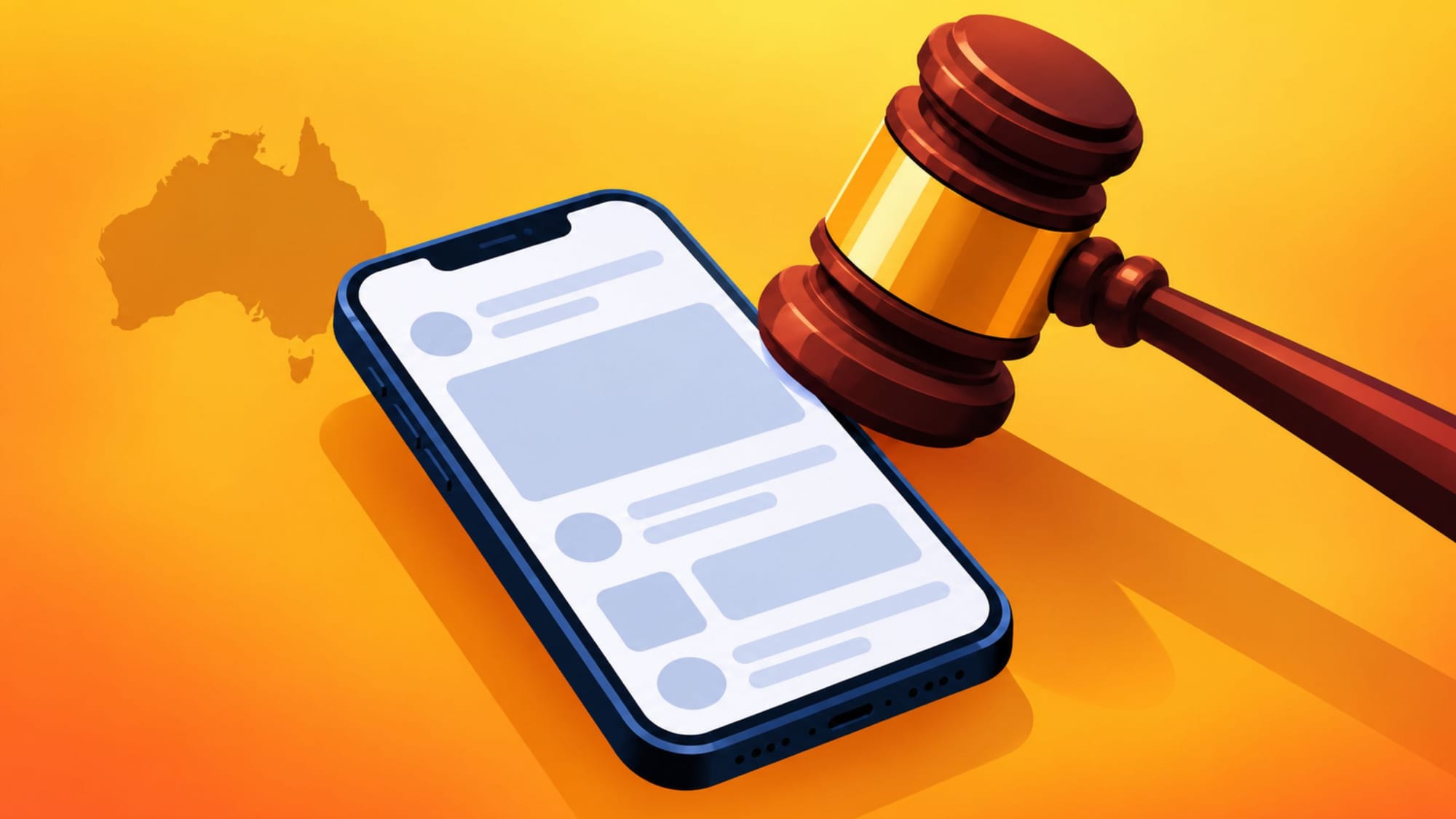
The House of Lords, a place where hereditary titles and vague indignation go to drink tea, has decided to throw its collective wig behind an Australian-style ban on under-16s using social media.
And before you ask, yes, Australia, the same country that once tried to censor the entire internet with a blacklist that would have made a North Korean censor blush.
Actor Hugh Grant — yes, the same floppy-haired romantic from your mother’s favorite movie — has been trotted out in support, because nothing says “complex digital policy” quite like a man whose greatest brush with technology was probably a Nokia 3210.
Supporters of the ban are throwing around language like “catastrophic harm” and “overwhelming evidence” as though Instagram were made of asbestos and TikTok came with a pack of cigarettes.
Lord Nash, former schools minister and current oracle of doom, says the vote “begins the process of stopping the catastrophic harm that social media is inflicting on a generation.”
Apparently, everyone from “medical professionals” to “intelligence officers” is in agreement. Of course, those two groups have never been wrong before.
Parents, we’re told, are in an “impossible position,” expected to outwit attention-hacking Silicon Valley engineers using nothing more than household Wi-Fi passwords and the vague threat of “consequences.”
It’s true, many parents are overwhelmed, but is the answer to hand the steering wheel to the government and give them a shortcut to the dystopian world they seem intent on delivering?
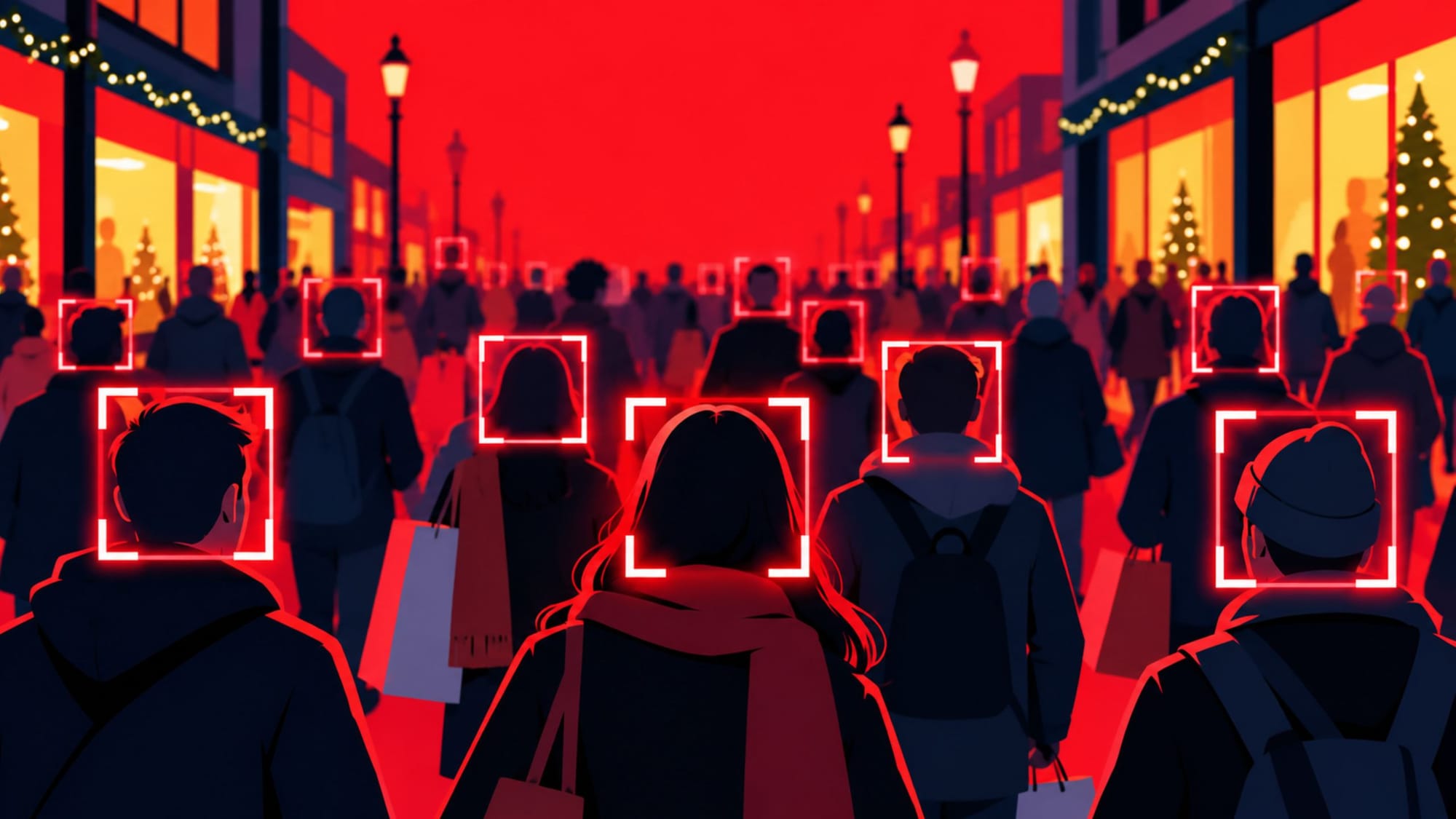
Here’s the catch. Australia’s ban is about more than kicking 14-year-olds off Snapchat. It comes with digital ID checks that would make the Stasi do a double-take.
Users of all ages now have to prove who they are just to watch cat videos or argue with strangers on Reddit. What better way to teach kids about internet safety than by normalizing mass identification and the elimination of anonymity?
And this, of course, is the real story, not just a nanny-state effort to save the children, but a quietly expanding system of mandatory identity verification.
A ban on 13-year-olds posting TikToks becomes a system where everyone has to show ID to tweet about potholes or join a Facebook group about recycling.
This is where it gets properly dangerous. Because the moment your online speech is tethered to a verified identity, the freedom to speak without fear starts to dissolve.
And in a country like the UK, where people have been arrested (arrested!) for saying things that offend on social media, it’s not paranoia to wonder what this system might be used for next.
You don’t need to be Julian Assange to understand that linking your identity to every comment, like, or angry emoji is a terrible idea. People say foolish things online. They rant, they joke, they vent. It’s part of the human condition. But if every post is tied to a government-approved digital ID, who’s going to risk saying something controversial?
And let’s not kid ourselves. Once this ID system exists, it won’t stop at the kids. Governments, advertisers, law enforcement, and data brokers will all want a taste.
If the UK implements a similar scheme, it could mean handing over your passport number just to watch someone play Minecraft.
Even the tech giants, those digital Bond villains with privacy policies longer than the Old Testament, are a bit uneasy.
American platforms, governed by the First Amendment, may push back. Which raises the delicious prospect of the UK trying to enforce these laws by threatening Mark Zuckerberg with a sternly worded email.
Behind all the child-safety sloganeering lies something else: a growing state appetite for control.
The idea that you should need permission, proof of age, proof of identity, just to access a website is the stuff of dystopian fiction, only now it’s dressed up in concern for “wellbeing.”