Washington wants a warning sticker on the tools that millions of Americans now use to make art, video, and writing, plus a federal agency standing by to punish anyone who leaves it off.
Senator Brian Schatz reintroduced the AI Labeling Act on June 25, handing the Federal Trade Commission power to treat an unlabeled AI image as an unfair or deceptive act. John Curtis of Utah and Mark Warner of Virginia signed on as co-sponsors.
We obtained a copy of the bill for you here.
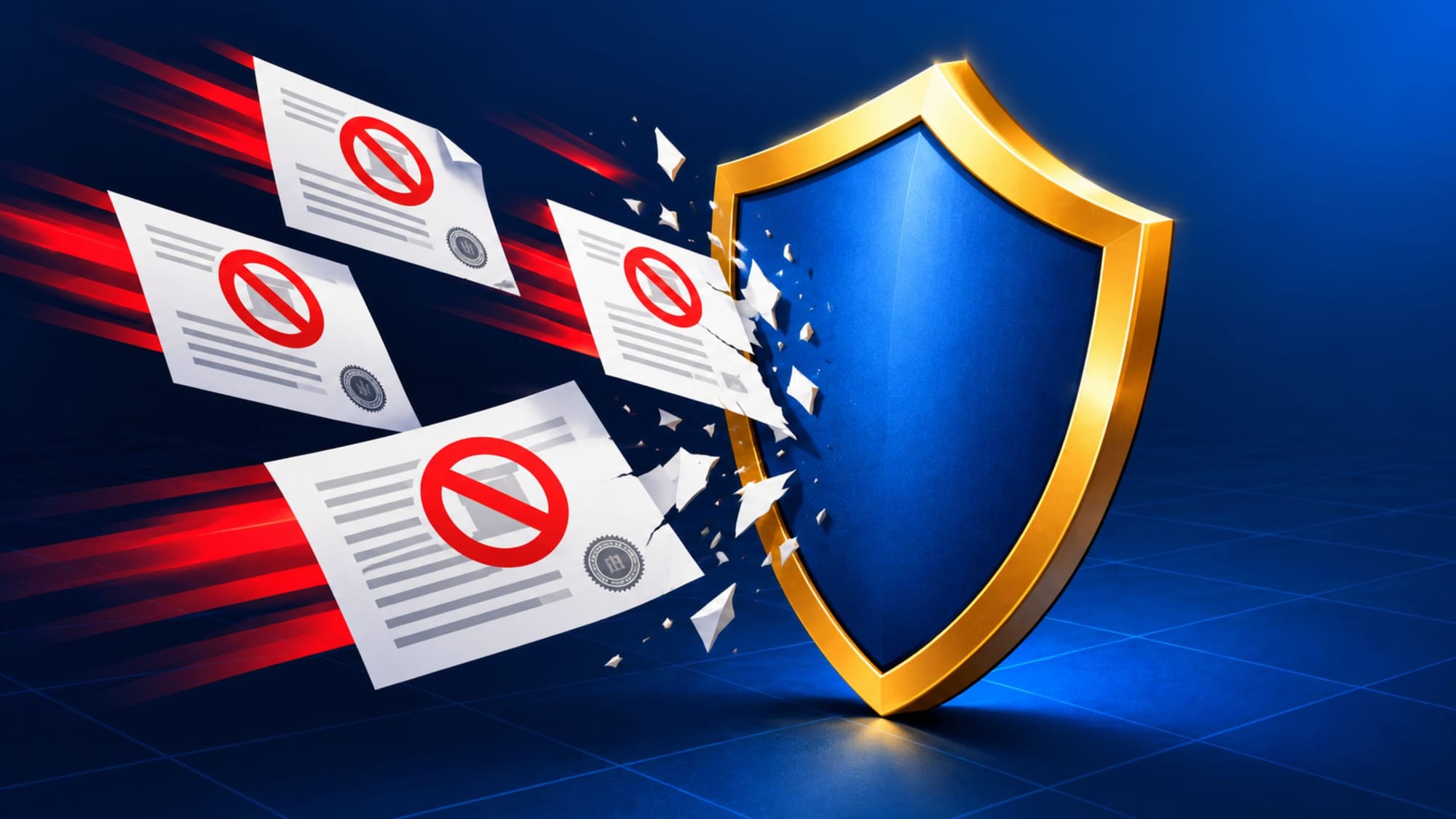
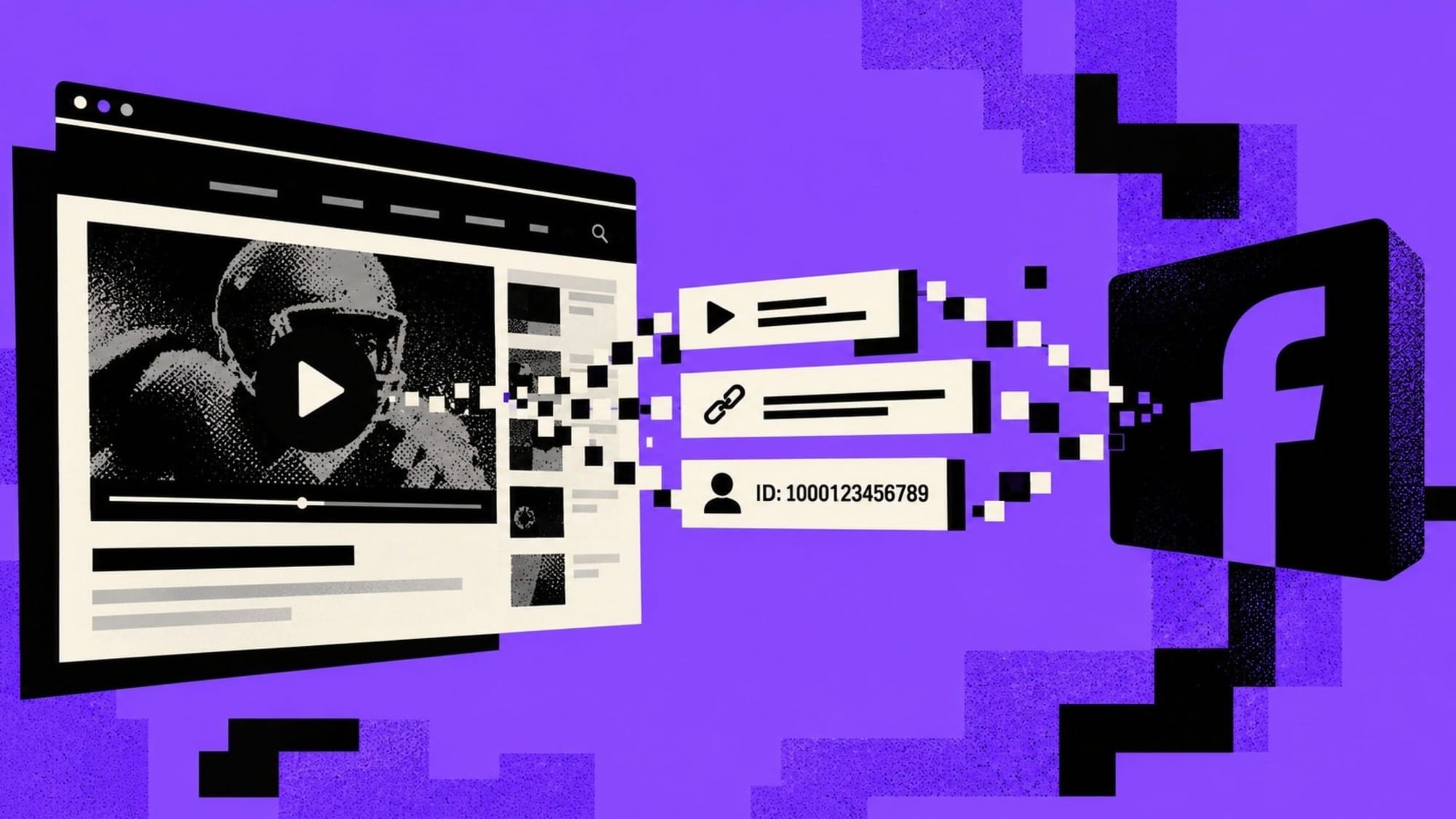
The reach goes well past what the word “label” suggests. Any company whose generative AI produces covered content would have to stamp that output twice. The first mark is a visible disclosure a person can read, the second a hidden machine-readable record of the system, its version, and the moment of creation. Large platforms would then have to carry that data forward, flag the content for users, and mark every chatbot as artificial. Skip a step and the FTC can come calling.
“Covered AI-generated content” carries the weight of the whole bill and the definition stretches. It captures anything a generative system creates or substantially modifies so that the meaning shifts and a reasonable person would not assume a machine had a hand in it. A working group convened by the National Institute of Standards and Technology would spend a year deciding what that means in code, which detection tools count, and what else the hidden markers must store.
The government here writes the definition, designs the label, and picks the enforcer. That is the shape of compelled speech, and courts have grown wary of it. The ACLU has argued that forcing a disclaimer onto lawful synthetic media is no different from ordering a comedian to announce a parody before the joke lands. FIRE names the constitutional defect directly, warning that label mandates turn speakers into “government mouthpieces for views they may not hold.”
The courts have already run this experiment. A federal judge blocked California’s election-deepfake statute in Kohls v. Bonta, ruling that its restrictions and disclosure demands on AI political content violated the First Amendment. Satire, parody, and criticism of officials keep their protection when the tool that made them is new.
Enforcement is where the bill grows teeth. A separate section bars anyone from stripping, faking, or trafficking in tools that defeat the disclosures, and it opens the courthouse to the US Attorney General, state attorneys general, and private companies alike. Statutory damages climb to $2,500 for every act of circumvention, or $25,000 per violation, tripled for repeat conduct inside three years. The text promises no prior restraint on protected speech, though the machinery bolted around it points the other way.
Only the largest platforms sit inside the net, those with at least 10 million monthly US users or $1.5 billion in revenue. That hands the compliance job to the same few companies that already decide what most people see online. The FTC would also gain authority to write rules and bless “safe harbors,” a standing invitation to widen the mandate later.
The backers are open about what they want. “People deserve to know whether the videos, photos, and content they see and read online are real or not,” Schatz said, calling his bill simple. Curtis pitched “clear, commonsense transparency standards,” and Warner said it was “time for the U.S. to catch up.” The Authors Guild, SAG-AFTRA, the National Association of Voice Actors, and Public Citizen lined up behind it, each with a stake in marking machine work as machine work.
Good intentions do not settle the constitutional question. A rule that compels a speaker to attach the government’s chosen message to lawful expression starts on the wrong side of the First Amendment, whatever that message happens to be. The scams and fakes the bill points at are already illegal as fraud, forgery, and defamation, reachable without a permanent order that every AI creator wear a federal tag.