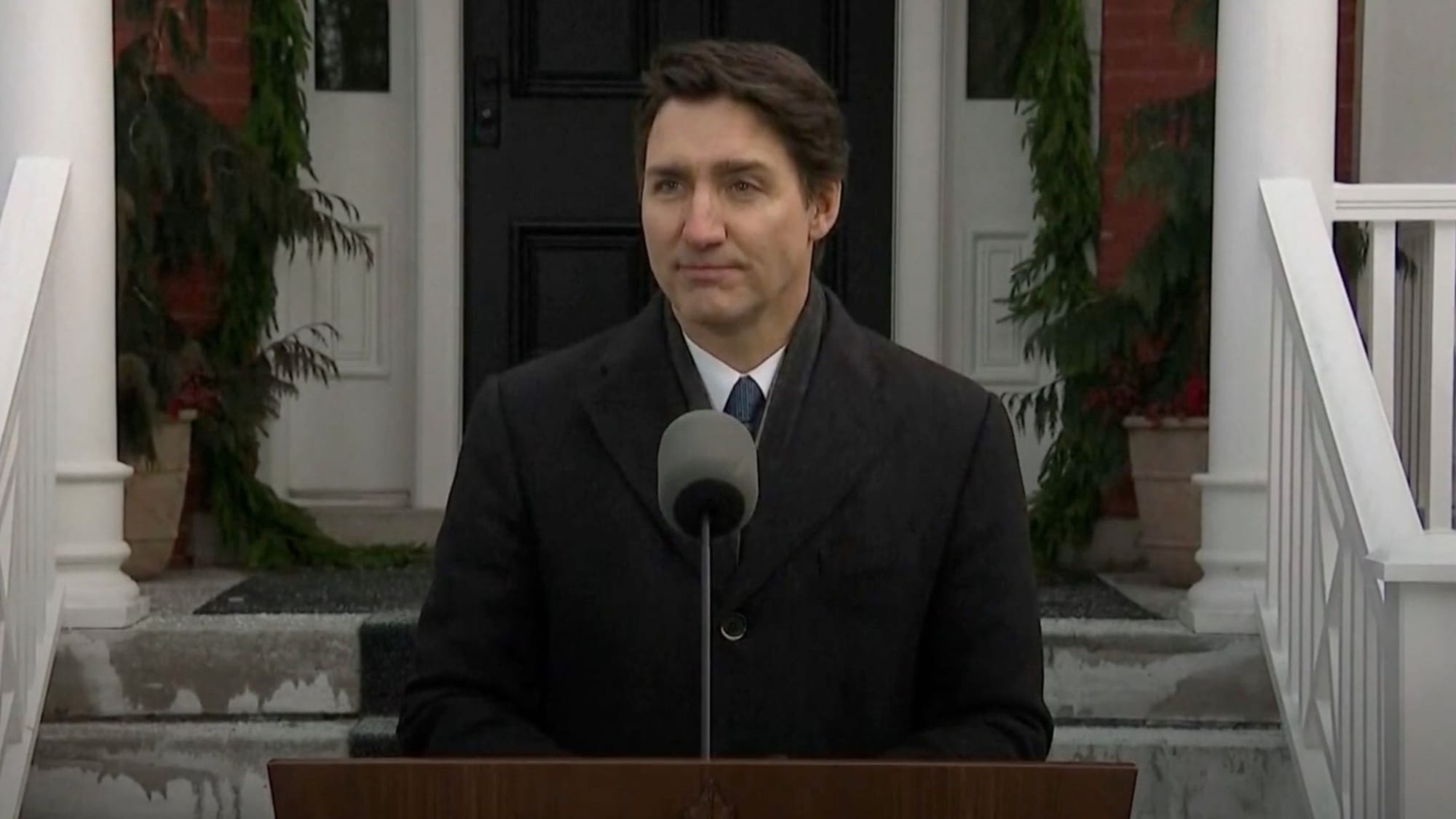
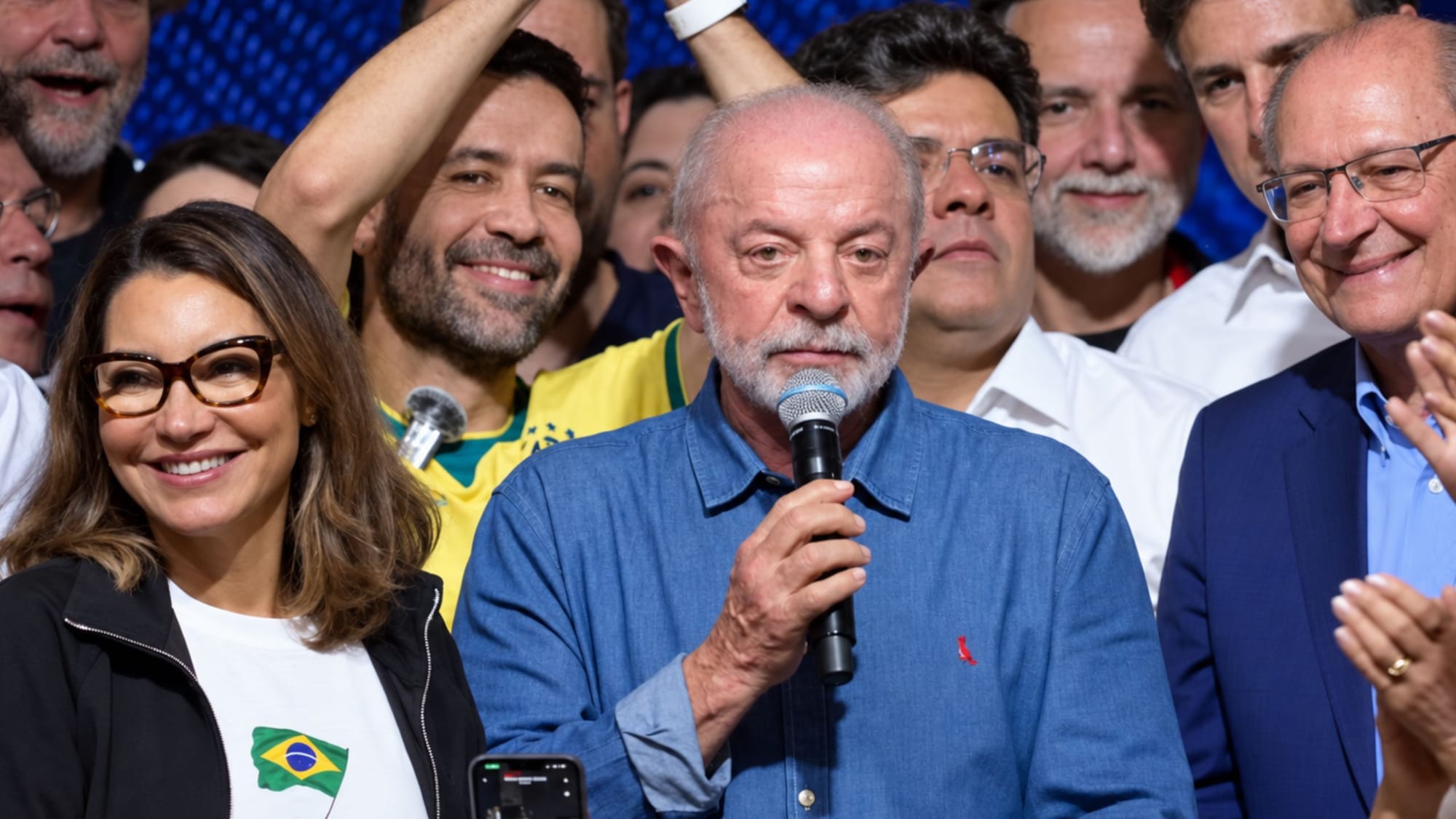
Brazil’s President Luiz Inácio Lula da Silva has been declared the winner of the runoff election, and in his victory speech on October 25 promised to “regulate” the tech giants, and make sure that “crime on the digital network should be treated as a crime in real life.”
Lula’s speech was full of hints at what his promised regulation would look like – and his own government has been very active over the past year building the framework for that. In recent times, it has been pushes for age verification ID checks, curbs on VPNs, and speech rules.
In his victory speech, Lula also addressed the way he intends to communicate with the public going forward, and the role of the media.
“I’m not going to keep allowing myself to be interpreted by journalists acting in bad faith,” he said, adding, “From now on, I’m going to talk a lot with the Brazilian people, many times a day, directly.”
Lula also spoke about AI, saying, “I don’t want to be dependent on Chinese or American artificial intelligence” and that “these people are going to have to leave part of the data center for Brazilian information.”
“We will have to regulate them. It is not possible that we are not aware that crime on the digital network should be treated as a crime in real life. You can’t have monstrously large companies that don’t pay taxes, make billions, and try to direct the election outcome. This election was a defeat for denialism, it was a defeat for lies,” Lula said.
Lula’s campaign had accused Meta of restricting its content on Facebook and Instagram, and reported this to the country’s Electoral Court. The claim was that the ad account was suspended on Facebook on September 23, and that Instagram boosts were blocked for nearly 24 hours on October 9-10. The campaign estimated that around 1.3 million people were not able to see its ads as a result.
Meta, however, said that the ad account was only “mistakenly deactivated for just over an hour” and that the rest were “technical incidents.”
The Electoral Court found that the campaign’s own report “records that there is not sufficient evidence of deliberate partisan privilege by the platform.”
The court did, however, order that the two campaigns be treated equally. Meta’s Oversight Board, meanwhile, said that the company overenforced its own rules against Lula’s ad accounts, and that this was a failure that “should have been escalated.”
According to Meta, the overenforcement was an automated review process that flags potential fraud, and this was triggered in error when Lula’s campaign tried to run an ad on Facebook.
This anti-fraud review was part of an agreement signed with the Attorney General’s Office (AGU) on April 13, 2026, and was meant to combat scams involving federal programs. Meta said that this agreement “recognized that stricter detection mechanisms could unintentionally affect legitimate advertising activity.”
The giant added that “about 70% of the measures taken by Meta involving all of Lula’s accounts on our platforms registered with the Electoral Court” came from court orders. Meta also warned that Brazil’s rules “increase the risk of overenforcement and threaten freedom of expression” – and that these rules have been getting stricter since 2025, when they were widened to make platforms more liable for third-party content and ads.
Meta also said that it has been warning about this for a long time.
Meanwhile, the Digital ECA (law 15.211/2025) took effect on March 17, and among other things, requires every major platform to check the age of users, bans the “I am over 18” box, and allows for the use of ID, face scans, and behavioral analysis to verify age. Article 37 of the law says that its rules do not allow for “massive, generic, or indiscriminate surveillance.”
In August, Lula signed PL 3066/2025, which makes using tools that mask an IP address an aggravating factor. VPNs are included in the list, and Brazil’s Internet Steering Committee (CGI.br) had asked Lula to veto the bill, warning that it could “open a regulatory precedent for casting suspicion on whoever uses privacy tools.”
The same month, First Lady Janja da Silva said, “We need to take Discord off the air immediately. We need to block Discord in Brazil by any means.”
Shortly after that, the data protection authority ANPD ordered Discord to switch off screen sharing and camera video in Brazil, and in late August, the government sued the company, demanding that it implement age verification that goes beyond self-declaration.
In June, Brazil joined a US lawsuit on the side of Justice Alexandre de Moraes, who ordered Rumble to delete the accounts of critics. Rumble is arguing that the justice has exceeded his authority, and Brazil calls that argument “risible.”
Given all this, when Lula says he wants to “regulate them” – it means more of the same.
The “outside-in intrusion” that Lula complained about during his campaign is simply a case of his government’s policies affecting him, and he felt it for about an hour, when his ad account was suspended. His answer to this is to build more of the same for everybody else.