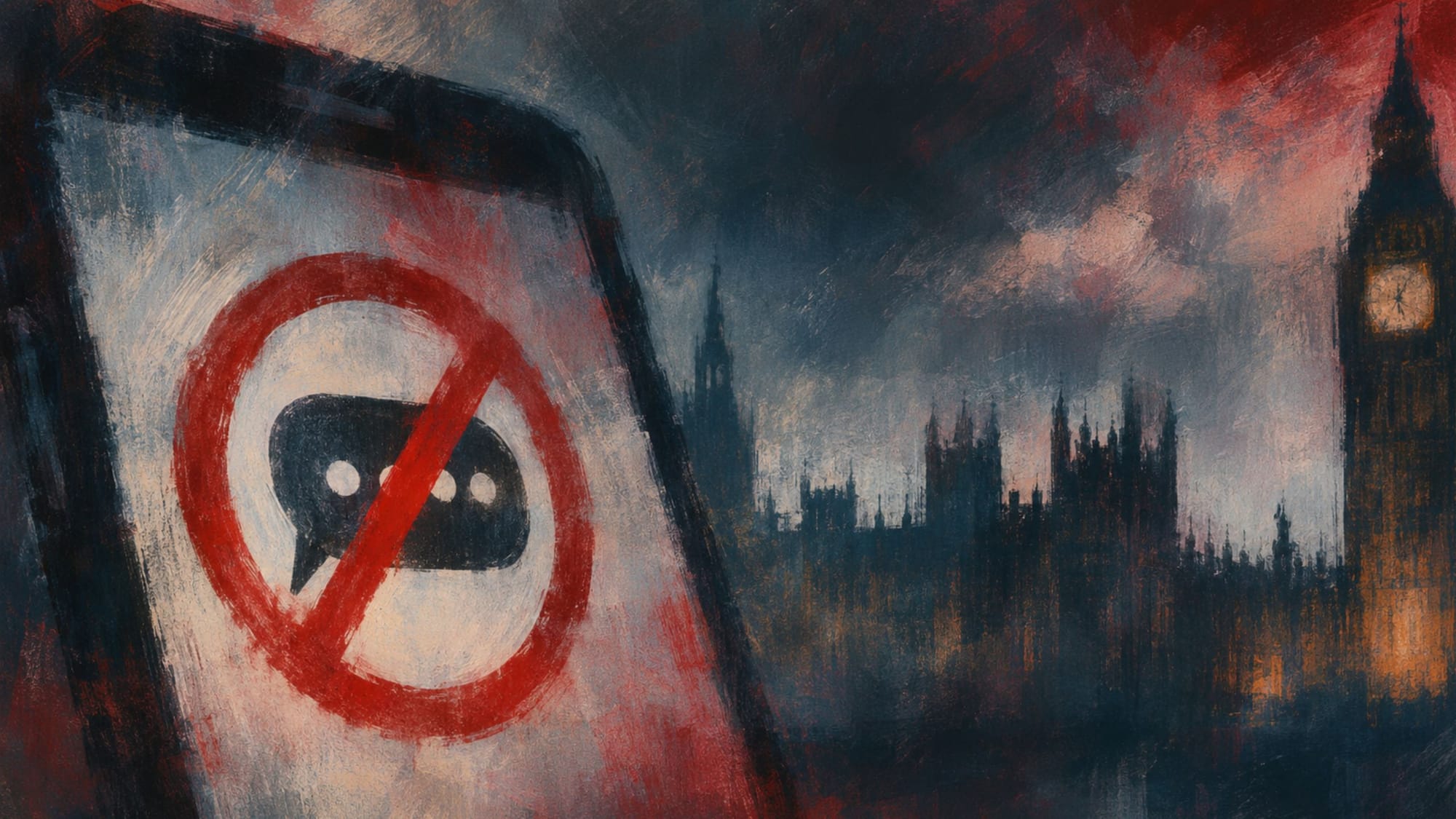
The Online Safety Act – the UK’s censorship law – is getting its “crisis” machinery in place, and in full. As of Monday, November 2, big platforms in the country are expected to have in place a censorship plan that will be waiting in the wings, ready to be launched at a moment’s notice, or even before that – if a crisis is merely “likely to occur.”
This is what the regulator’s own paperwork, released on October 12, reveals, with the rules coming into force three weeks later. The crisis rules are part of amendments to two Ofcom codes – the Illegal Content Codes and the Protection of Children Code.
A crisis is defined as “an extraordinary situation in which there is a serious threat to public safety in the United Kingdom” that is highly likely to cause, or have come from, a surge in certain content. Ofcom also said that “local or regional crises may still meet the definition” and “an overseas event may also meet the definition.”
What is covered is content related to terrorism, hate, harassment, stalking, threats and abuse, and what is referred to as “the foreign interference offence” – which is a reference to the National Security Act, and a “misrepresentation” that “may” include “presenting information in a way which amounts to a misrepresentation, even if some or all of the information is true.”
As for the effect of such “misrepresentation,” the Act says it can influence political processes or decisions, and a foreign power can be not only a state, but also its head or government.
The posts that are at risk of being taken down are described by Ofcom as “the most highly protected forms of expression,” including “political speech.”
When a crisis hits – or is about to – these will be the first to go. “A higher risk of false positives is likely to be proportionate,” Ofcom says.
To be able to do all this, platforms must now have in place a crisis protocol, which they “need not publish” – and watch their own warning indicators.
Then, they should send in a senior crisis team “as soon as reasonably practicable if the provider determines that a crisis is occurring or is likely to occur.” Reviewing the situation afterwards should also be done in secret.
Large services will also open “a dedicated channel for law enforcement to contact the provider on matters related to the crisis.” No court order is necessary for this police hotline to be activated.
All this applies to large services (those with over 7 million monthly UK users) that are considered to be at medium risk, and any service that is at high risk. The rules cover user-to-user content on social media, messaging apps, forums, dating apps, games, marketplaces, and some AI tools.
The government has said that these steps “are not mandatory in themselves” – but a platform that follows them “will be treated as having complied” with the law. In other words, anyone who decides to go another way will have to prove to Ofcom that their method is equally effective.
It’s optional – in the British sense of the word.
And don’t worry, Ofcom has more reassurances: “The measures do not enable Ofcom to declare a crisis, nor do they introduce emergency powers.” But the Secretary of State can direct Ofcom to send a public statement notice to platforms, and they should take this into account when deciding whether a crisis is indeed taking place.
Ofcom has been working on the crisis protocol for a while, finalizing it on June 9 – the same day riots spread through Belfast after a stabbing on the Shankill Road. We reported about it then.
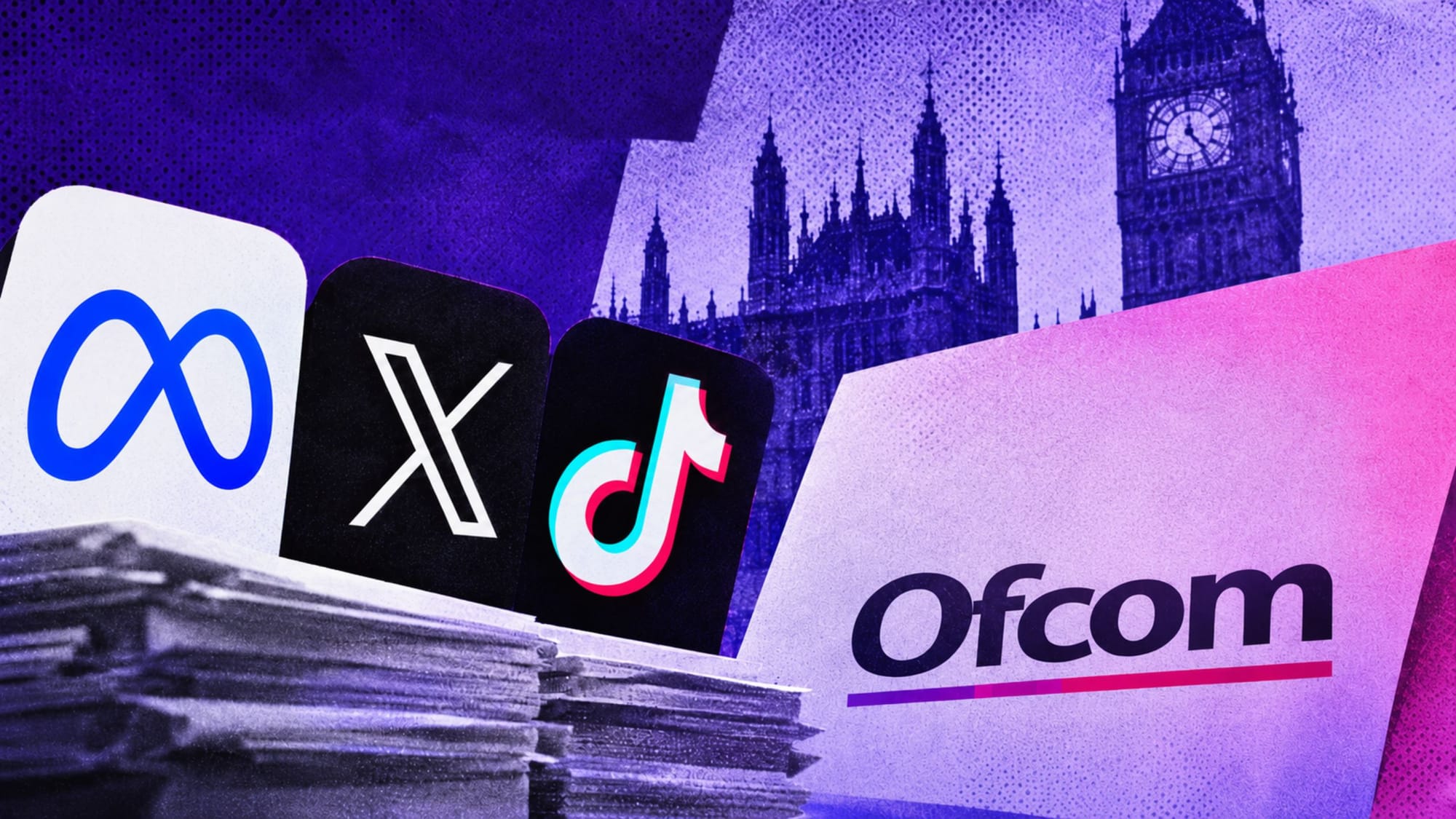
On October 30, the High Court let Ofcom demand data from Meta, WhatsApp, X and TikTok without even naming a specific purpose.
The regulator justifies its rules by citing the riots in Southport in 2024, when, it says, “online content fueled nationwide unrest.”
In that case, a woman was mentioned as having been convicted of a false communications offense. The Free Speech Union said that was not true, and Ofcom was forced to correct this: “she was later released without charge. We apologise for this inaccurate reference.”
But the apology was just a formality – because Ofcom decided to stick to its position despite the error.
Critics at the time said that the plan would result in “the suppression of important information, journalism, and civic reporting.” Ofcom’s response was to say that crises are rare – so “the interference is likely to arise only rarely.”
Britain has built a speech kill switch, and called it “safety.”
It will be used at the very moments when people most need to communicate, argue, share their videos – because these are the moments of crisis, when information, and different opinions, and takes on the same event are most needed.