
Who needs a national digital ID in the UK, anyway? You can always use the EU’s.
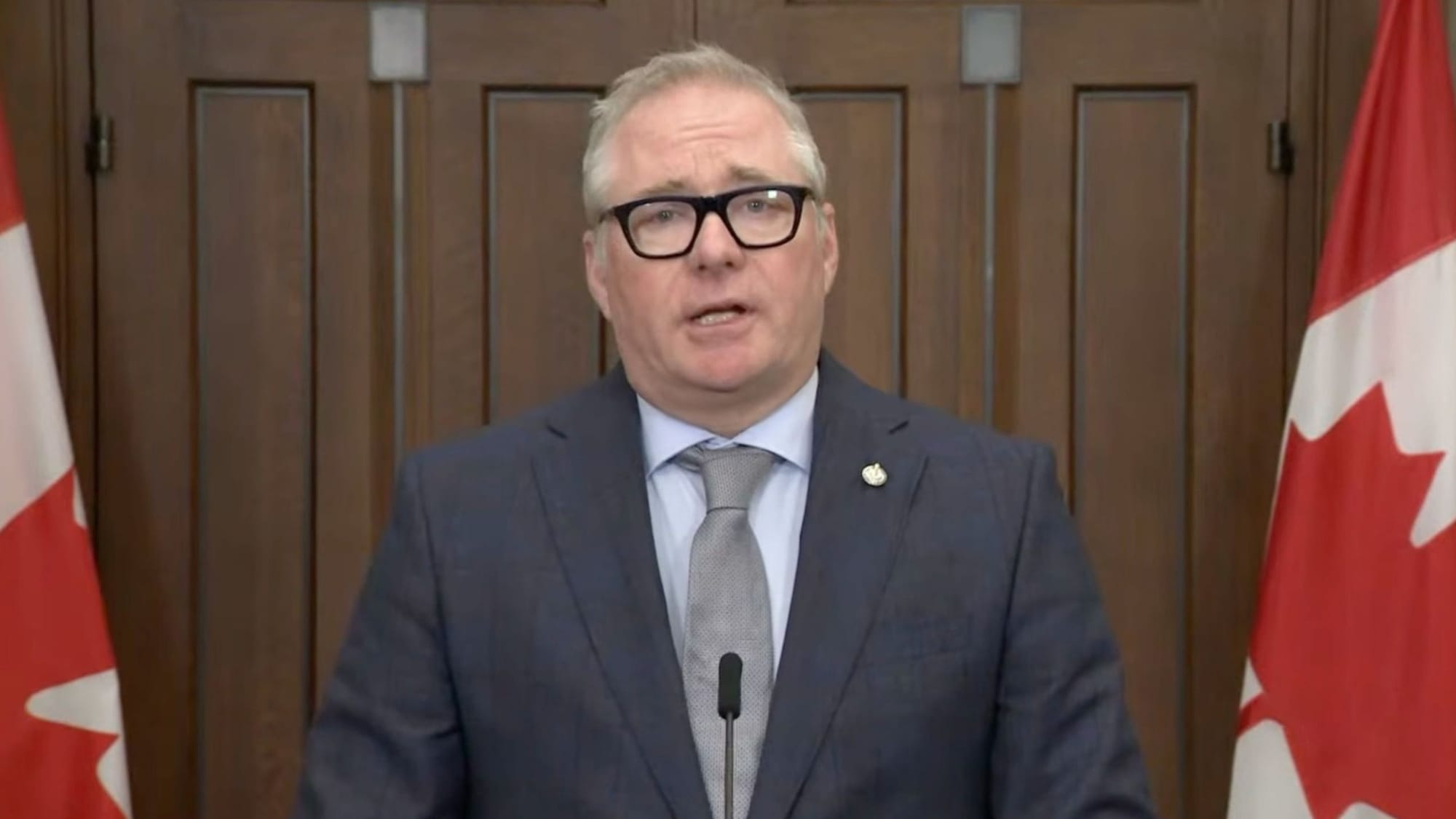
UK’s new Prime Minister Andy Burnham just four months earlier “scrapped” (but not really) his government’s digital ID plans, but on November 20, his government signed a joint statement with the EU, announcing that the two will launch “an EU-UK Digital Partnership early next year.”
And what the partnership might cover, according to the statement, is “digital wallets and credentials, trust services, online safety.”
The “digital wallets and credentials” is a reference to the EU’s European Digital Identity Wallet – a scheme that, despite its name, is not just about money. In fact, it’s about a digital version of an ID card – that also contains credentials, proof of age, electronic signatures, and login details.
Under EU law, each of the bloc’s 27 members must make sure that by the end of 2026, at least one European Digital Identity Wallet is available to citizens. The same law also states that “The use of European Digital Identity Wallets shall be voluntary.”
But there’s a caveat: big platforms that require a login “should be required to accept the use of European Digital Identity Wallets upon the voluntary request of the user.” And when strong user authentication is needed, banks, health, education, and telecoms “should” also accept the EU’s digital wallet.
In the UK, the government is framing the planned partnership with the EU in terms of AI, quantum technology, and “digital infrastructure” – and also “online safety.” The latter is a euphemism the British authorities use for what amounts to policing speech on the internet, and it’s something that the EU is also on board with.
The UK’s version of the announcement of the future partnership is contained in a document that spells out the country’s goals from the summit with the EU. And it says that the partnership will “provide a framework for closer practical cooperation on AI, critical technologies such as quantum, digital infrastructure, digital credentials, and online safety.”
The same document further explains that “We will set out further detail in due course about the Partnership, which we aim to conclude early next year.”
The joint statement goes into a bit more detail, saying that the goal of the partnership is “to deepen practical cooperation and to bring actions under a common structure.”
In addition to digital credentials, AI, and online safety, the partnership will also cover “secure and resilient connectivity,” as well as “multilateral cooperation.”
And “trust services” – that’s another area where the two sides plan to work together. According to the European Commission, this refers to electronic signatures, seals, and website certificates.
But the UK government is assuring citizens that it will enter the partnership “while safeguarding our regulatory autonomy.” And at this point, nothing in the joint statement with the EU, or any other document that’s been made public, says that the EU’s ID wallet will be imposed on anyone in the UK.
In fact, the UK government has been saying that the digital ID scheme it scrapped in July was done in order to “fund” a tax cut – that was the message that the new PM wanted to send to his voters. But what has actually happened is that the money was moved around, not the policy.
The Cabinet Office annual report now says that “The Digital ID programme has now been closed and Digital ID policy moved to the Department for Digital, Culture, Media and Sport in July 2026.”
So the program was closed, but the policy was simply moved to another department. And the latest budget (published on October 28) still mentions “cancelling the Digital ID scheme” among the “savings.”
In September 2025, Burnham was asked about the then Labour leader Keir Starmer’s plan to bring in ID cards – and replied, “Not now.”
It’s also worth noting that the new PM was previously in favor of introducing ID cards in the UK – when he was in charge of the Home Office in 2005 and 2006. But he became PM without a general election in July, and it turns out that “not now” meant not his own, but the EU’s.
Reclaim The Net has been following the digital ID developments in the UK and the EU closely. On July 20, we covered Burnham’s "scrapping" of the scheme, and his internet plans in general – but noted that the scrapping was simply a matter of money being moved around, and not a change of heart regarding the policy.
On November 16, we covered the EU’s Digital Identity Wallet, and how its privacy features are still not fully developed.
The EU’s digital ID push is not without controversy, either – privacy-wise, that is. In 2024, a group of cryptographers looked at the design of the European Digital Identity Wallet and found that “some of the currently suggested design aspects of the EUDI and its credential mechanism fall short of the privacy requirements.”
They also said that “we believe that a larger redesign is in order” – and recommended the use of “anonymous credentials.”
The EU’s digital ID framework is far from perfect, but it at least has a clear policy of not making it mandatory – yet. However, as things stand, Britons are not EU citizens and are not subject to EU law. So why would their government sign up to this?
It’s not binding yet – which is exactly when to object.