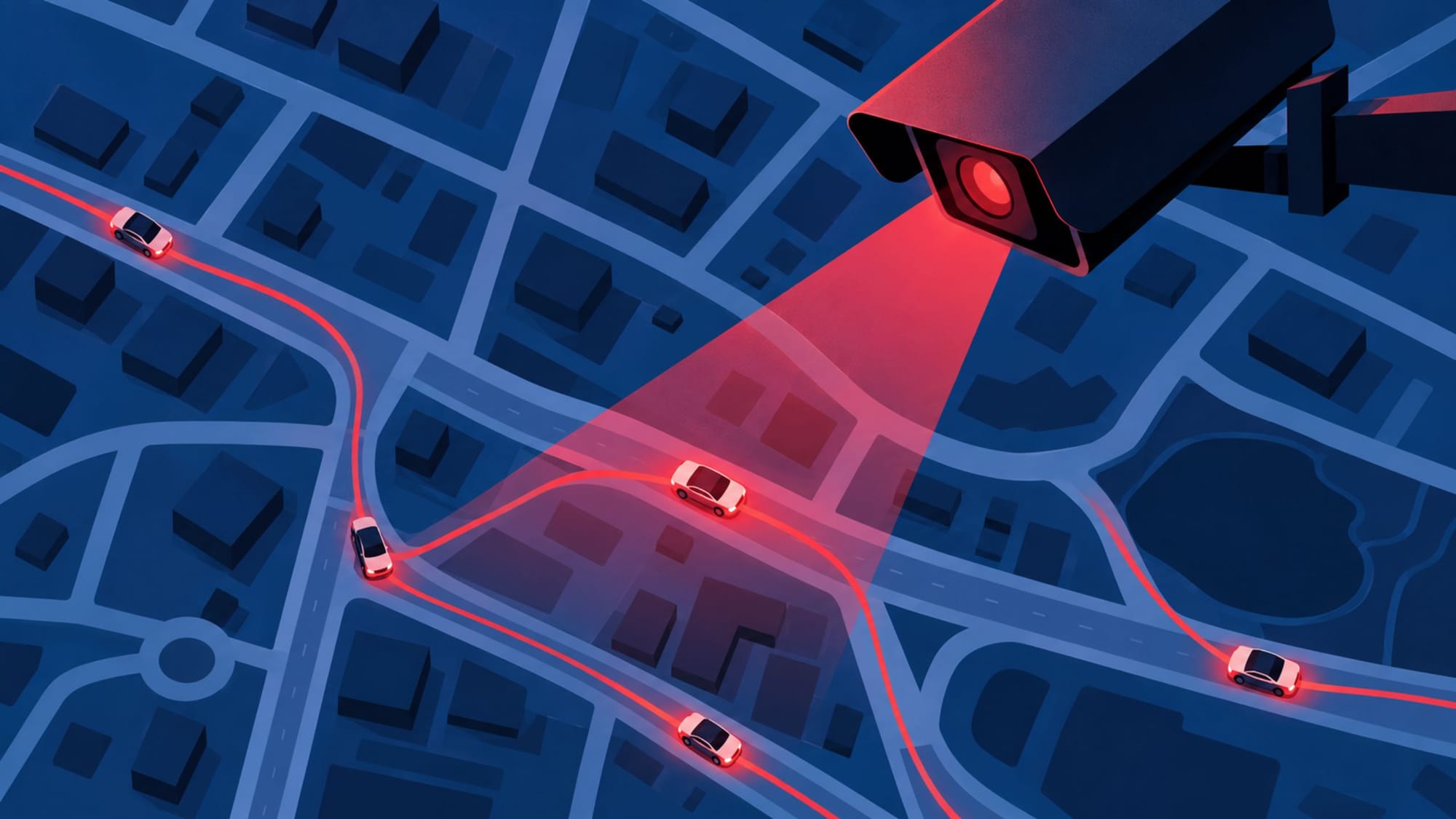
The SPD of Germany wants to end anonymous social media access in Germany.
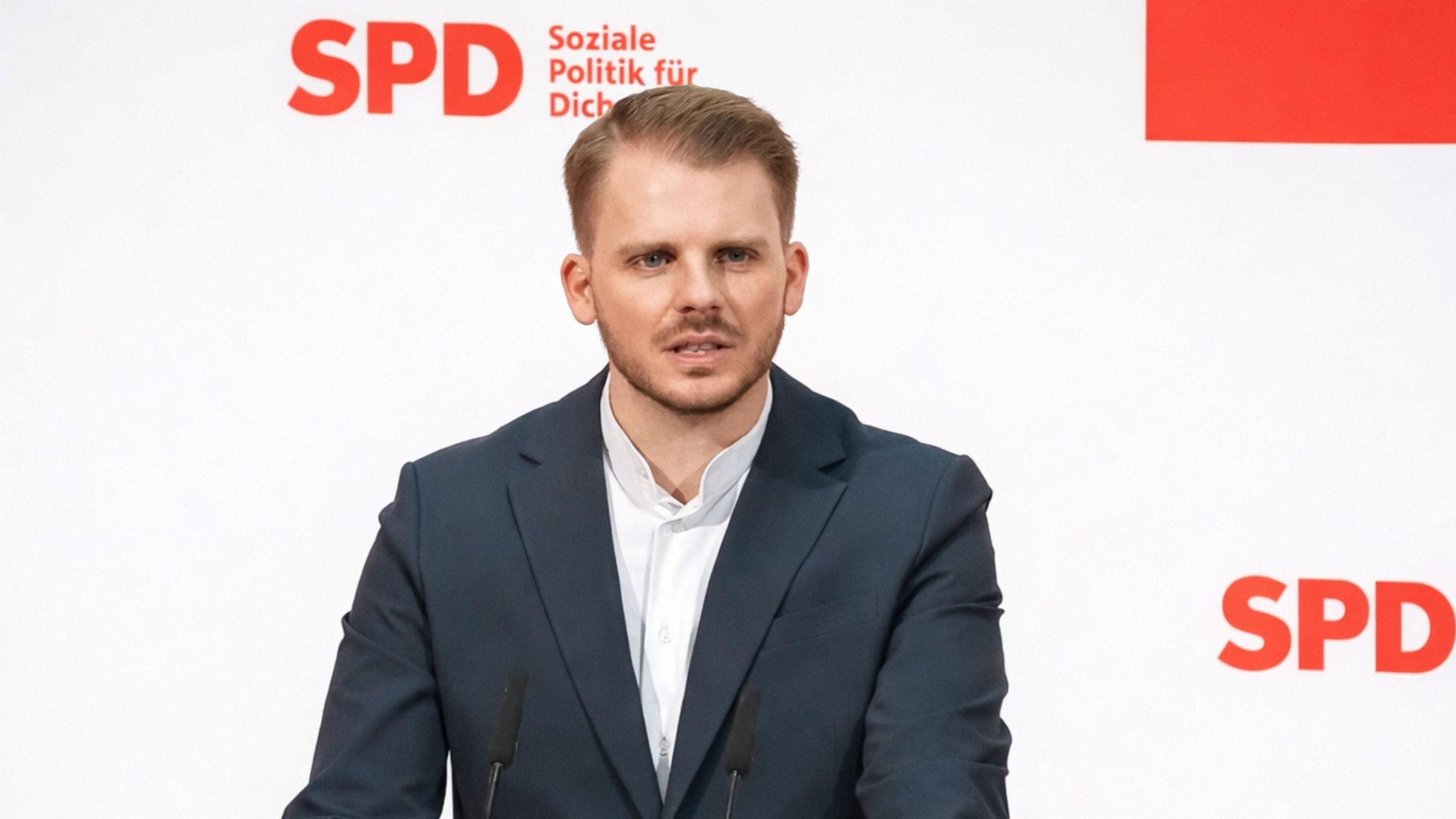
Tim Klüssendorf, Secretary General of the Social Democratic Party, confirmed this week that his party is pushing mandatory age verification for all social media platforms, tied directly to the EU Digital Identity Wallet, the bloc’s official government ID scheme.
He’s already in talks with coalition partner CDU, Chancellor Friedrich Merz’s party, which called for an end to online anonymity just last week. Both parties now want the same thing.
Naturally, Klüssendorf framed the proposal as child protection. “We are currently not meeting the state’s obligation to protect. I believe children and young people are particularly at risk there. That has been proven,” he said after an SPD leadership meeting in Berlin.
The platforms, he added, are currently “operating a business model that is simply not compatible with our democratic principles.”
The SPD’s formal position, adopted in an internal policy paper, breaks access into three tiers by age. Under-14s would face a complete ban from social media platforms. Under-16s could access only state-approved “youth versions,” stripped of algorithmic recommendation, infinite scroll, autoplay, and engagement reward systems. For everyone 16 and older, including adults, algorithmic content recommendations would be switched off by default. Want the algorithm? You’d have to actively opt in.
The proposal sounds measured. It isn’t. Mandatory EUDI Wallet verification means linking your social media account to a government-issued digital identity before you can post, scroll, or log in.
Every platform interaction becomes traceable to a verified real-world identity. Klüssendorf acknowledged the data tension, insisting the SPD wants “a very data-minimising solution that is also in the hands of state regulation” rather than handing platforms more user data to monetize.
The EUDI Wallet architecture, at least in theory, allows age confirmation without transmitting full identity details. Whether that promise survives contact with implementation is a different question.
The VPN question is where the proposal gets genuinely aggressive. Klüssendorf said the goal must also be that workarounds “such as via a VPN tunnel” would not work. He didn’t explain the mechanism because there isn’t a clean one.
Blocking VPN circumvention at scale requires either forcing VPN providers to implement their own identity verification, deep packet inspection at the network level, or both.
The tools required to make VPN circumvention impossible are the same tools authoritarian governments use to police internet access. Germany would be reaching for that toolkit in the name of protecting children from TikTok.
The SPD frames this as keeping state regulation in control and preventing platforms from harvesting more data than they already do. But the system being proposed doesn’t reduce surveillance. It just transfers it. Instead of Meta profiling your behavior to guess your age, the German state verifies your identity before you’re allowed online at all.
Anonymous internet access in Germany is ending if these two parties get their way. The architecture they’re building, government ID to log in, VPN access restricted, platforms legally required to enforce it all, isn’t designed with a kill switch.