Fresh revelations have been loaded into the canon of public discourse around censorship, ready for primed debates on free speech and censorship in light of disturbing findings.
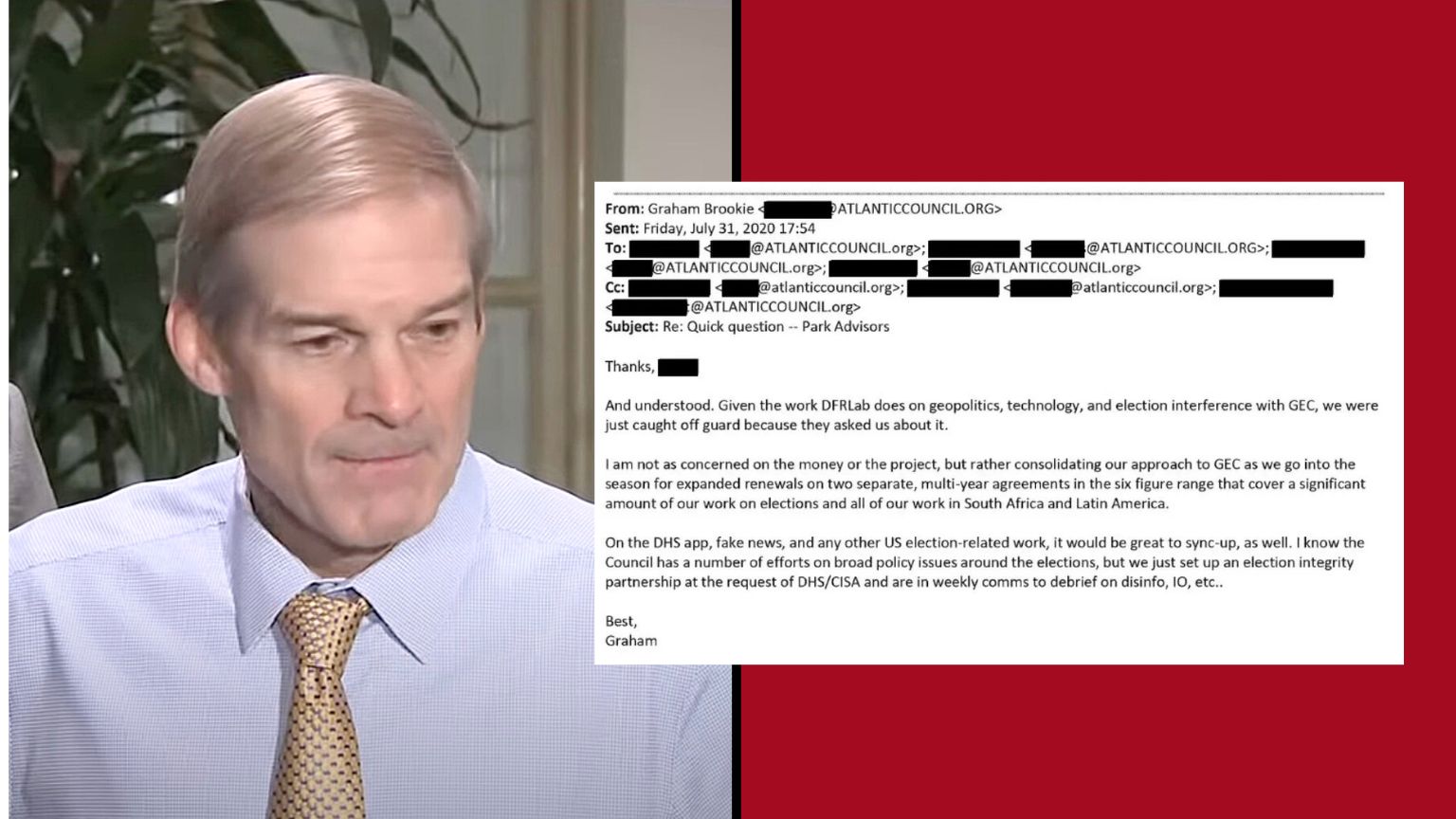
As per a report from the House Judiciary Committee, it appears that speech around US election integrity was potentially compromised before the 2020 polls. Department of Homeland Security (DHS) officials are implicated in the birth of a “disinformation” team at Stanford University. The ominously titled “Election Integrity Partnership,” based on newly uncovered emails and inside communications, apparently colluded with the DHS’s Cybersecurity and Infrastructure Security Agency (CISA) to monitor and pressure the scrubbing of the digital landscape of certain online speeches alongside big tech cohorts.
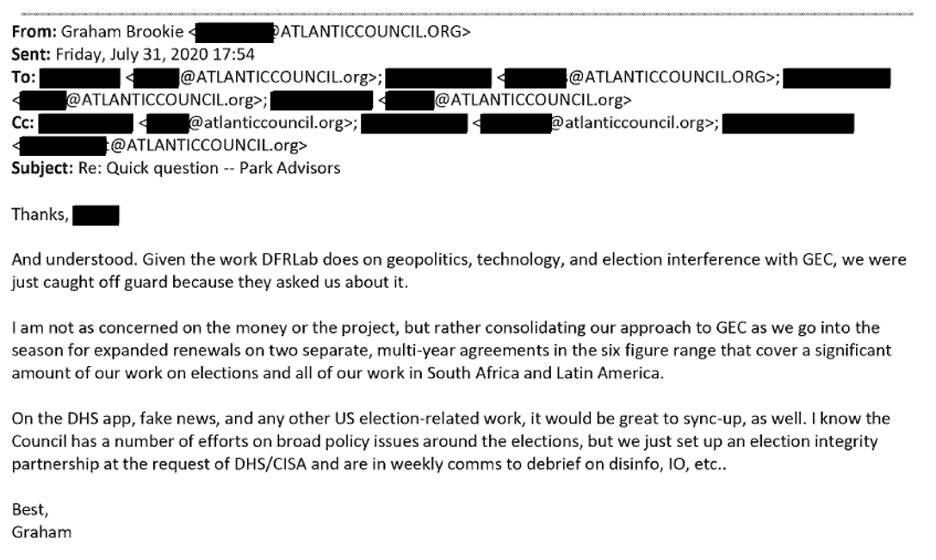
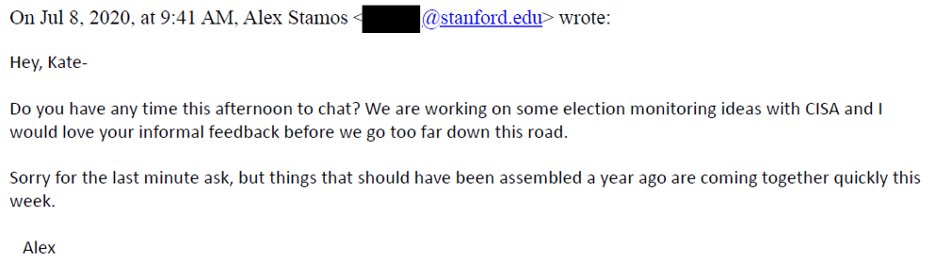
The collaboration’s alleged censorship maneuver was revealed by a founding partner of the EIP, the Atlantic Council’s Digital Forensic Research Lab. It was here in an email, dated 31 July 2020, that the EIP’s origin at the behest of DHS/CISA was acknowledged by Graham Brookie, Senior Director of the lab, who stated they were involved in a continuous discussion surrounding “disinfo.”
Notably, the inquest further concluded that the EIP’s operations were biased, leading to the censure of factual content, humorous commentary and political beliefs. Claiming a significant tilt towards the Democrats, the report accused the censors of brushing information under the rug while assuming the role of arbiters of truth. This led to Republican leaders, conservative media and even satire sites like The Babylon Bee getting unfairly flagged for “misinformation.”
These are examples of just some of the posts that were targeted with censorship:
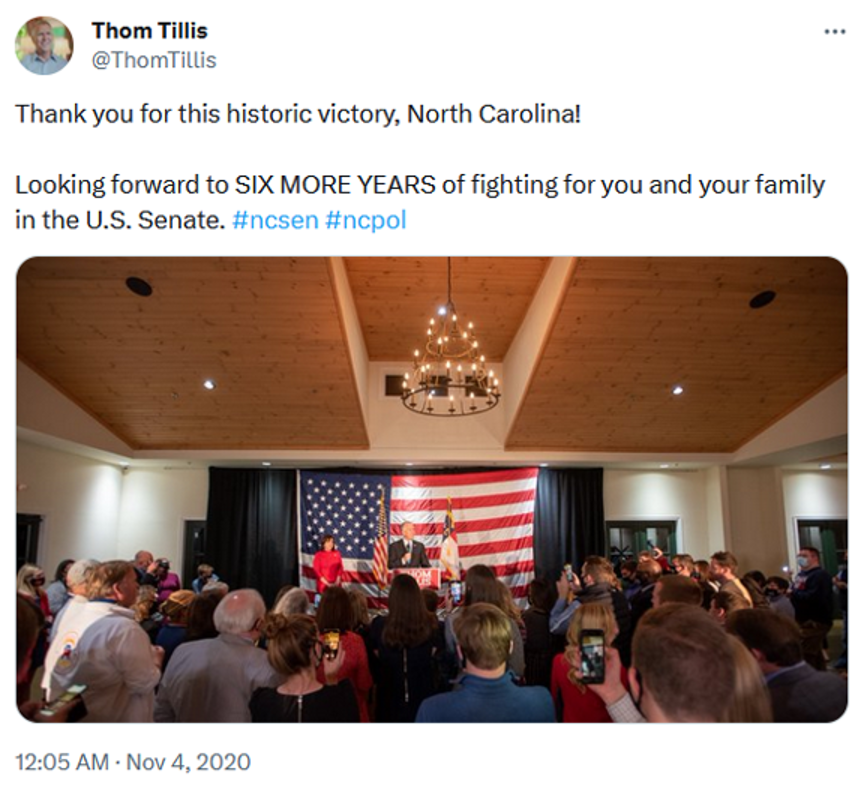
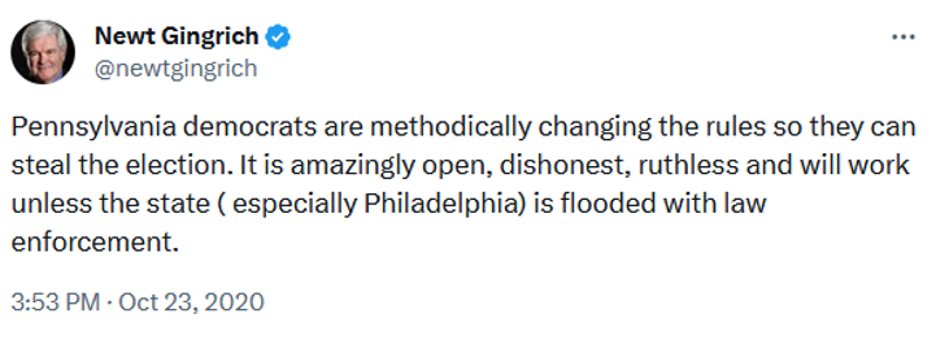
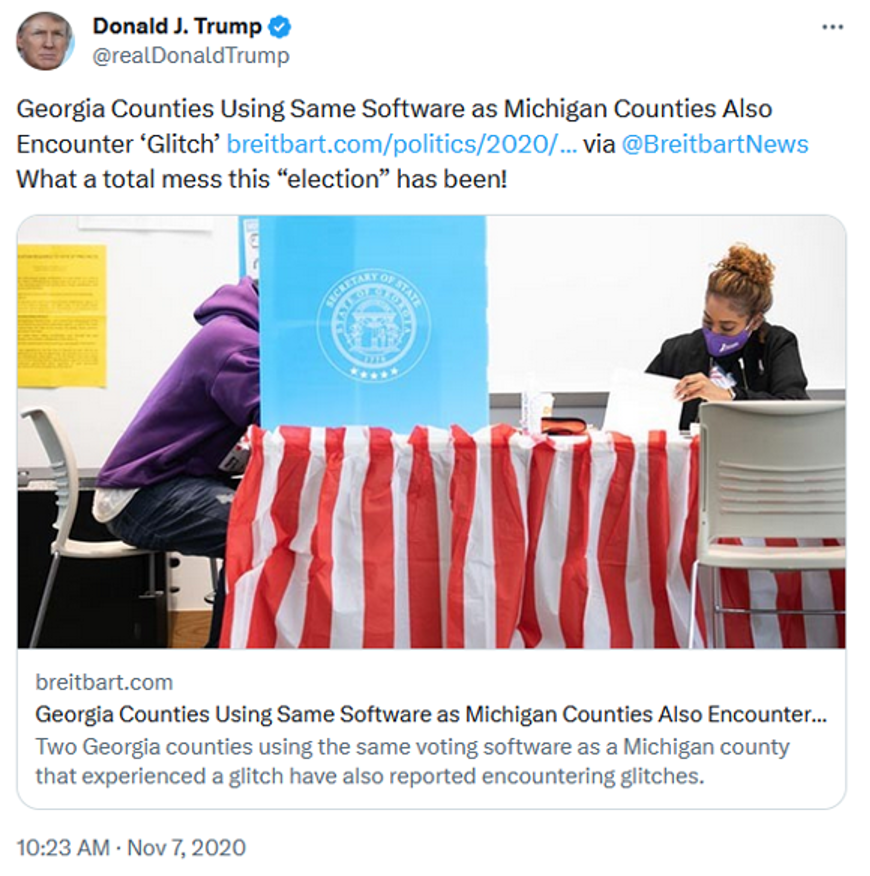
As the allegations continue to mount, it becomes increasingly clear that CISA’s task force was primarily engaged in silencing American speech. Yet Stanford’s EIP was sanctioned to proceed with an alleged censorship crusade from July 2020, despite DHS officials recognizing the dangers of overtly endorsing such an action, as seen in May 2020 emails.
The report claims that state and local removal requests forwarded to social media giants like Facebook and Twitter were veiled under the term “switchboarding.” This sly tactic was confirmed by the CISA-CFITF Director at the time, Brian Scully, who testified in the sensational case of Missouri v. Biden.
Yet, this isn’t a singular instance. Scully had previously informed the Colorado Secretary of State’s Office members of his attempts to sway Twitter in deleting parody accounts. At the same time, he advised Facebook to squash an election-related post perceived as misinformation.
Furthermore, the controversial role of the EIP acquires a much darker hue as it comes to light that students from Stanford were concurrently engaged with both CISA and the EIP. CASA had employed at least four students during the EIP’s operational period, furthering suspicions regarding the ethical conduct and neutrality of such efforts.