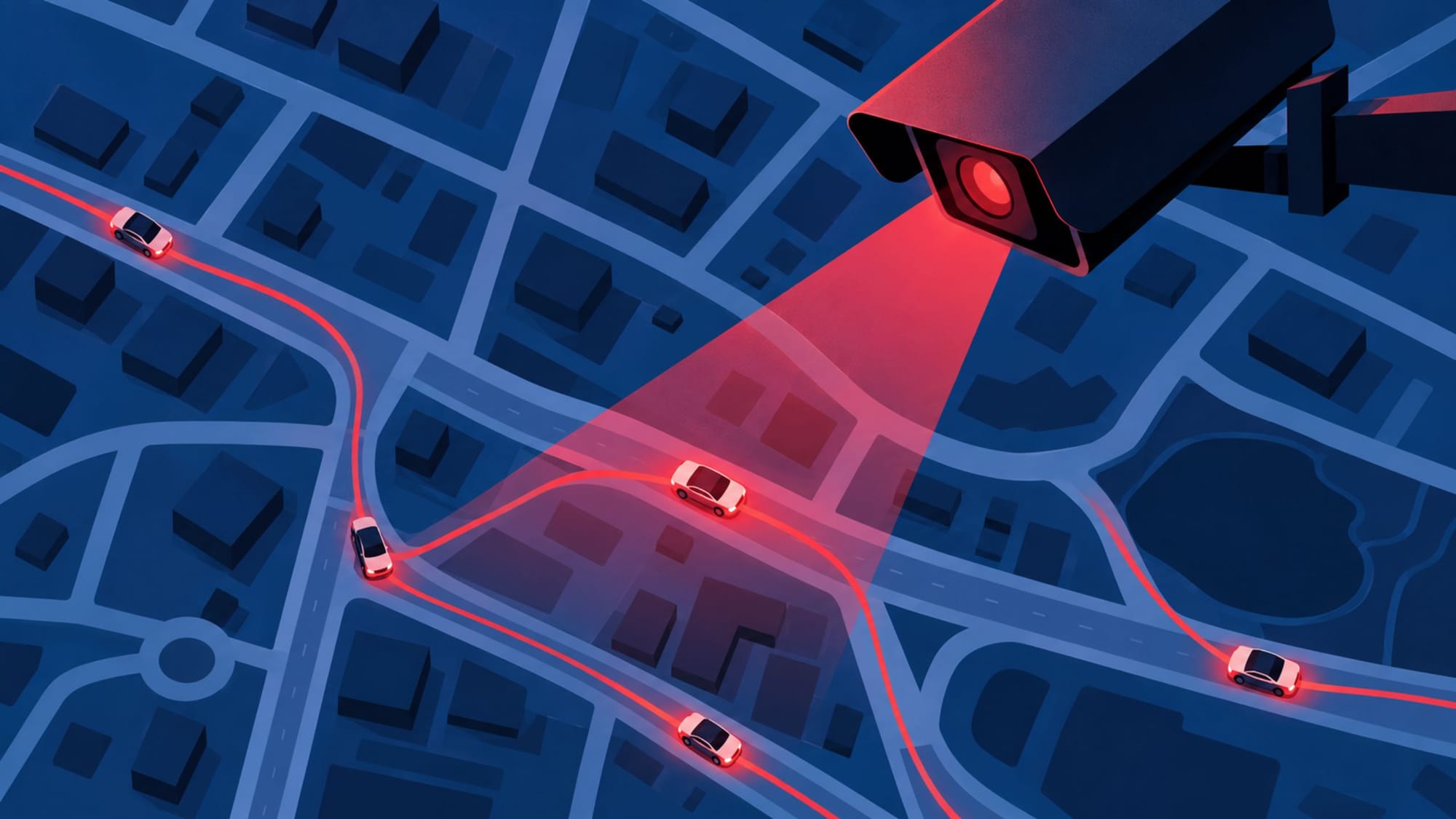
The US Senate has joined a host of other actors in putting pressure on Flock Safety, a maker of automated license-plate readers, over misuse of its technology by law enforcement and others.
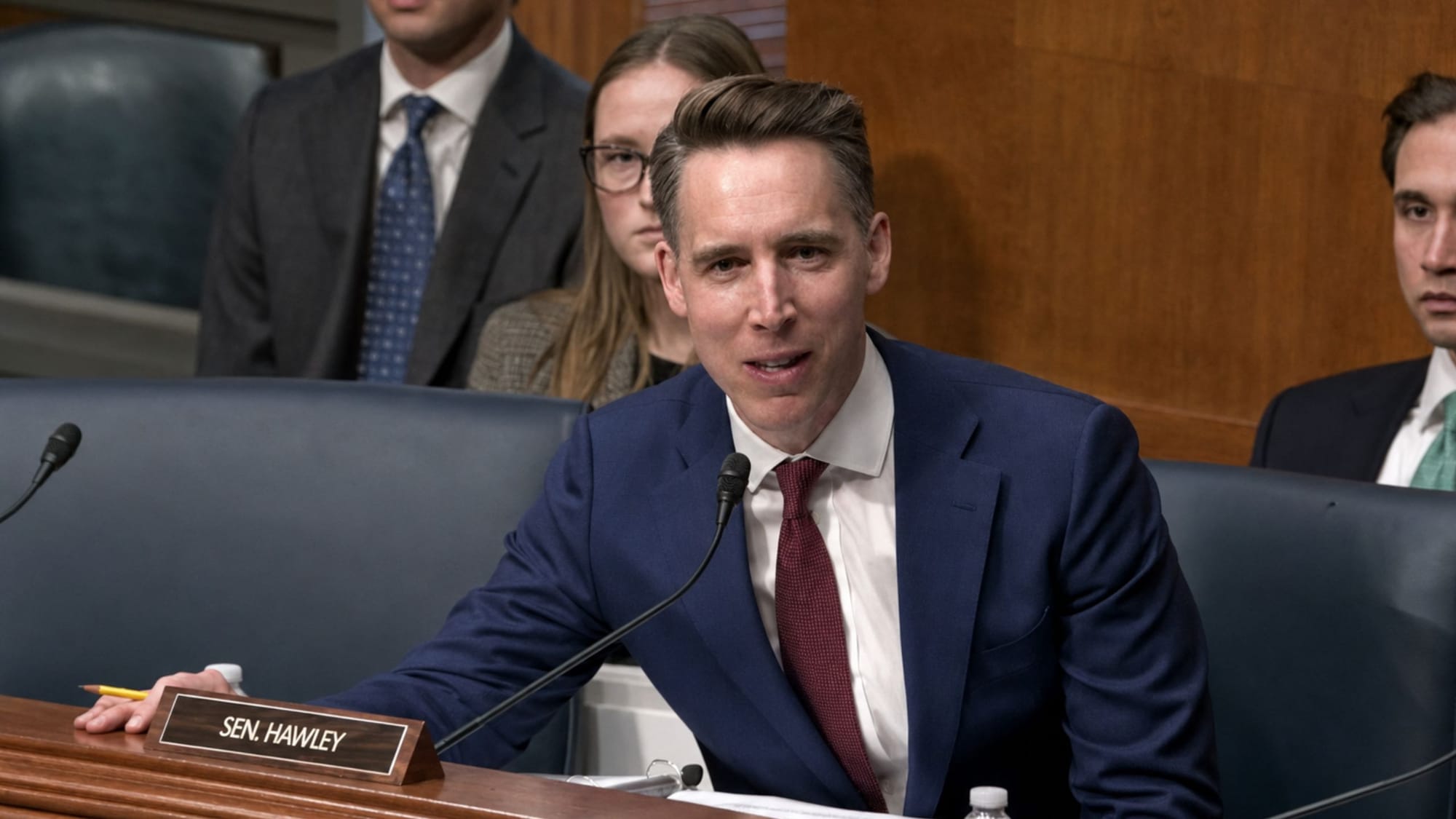
The Senate’s scrutiny came in the form of a letter that was sent by Republican Senator Josh Hawley, who chairs the Senate Judiciary Subcommittee on Crime and Counterterrorism, on August 26.
The senator gave Flock Safety CEO Garrett Langley until September 8 to answer a series of questions and produce documents.
We obtained a copy of the letter for you here.
The investigation targets the scale of the operation, the retention of data collected from the more than 120,000 cameras across 49 states that Hawley said the company has, as well as customers’ search capabilities.
Hawley’s letter says the cameras produce more than 20 billion vehicle scans every month. The scans are then turned into records that can be searched by customers.
Hawley’s concern is that this is turning the act of driving a vehicle into a record that can be searched – and he said that Congress has never authorized the creation of such a network.
“But Americans do not surrender their privacy rights when they drive to work, drop their kids off at school, or go to church,” the senator wrote. “Congress never authorized the network your industry has built.”
The letter seeks information on whether customers can run statewide or nationwide searches of vehicle or driver data, and if this is the default option. The retention periods, both default and maximum, are also of interest to Hawley, as is the number of confirmed misuse cases since January 1, 2021.
Hawley also wants to know what information customers must provide to justify a search, what restrictions Flock imposes, and what the accuracy is when it comes to complete and correctly attributed vehicle identification. The frequency of incorrect alerts is also a question.
Flock is also asked to provide details about the data the devices capture, whether the data is linked to any outside source, and whether multi-factor authentication is required of all users.
And in a question that goes beyond the plate readers, Hawley wants to know if Flock has the capability to biometrically track people.
The request for documents includes contracts with governmental customers, prices and fee schedules, information about pilot programs, discounted or donated equipment, and help given to customers to secure federal, state, or private grant funding.
A Flock spokesperson confirmed receiving the letter and said the company would respond to the subcommittee.
“We look forward to working with Senator Hawley and the Subcommittee to provide additional context about how our technology works, the safeguards built into our platform, and how law enforcement agencies use Flock to solve crime and find missing people,” Paris Lewbel said.
Meanwhile, reports of misuse of Flock Safety’s technology continue to emerge. On August 21, the Georgia Bureau of Investigation announced the arrest of four former Savannah Police Department employees.
They are accused of using the system for non-law-enforcement purposes.
Savannah police said they had fired six employees – four officers and two civilians – after an internal investigation.
A week before Hawley sent his letter, the Washington Post published an investigative report based on publicly available search logs and other records. The article found possible misuse by officers in Indianapolis, Haines City, Florida, and Highland Heights, Ohio.
The Post reported that an Indianapolis police officer appeared to search vehicles used by his wife and two close acquaintances 3,759 times in ten months.
The Washington Post report said that at least 69 police officials had been accused, charged, or convicted of unauthorized use of Flock or other license-plate readers.
But the pressure on Flock is not limited to the revelations of misuse of its product by law enforcement, or the Senate. Two other prominent politicians have recently come out with strong statements.
Vermont Senator Bernie Sanders said he would introduce legislation to stop Flock and AI mass surveillance. And Florida Governor Ron DeSantis said he would support new restrictions in his state, declaring that automated license-plate readers had gotten “out of control.”