
Privacy
Facebook Messenger to Remove the Ability to Find Someone by Phone Number, Researcher Says
The move is mostly being praised.
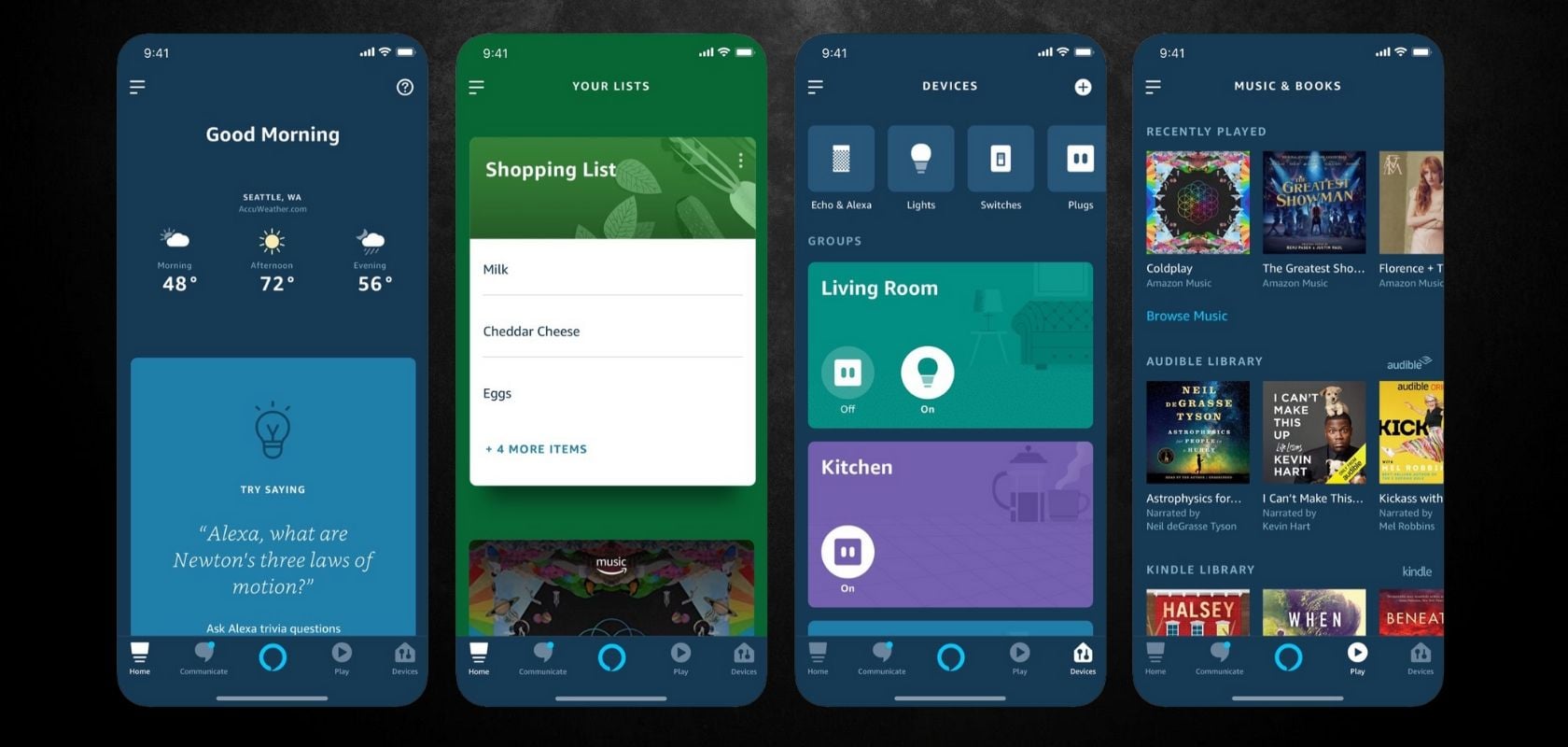
Amazon Alexa App Shoots to the Top of the App Store, Suggesting It’s One of the Most Popular Christmas Gifts
Thousands have let Alexa into their home this Christmas.
Pentagon Warns Against Military Personnel Using Home Testing DNA Kits
The Pentagon says the tests are inaccurate.
Michael Bloomberg to Use His Own Digital Analytics and Marketing Company to Promote Campaign
Bloomberg is spending big in his election bid.
Plenty of Fish Reportedly Leaks Users’ Real Names and Zip Codes
App Analysis reports user data has been exposed.

UK Investigation Into Journalists Who Published Snowden Leaks, Now “Inactive”
The information was obtained through a freedom of information request.
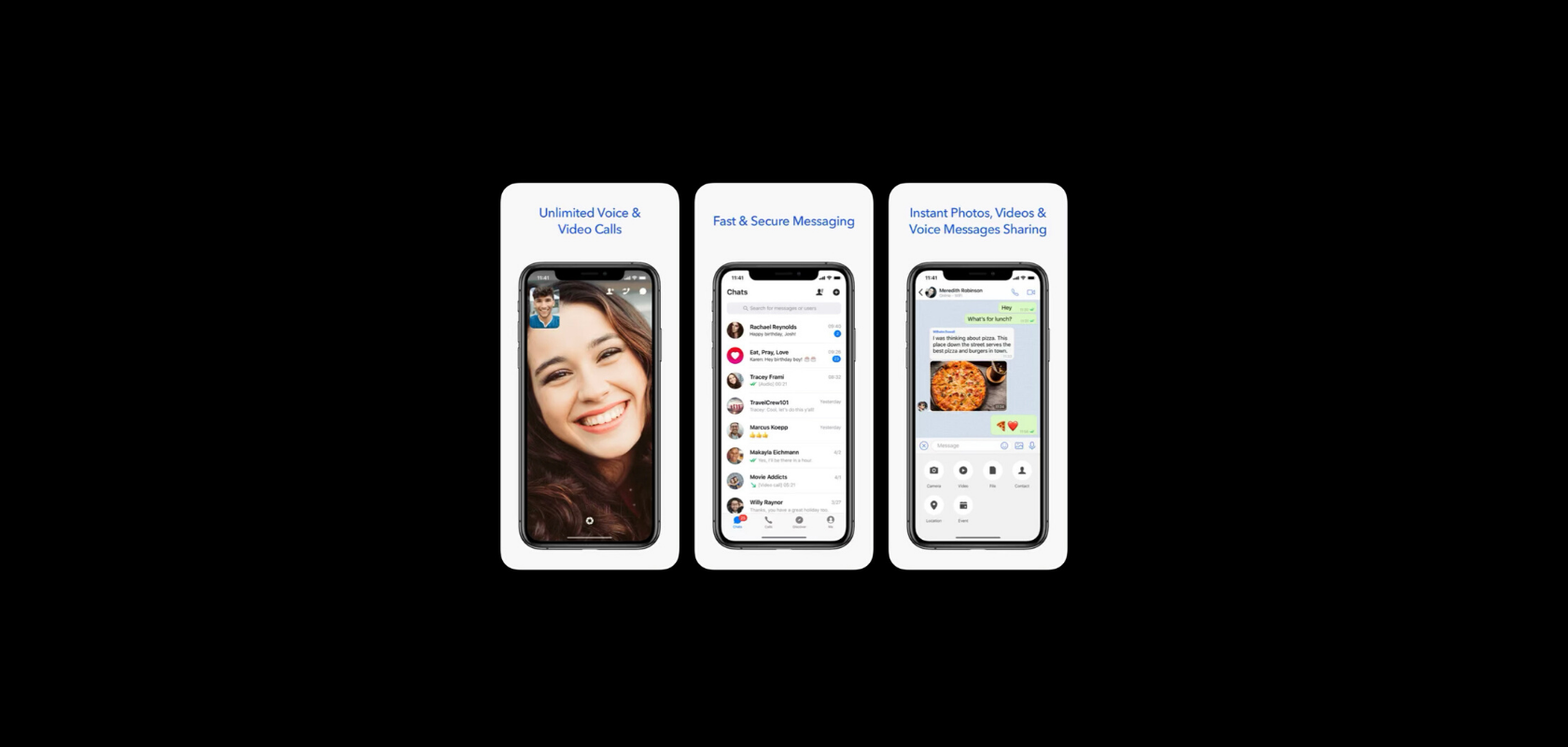
ToTok App Removed From App Stores After Accusations of Being Front for UAE Mass Surveillance
Reports call the app a “spy tool”.

Facebook Breach Exposes ID and Phone Numbers of 267 Million People
Facebook is investigating the claims.

Facebook Wants Its Own Operating System
Facebook wants to own both the hardware and software for its new projects.

SmugMug CEO Calls Flickr “the World’s Most-Beloved, Money-Losing Business”, Calls for Support
MacAskill says Flickr will need more paid users to survive.
Judge Dismisses Wikimedia Case Against the NSA
Somehow Wikimedia has to prove that it’s being surveilled, even though that surveillance would be secret.

German Train Line Reprimanded by Authorities After Defending Itself Against Greta Thunberg Tweet
The train line is in trouble for revealing that Thunberg had a first class ticket.