
Topic: Code of Conduct
Codes of conduct are increasingly being used by organizations and platforms to regulate speech and behavior, often leading to censorship and the suppression of free expression. These policies can create environments where dissenting opinions are silenced, and individuals face repercussions for their views. The implications for privacy and individual liberty are significant, as such codes can serve as tools for surveillance and control.
-

JPMorgan Sees the Writing on the Wall, Bans Political and Religious Debanking—For Now
JPMorgan Chase reverses course on political and religious “debanking” after shareholder pressure forces a policy shift.
-
The United Nations is About to Move Against Free Speech
The agency wants to curb “misinformation.”
-
The UN calls for a “code of conduct” on social media
More demands.
-
UK proposes spending public funds to police MPs “disreputable” tweets
An obsession with policing speech.
-
Apache Software Foundation (ASF) drops co-founder from the TinkerPop project over “offensive tweets”
Increasing intolerance to free speech.
-
Wikipedia launches new code of conduct that bans “false” info and “trolling,” encourages preferred pronoun use
Contributors that refuse to comply will face sanctions.
-
Wikipedia’s proposed “code of conduct” would step up the identity politics
Behind the scenes changes could be coming soon.
-

Google employee says they were fired for reminding colleagues of their rights through notification system
Spiers modified a security tool that shows security pop-ups to employees.
-
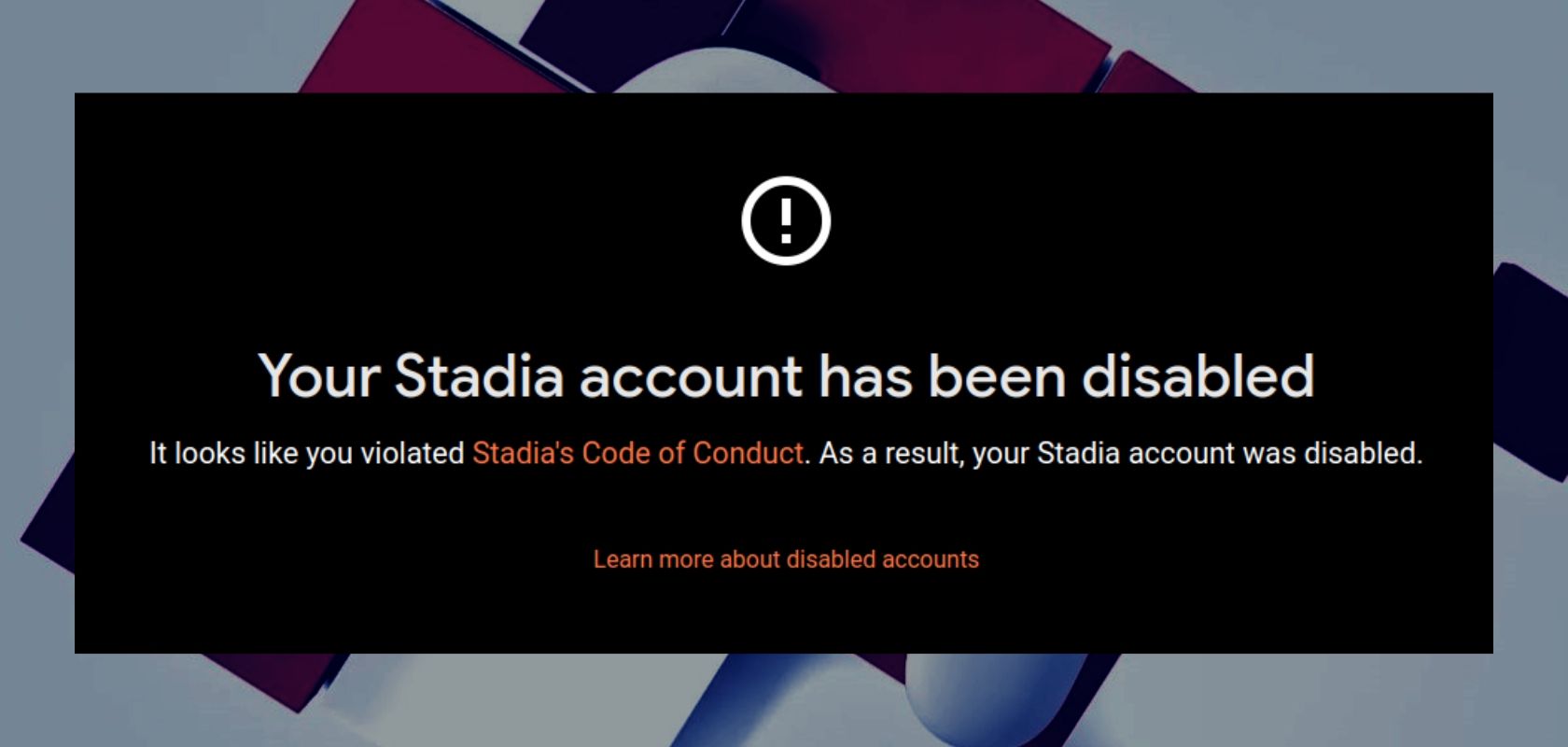
Here’s what you see if Google Stadia bans your account and game access, leaving you with a useless controller
With all of your games on Google’s servers, what happens when your account is banned?
-
Stack Exchange moderators quit after new rules forcing members to use “preferred gender pronouns”
Cellio explained that she was terminated under the assumption that Cellio “will in the future violate a thoughtcrime-style provision of…