
Topic: UAE
The UAE has implemented strict measures to control online expression and monitor its citizens, including mandatory identification for social media users and severe penalties for sharing unverified information. This environment of surveillance and censorship poses significant threats to privacy and free speech, as the government employs advanced technologies to track individuals and suppress dissent. The UAE’s approach exemplifies the dangers of state control over digital communication and the erosion of individual liberties.
-

To Keep Kids Off Social Media, the UAE Will ID Every User
The under-15 ban is how the UAE signs on to a worldwide push for verified digital identity.
-

UAE Threatens Residents With Prison for Sharing Unverified News During Missile Strikes
The law was written before the missiles arrived, but its timing couldn’t be more useful for a government that would…
-

WEF and UAE Launch AI Regulation Platform
World Economic Forum and UAE use GRIP to influence global AI and quantum regulation with centralized policy frameworks.
-

Pegasus Explained: When Phones Become a Government Informant Weapon That Doesn’t Miss
What began as a counterterrorism tool now eavesdrops on dissent, collapsing the boundary between state security and state control.
-

From Boarding Pass to Bio-ID: Airports Become Frontlines in the Surveillance State
In a world obsessed with streamlining, opting out is no longer part of the itinerary.
-

-

-

WEF wants kids to learn in the metaverse to curb climate change
Pushing for virtual life.
-

UAE says it will fine people that spread online “misinformation”
More coronavirus censorship.
-

The entertainment industry isn’t happy with VPNs
They’re saying VPNs enable streaming “piracy.”
-
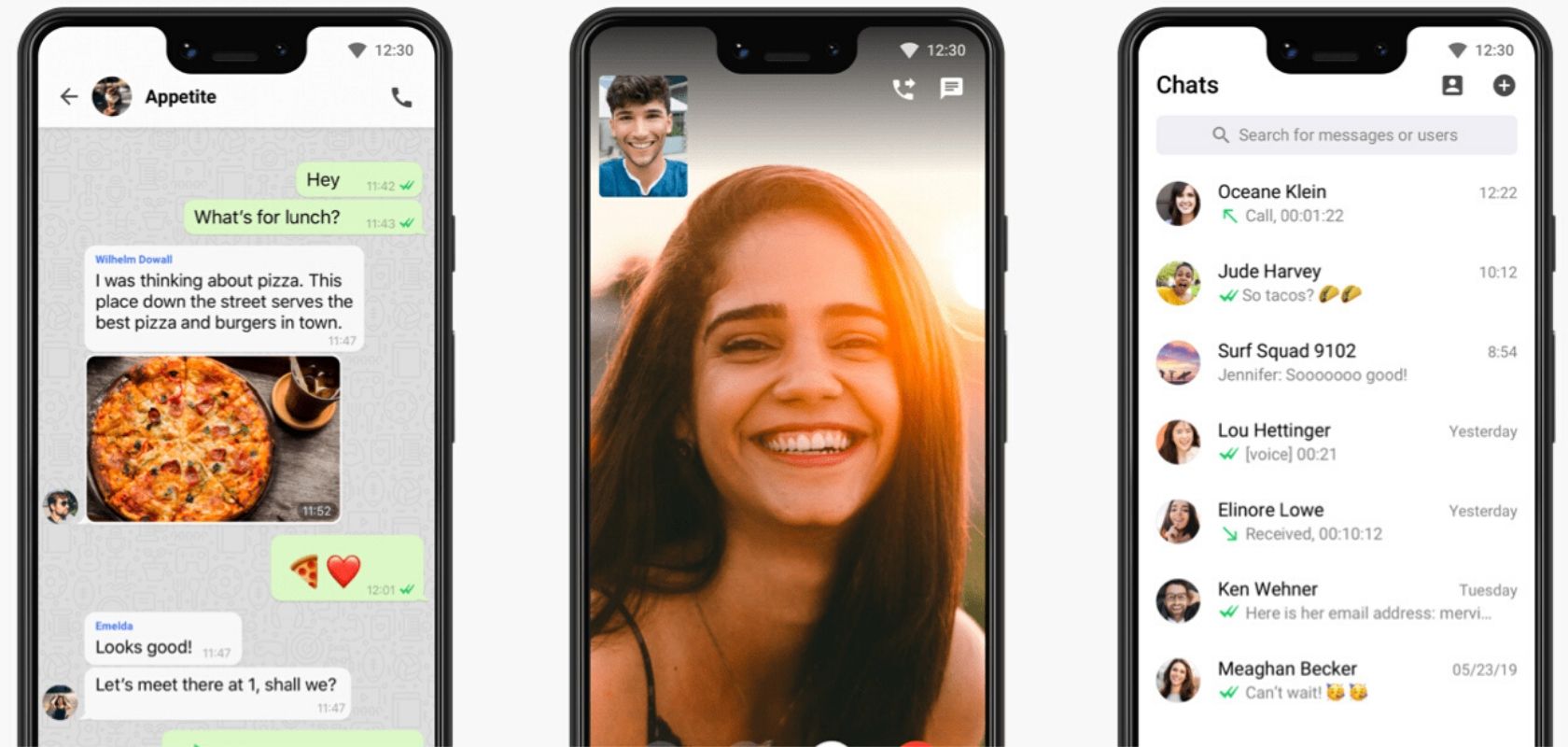
ToTok app, accused of being spyware, isn’t happy Google is suggesting it’s harmful
“We invite you to ignore the Google notification…”
-
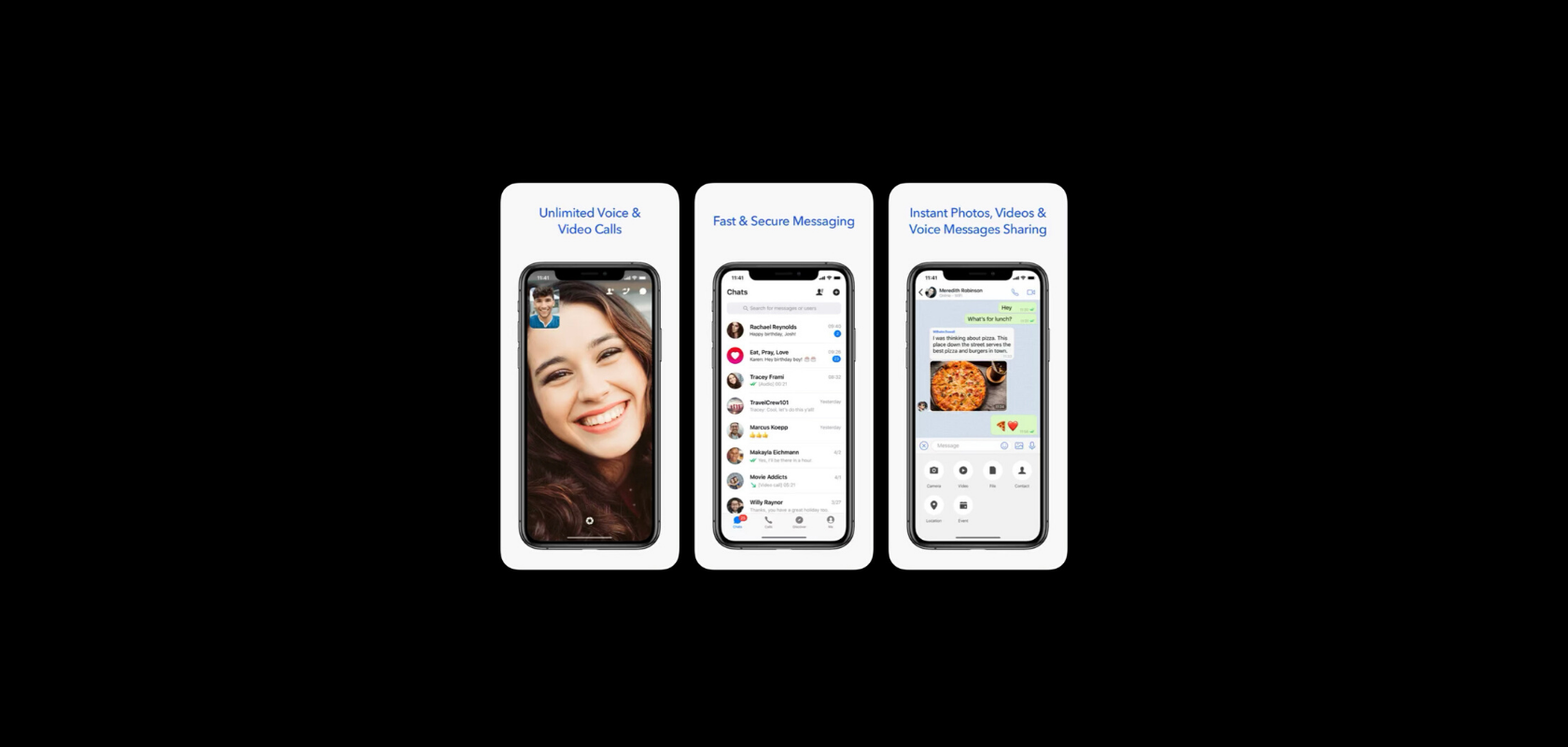
ToTok app removed from app stores after accusations of being front for UAE mass surveillance
Reports call the app a “spy tool”.