A US Court of Appeals has struck down a West Virginia law that made it possible for judges, prosecutors, public defenders, police officers, and those living with them, to sue anyone who published their home address or unpublished phone number online.
The ruling means that the officials and their families had this protection, but now they don’t – while the rest of the public in West Virginia never had it. The law was part of a 2021 bill, and the section that has now been declared unconstitutional was challenged by a group of people search sites.
The case started with five class actions filed by Michael Jackson, a retired state law enforcement officer, who said that the companies had “exposed him and his peers to harassment and/or risk of harm to life or property” by publishing their home addresses and phone numbers online.
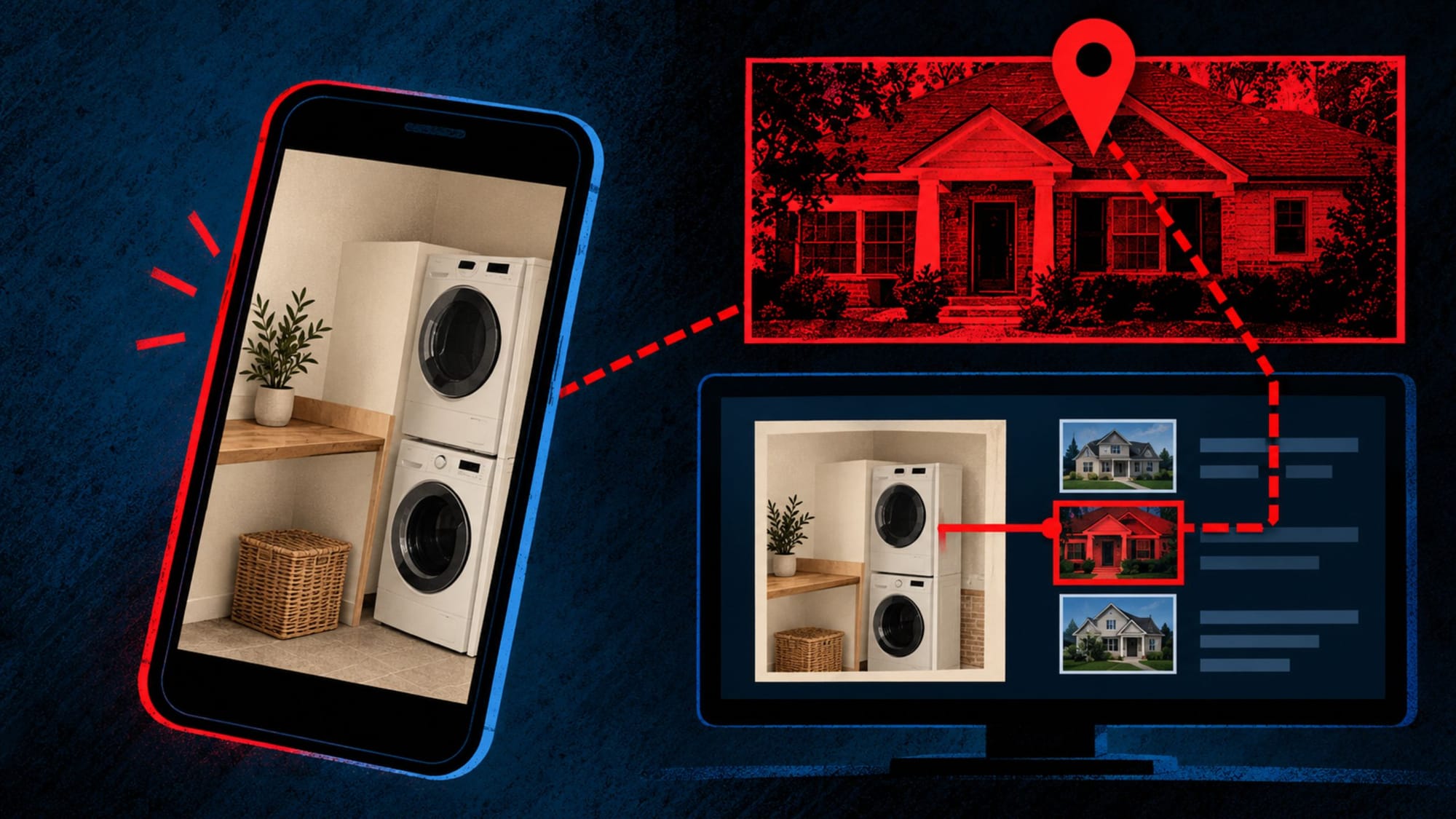
According to Jackson, the people search sites make it easy for anyone to find this information, needing only “two pieces of information about a person of interest: name and state.” The companies then harvest data from public records, social media, and other data brokers, and sell access to it for a fee.
The law that was meant to stop this was named for Daniel Anderl, the 20-year-old son of federal judge Esther Salas, who was shot and killed in 2020 by a lawyer who had found the judge’s home address online. After the incident, Judge Salas spoke in favor of the bill, saying that “the free flow of information from the Internet allowed this sick and depraved human being to find all our personal information and target us.”
The Fourth Circuit Court of Appeals has now found that while the state had every right to try to regulate speech that could be dangerous, it went about it the wrong way.
Unlike federal law and those in other states that have a similar purpose, West Virginia’s did not require that an official first ask for the information to be taken down before suing. And, a company could be held liable even if it had no way of knowing it was publishing a covered person’s details.
The court said that “Requiring notice prior to imposing liability is one method for narrowing the law, it is not the only way. But it is the way that Congress and virtually every other State has chosen to narrow their laws and render them less speech-restrictive.”
The court noted that the state “was fully justified in attempting to regulate such speech” – but that it “could have regulated more narrowly.”
In the end, the judges treated the information that people search sites publish as protected speech, noting that home addresses and phone numbers have long been made available in local Whitepages and Yellow Pages, and now they are also available on the Internet.
The people search industry has long been under scrutiny, and free speech groups have come to its defense, seeing attempts to restrict it as unconstitutional.
In the West Virginia case, the Foundation for Individual Rights and Expression (FIRE), and the Reporters Committee for Freedom of the Press were among those who submitted amicus briefs in support of the companies that were sued.
Meanwhile, the separate part of the law that made it unlawful for state and local agencies to “knowingly” disclose the same information was not challenged in the case.
The killing of Judge Salas’ son caused a flurry of legislative activity across the US, as lawmakers moved fast to protect their own – but not the rest of the public.
It took another shooting, of Minnesota state Rep. Melissa Hortman in 2025, for it to emerge that the suspect had a notebook with her home address and the names of 11 people-search websites written in it.
Even though US Rep. Lori Trahan said at the time that “every American, not just elected officials, deserves the right to privacy, safety, and security” – that is still not the case.
In fact, it was revealed that the FBI has resumed buying Americans’ location data from brokers – and doing it without a warrant.
The court was right that a law that punishes the publication of true information without any warning is an overreach – but its ruling also shows just how thin the privacy protection is, and how little the law is willing and able to do to protect it. Even officials are now left with no valid law to shield their personal data, while the rest of the public has never had any.