Mason Grimmett, a machinist from Wichita, has sued the city over its network of nearly 200 Flock automated license plate readers, asking a Kansas court to declare the program unconstitutional and stop it.
The Kansas Justice Institute, a public interest law firm, filed the petition on his behalf in Sedgwick County District Court. It argues the camera network violates Sections 15 and 20 of the Kansas Constitution Bill of Rights, and it asks for an injunction against the program.
We obtained a copy of the complaint for you here.
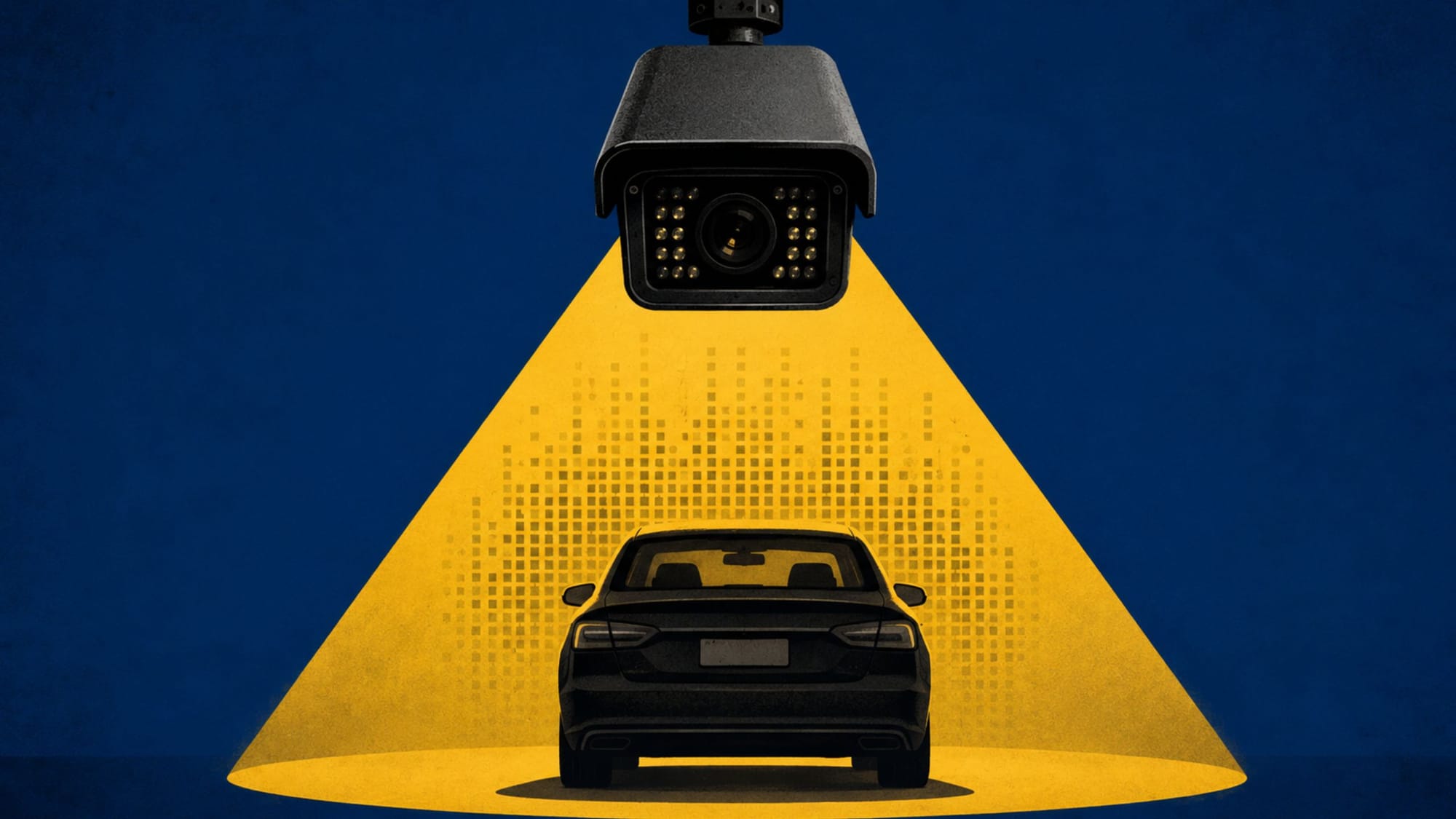
The cameras photograph every vehicle that passes them, day and night.
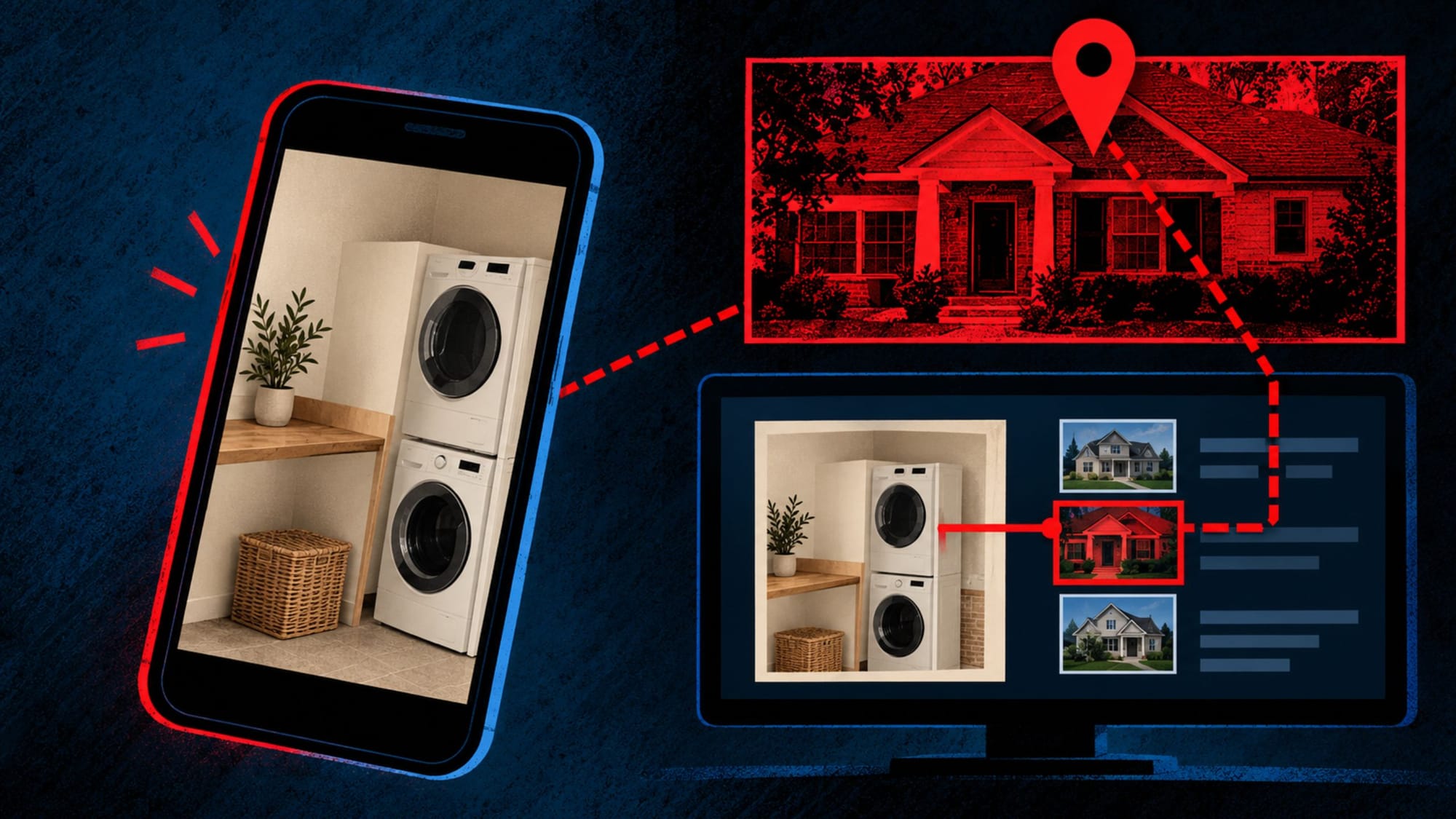
Flock's servers then run AI analysis on each image, the petition says, reading the plate along with the make and model, bumper stickers, bike racks, dents and scratches to build what the company calls a Vehicle Fingerprint. What comes out is a searchable record of where a car has gone and when. Officers pull it up from a computer or a phone - "like searching Google," the petition says. Wichita shares access with hundreds of other law enforcement agencies, according to the filing, all of it without a warrant or any judicial oversight. KSN puts the sharing at more than 100 agencies.
The agencies with access could hand Wichita's data on to still others, the institute says, and Wichita would have no way of knowing whether it traveled further. One of them, Junction City, already passes its own database to the FBI, the U.S. Postal Inspection Service, a Texas district attorney's office, and the Alabama Department of Corrections. So where does the record of a Wichita driver's movements end up?
"The Wichita Police Department, and others, can reconstruct where you sleep, work, worship, seek medical treatment, protest, who you associate with - currently without a warrant," Grimmett said at a June City Council meeting, where he testified against the program.
When his five minutes at the microphone ran out, Mayor Lily Wu recommended he visit the police department's website and its Flock transparency portal. The website says the department relies on the technology to "capture objective evidence without compromising individual privacy" and credits the stored images with solving crimes, including through a vehicle "hotlist."
He is a member of the Sunflower Privacy Alliance, and the suit says he cannot drive to work, the gym, a doctor's appointment, or a polling place without being photographed and cataloged. The department keeps the data for at least 30 days - indefinitely, in some circumstances - under its own policy, the complaint says.
This is a state constitutional case, not a Fourth Amendment one. The Kansas Supreme Court currently reads Section 15, the state's search-and-seizure provision, in step with federal Fourth Amendment law, the petition says. But it argues Section 15 protects more than the federal text, and it reads Section 20 as guaranteeing rights beyond the ones the Constitution lists. A ruling for Grimmett would rest on Kansas law alone.
Sam MacRoberts, the institute's litigation director, said the Kansas Constitution does not authorize the government to place every citizen under persistent, AI-powered surveillance just because it might lead to the capture of alleged criminals. "Mason is a law-abiding citizen trapped in Wichita's warrantless ALPR dragnet surveillance program," he said. "If Wichita wants to track its citizens, it needs to go to a judge and get a warrant."
The misuse the suit warns about has already happened in Sedgwick County.
Former Kechi Police Lieutenant Victor Heiar used Wichita's Flock system to track his estranged wife, and a Sedgwick County court found him guilty of unlawful use of computers and sentenced him to 18 months of probation. Former Sedgwick Police Chief Lee Nygaard resigned after reportedly using Flock to track an ex-girlfriend and the woman's boyfriend. And the institute says at least three Kansas officers have been caught using plate readers to stalk wives or girlfriends.
Captain Casey Slaughter, who oversees Wichita's program, said in 2022, after the Heiar search came to light, "One situation of an outside agency one time misusing the Flock system is not shocking to my conscience at all; it's just not. And I'm just being real honest. I knew it was going to happen eventually. And it happened."
Wichita's interim police chief at the time, Troy Livingston, said the department was "looking at tightening up the data," including weekly reviews of data requests.
Even a lawfully used network misreads plates, the petition argues. It cites reports of an 80 to 85 percent accuracy rate in operational deployments. The institute says Wichita's program catalogs roughly 900,000 vehicle photographs every month, with an estimated 100,000 erroneous readings among them.
"One innocent Kansas couple has been pulled over multiple times, once at gunpoint, because the Flock ALPR dragnet surveillance system wrongly flagged their minivan as a stolen pickup truck," the complaint says.
The petition still awaits the city's answer and a first hearing. Wichita gave KSN a one-line statement saying it "cannot comment on any potential or pending litigation."