
UK Conservative party faces enquiries from privacy regulator for micro-targeting
The UK’s privacy watchdog is “making enquiries”.

The UK’s privacy watchdog is “making enquiries”.

The President provided no evidence for the claim.

Facebook found many fake accounts that were being used to sway public opinion on the platform.
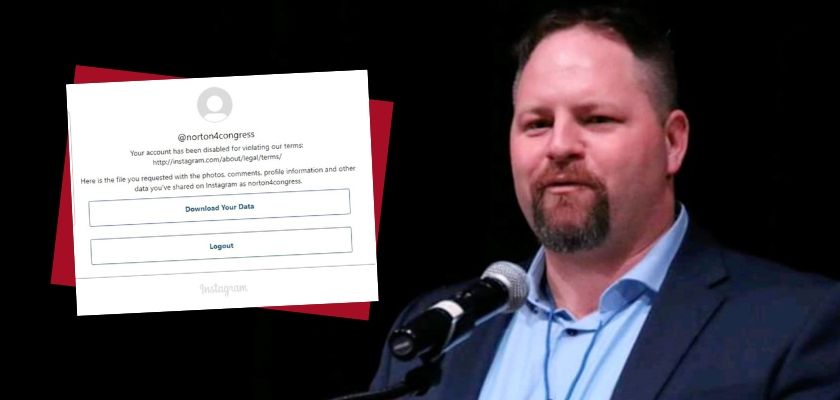
Norton accuses Instagram of censorship.

It’s not the first time Google have decided to ignore the standard.
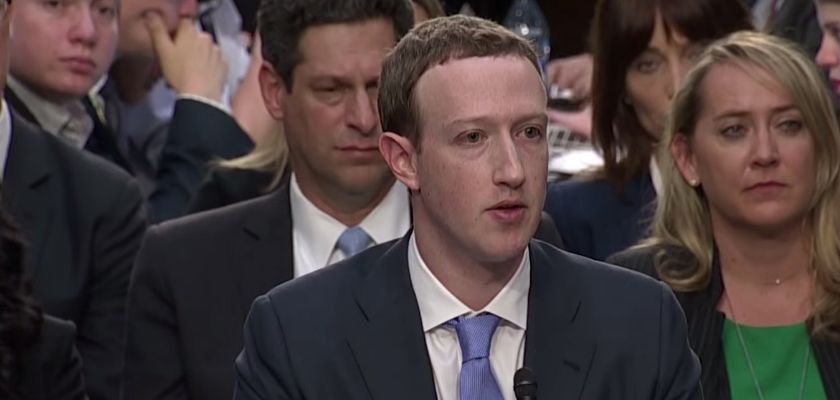
The group wants Facebook to share more data with “fact checkers” to improve the results.

The situation reminds people that, on the internet, not everything is always as it seems.

The channel is the lates independent channel to be hit by YouTube’s practices.

YouTube appears to be turning its back on the users that built the platform.

YouTubers are constantly being demonetized and banned from the platform, having their livelihoods threatened.

Apple seems to be lighting up on its restrictive practices in the face of antitrust scrutiny brewing.

Apple have been promoting privacy as a premium feature in recent months.

Many thought that the popular site was gone. But a new site will continue its legacy.

The system tracks how long people play video games for and then sends that data to the Chinese Government so they can check levels of “gaming addiction.”

The controversial system will be slowly rolled out to citizens.

The city says there are no plans to continue any facial recognition programs.

The data collection makes it really easy to get a detailed look at data profiling.
The seven nations think tech companies need to be taxed more in order to be controlled.

The news comes as the Home Secretary called for increased testing of face recognition technology to fight crime.

Neuralink hopes to begin human experimentation as soon as the second quarter of next year.

Much of the rulings that caused the early internet to thrive were supported by Stevens, who died yesterday, aged 99.

Apple appears to only be interested in federal privacy laws, not individual state laws.

Snowden was the keynote speaker at Open Rights Group’s OrgCon 2019.

France has approved a new 3% tax on the revenue of major US tech companies and President Trump isn’t happy.
The UK’s privacy watchdog is “making enquiries”.
The President provided no evidence for the claim.
Facebook found many fake accounts that were being used to sway public opinion on the platform.
Norton accuses Instagram of censorship.
It’s not the first time Google have decided to ignore the standard.
The group wants Facebook to share more data with “fact checkers” to improve the results.
The situation reminds people that, on the internet, not everything is always as it seems.
The channel is the lates independent channel to be hit by YouTube’s practices.
YouTube appears to be turning its back on the users that built the platform.
YouTubers are constantly being demonetized and banned from the platform, having their livelihoods threatened.
Apple seems to be lighting up on its restrictive practices in the face of antitrust scrutiny brewing.
Apple have been promoting privacy as a premium feature in recent months.
Many thought that the popular site was gone. But a new site will continue its legacy.
The system tracks how long people play video games for and then sends that data to the Chinese Government so they can check levels of “gaming addiction.”
The controversial system will be slowly rolled out to citizens.
The city says there are no plans to continue any facial recognition programs.
The data collection makes it really easy to get a detailed look at data profiling.
The seven nations think tech companies need to be taxed more in order to be controlled.
The news comes as the Home Secretary called for increased testing of face recognition technology to fight crime.
Neuralink hopes to begin human experimentation as soon as the second quarter of next year.
Much of the rulings that caused the early internet to thrive were supported by Stevens, who died yesterday, aged 99.
Apple appears to only be interested in federal privacy laws, not individual state laws.
Snowden was the keynote speaker at Open Rights Group’s OrgCon 2019.
France has approved a new 3% tax on the revenue of major US tech companies and President Trump isn’t happy.