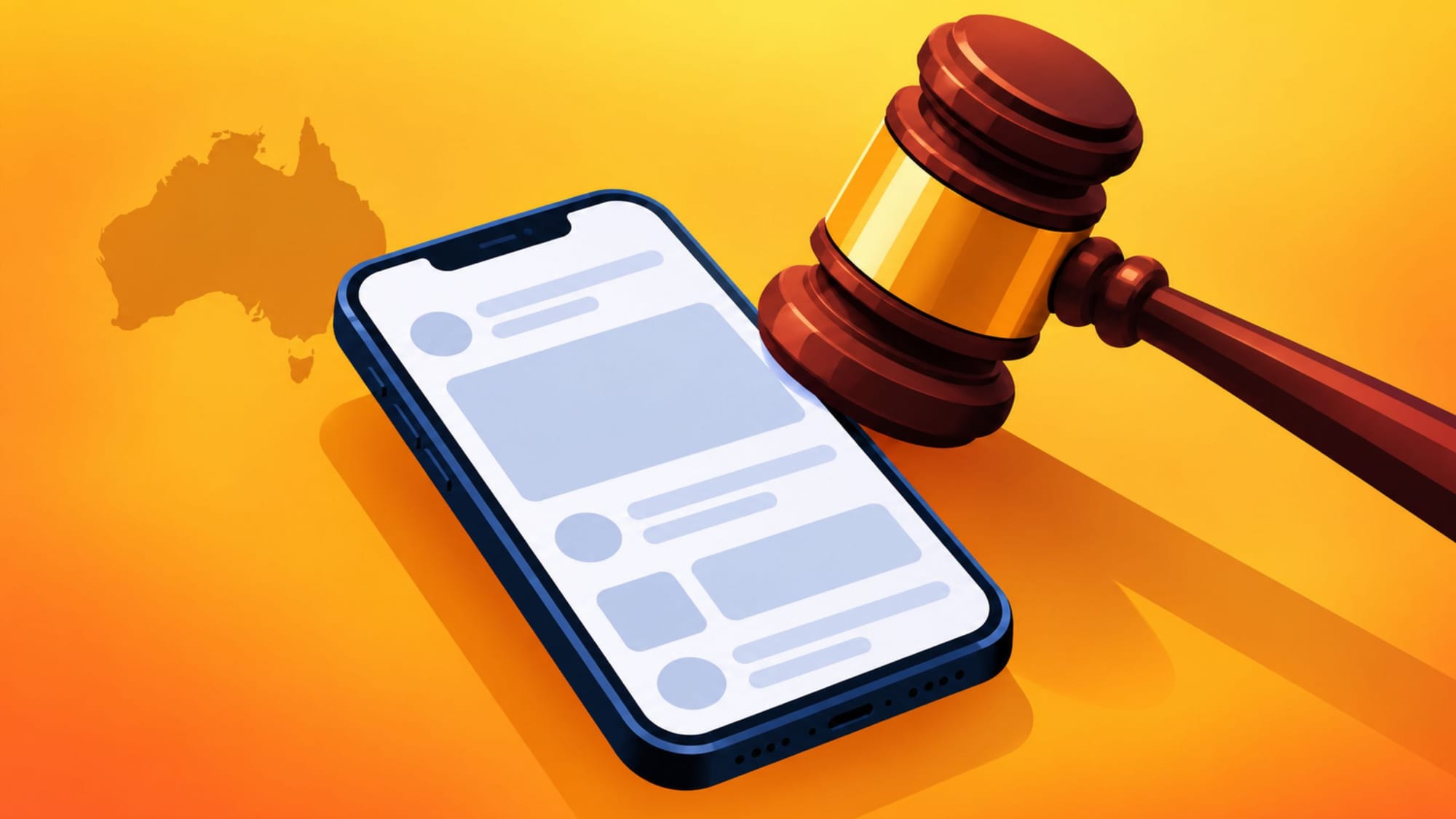
At the 2026 World Government Summit in Dubai, Spanish Prime Minister Pedro Sánchez announced a set of measures aimed at reshaping how social media platforms operate within Spain and across Europe. He described social media as a “failed state” and declared that if governments want to protect citizens, “there is only one thing we can do: take back control.”
The proposal, to be introduced in Spain’s parliament next week, includes holding platform executives criminally accountable for illegal content, criminalizing algorithmic amplification of prohibited material, and creating a “Hate and Polarization Footprint” to monitor how companies spread divisive content.
Sánchez also said his government will “work with our public prosecutor to investigate and pursue the infringements committed by Grok, TikTok and Instagram” and promised “zero tolerance on this matter.”
He further announced that Spain has joined five other European nations in forming a “Coalition of the Digital Willing,” which is “committed to enforcing stricter, faster, and more effective regulation of social media platforms.”
According to Sánchez, the coalition will hold its first meeting soon to “advance coordinated action at a multinational scale.”
Digital rights advocates and technology leaders have voiced serious concern that these initiatives risk expanding government surveillance and undermining free speech.
Telegram founder Pavel Durov said on Wednesday that “Pedro Sánchez’s government is pushing dangerous new regulations that threaten your internet freedoms. Announced just yesterday, these measures could turn Spain into a surveillance state under the guise of ‘protection.’”
He warned that the plan will cause “increased government-led censorship of online content, breaches of privacy through de-anonymizing users and mass-surveillance.”
Spain has already demonstrated a willingness to disrupt core internet infrastructure in the name of enforcement. In its ongoing campaign against unlicensed football streaming, courts have granted LaLiga the power to compel internet service providers to block broad Cloudflare IP ranges used by piracy-linked sites.
These blocks, which often coincide with matchdays, have had collateral effects far beyond the intended targets. Services like GitHub, Steam, and X have periodically gone dark for Spanish users because they share Cloudflare’s infrastructure.
Despite challenges from Cloudflare and cybersecurity organizations, a Spanish court reaffirmed the legality of these shutdowns. The mass blocking of unrelated websites has driven widespread VPN adoption as users attempt to bypass state-imposed restrictions.
The aggressive posture toward network-level censorship shows that the Sánchez government’s proposed crackdown on social media is part of a broader pattern of overreach.