
Topic: fake news law
Fake news laws are often used as a pretext for governments to impose censorship and suppress dissenting voices online. These laws can lead to severe penalties for individuals and platforms that challenge official narratives, stifling free expression and undermining democratic discourse. The implications of such legislation extend beyond misinformation, threatening privacy and individual liberties in the digital sector.
-
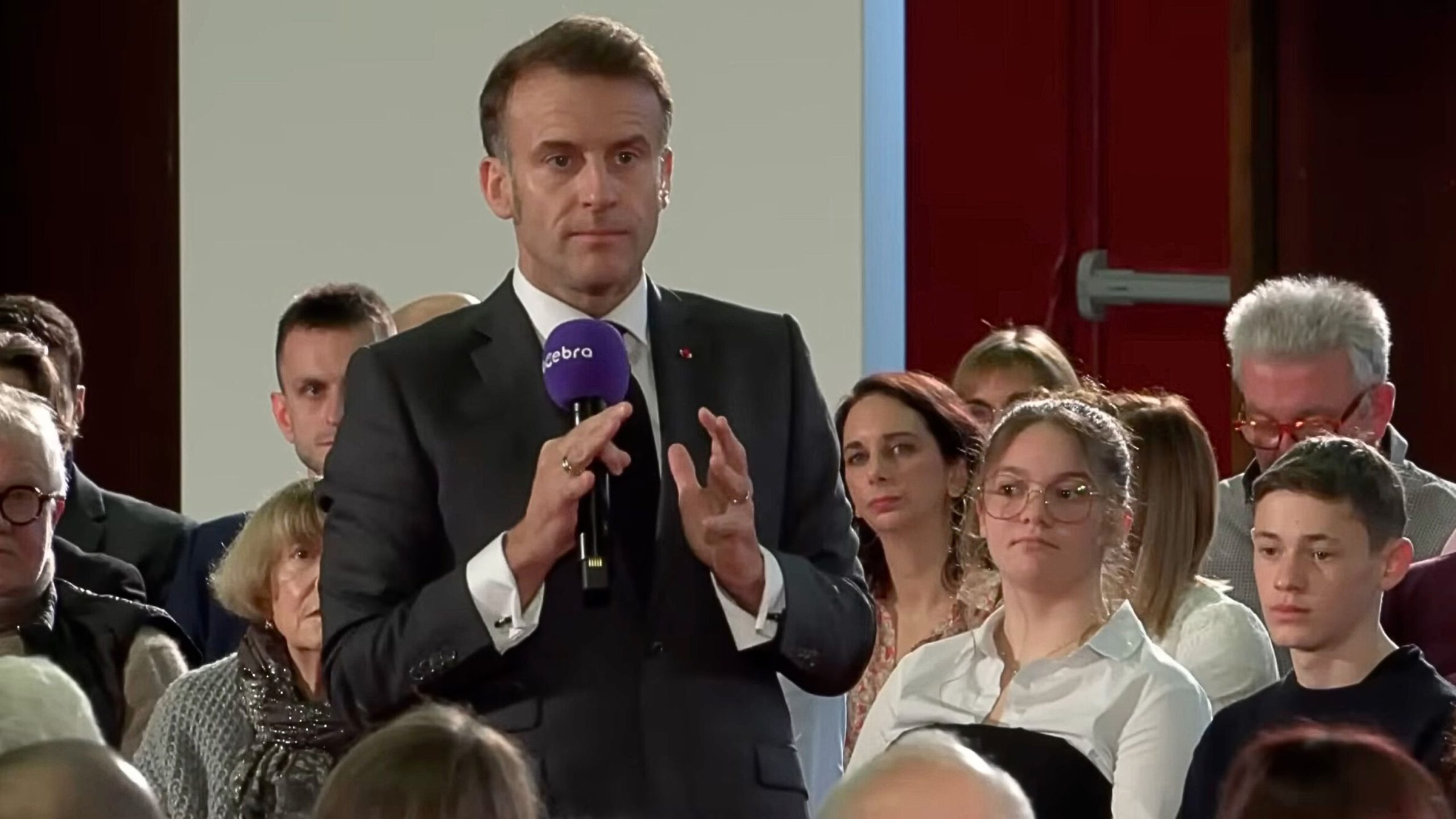
Macron’s Mission to Muzzle the Internet
A president once enamored with disruption now dreams of an internet that obeys his censorship demands.
-

Telegram Pushes Back On Censorship In Brazil: “Democracy is under attack”
Telegram has been fighting off censorship orders for some time.
-
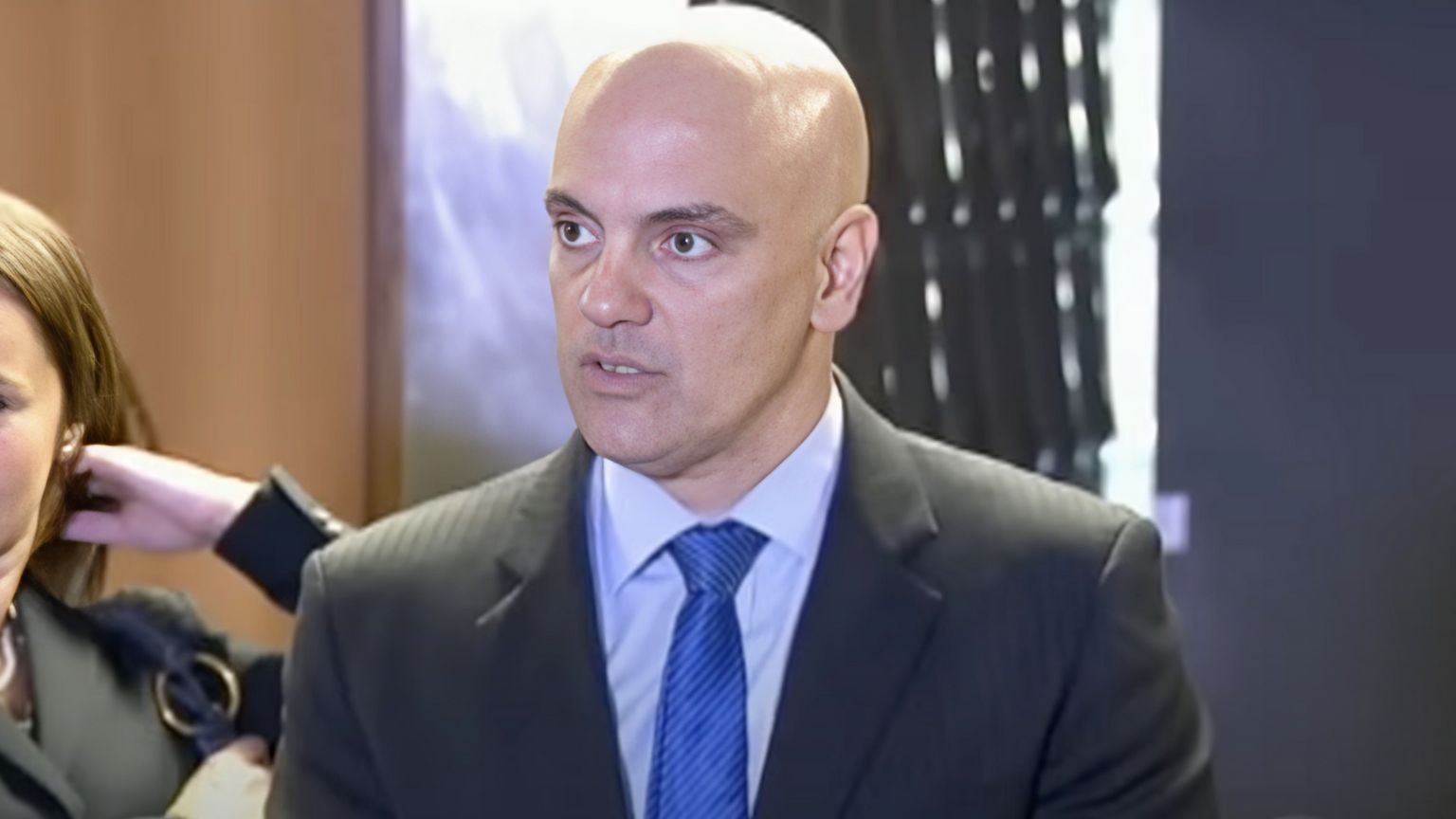
Brazilian Justice Will Punish Tech Companies That Criticize Government’s Censorship Law
An authoritarian attack on speech.
-
Google removes criticism of Brazil’s “fake news” censorship law after government threatens it with huge fine
Brazil’s Justice Minister suggested silencing Google would somehow protect freedom of expression.
-
Spain prosecutes and sentences its first case under online “fake news” law
First of its kind.
-
Russia arrests another journalist, Mikhail Afanasyev, for content that criticizes Ukraine invasion
New censorship laws in Russia are being used increasingly.
-
Russia censors two more independent news outlets
Escalating censorship.
-
Google instructed translators not to call Ukraine invasion a “war”
A contradiction to their public statements.
-
Russia bans Google News
Blocked.
-

Russian Instagram model targeted by new censorship law after posts supporting Ukraine
The maximum punishment is 15 years in prison, but Belonika isn’t in the country.
-
Russia introduces law to jail sharers of “misinformation” for 15 years
A sweeping censorship law.
-
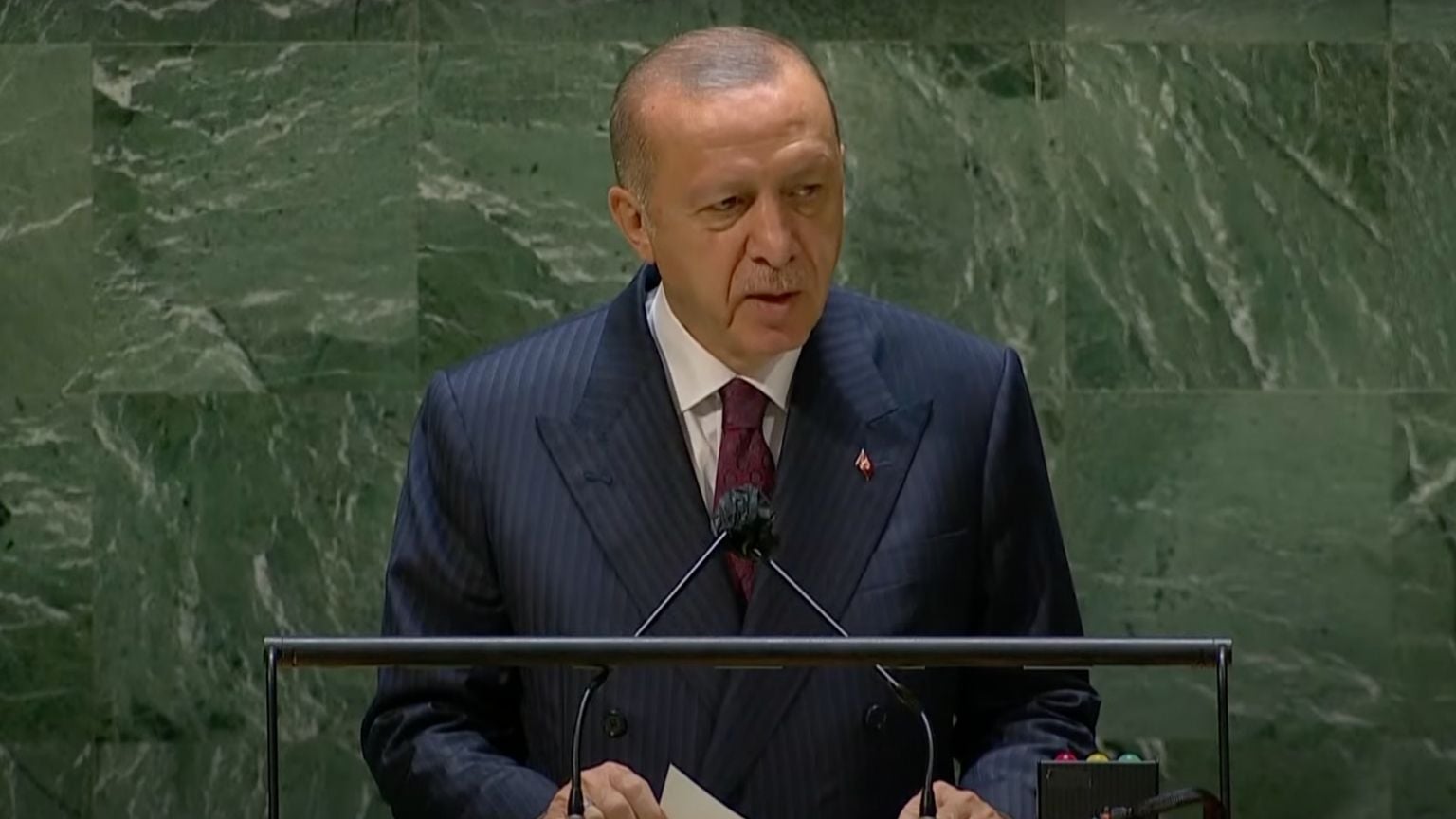
Turkey’s President Erdogan says social media is a threat to democracy, demands more censorship
Calls for a “fake news” ban.