As expected, European Commission President Ursula von der Leyen has announced that the EU Kids Act will propose that no child under 13 should be allowed on social media, while 13 and 14-year-olds should have limited accounts.
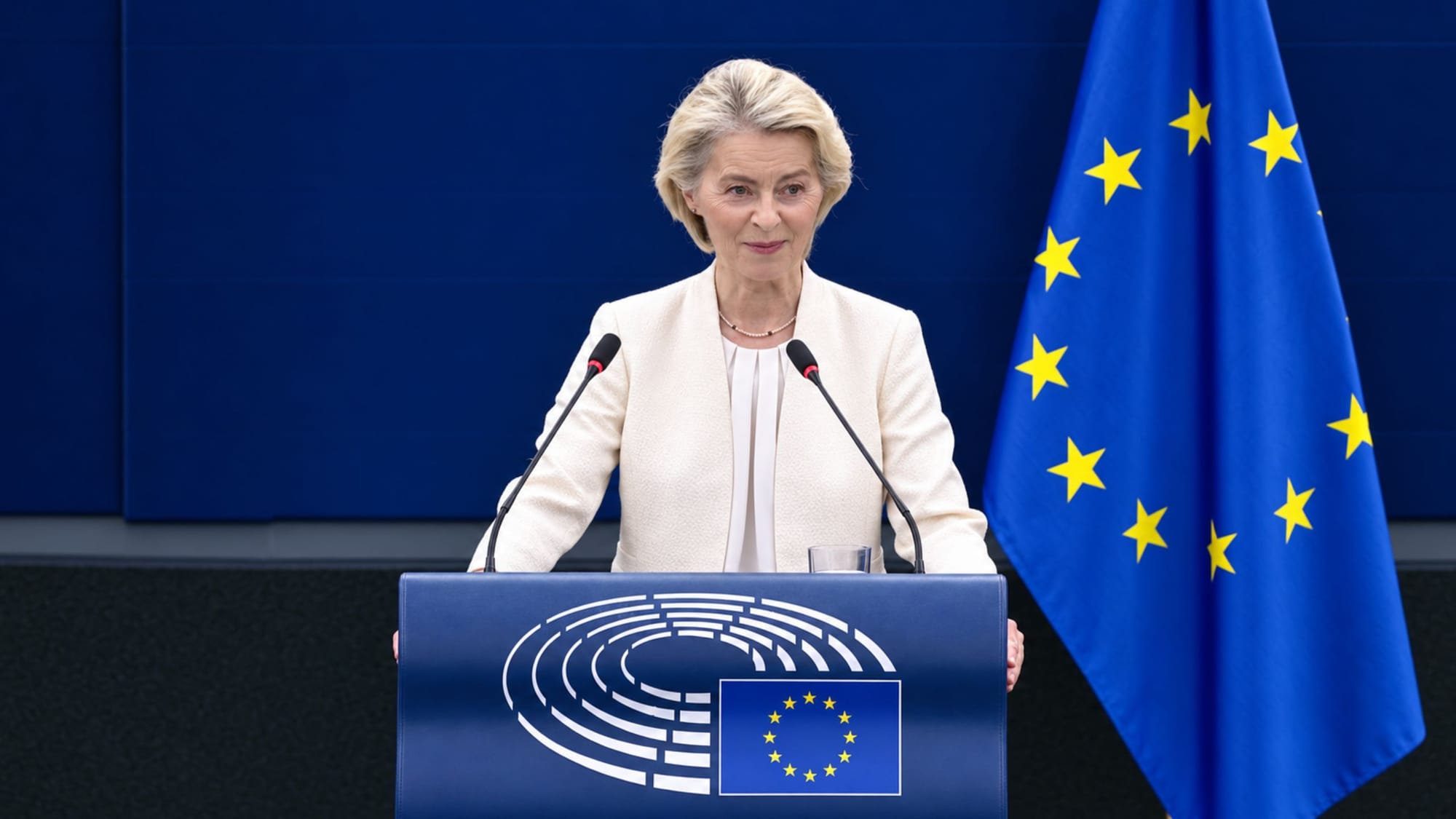
The announcement, just in time for the EU’s planned digital ID rollout, was made in von der Leyen’s State of the European Union address in Strasbourg on Wednesday.
According to von der Leyen, the Act would ensure that “no social media under the age of 13. No personal account under the age of 15.”
Children between the ages of 13 and 14 will be allowed a limited account, with a limited set of features, and with a time limit of one hour a day, and parents will have to set up and supervise these “mini accounts.”
Von der Leyen also said that the Act would reverse the burden of proof, so that instead of regulators having to prove that a service is unsafe, it will be up to the platforms to prove that their product is safe for minors.
The Commission President also took aim at Big Tech, saying, “I am aware that many perceive the power of big tech as overwhelming and impossible to roll back. I disagree.” She added, “Europe has the power to act. It is us who decide the rules, not Big Tech.”
The scope of the Act will cover social media, video sharing platforms, app stores, online games, as well as AI companions and chatbots, with a focus on “high-risk” services, although the definition of that category is not yet clear.
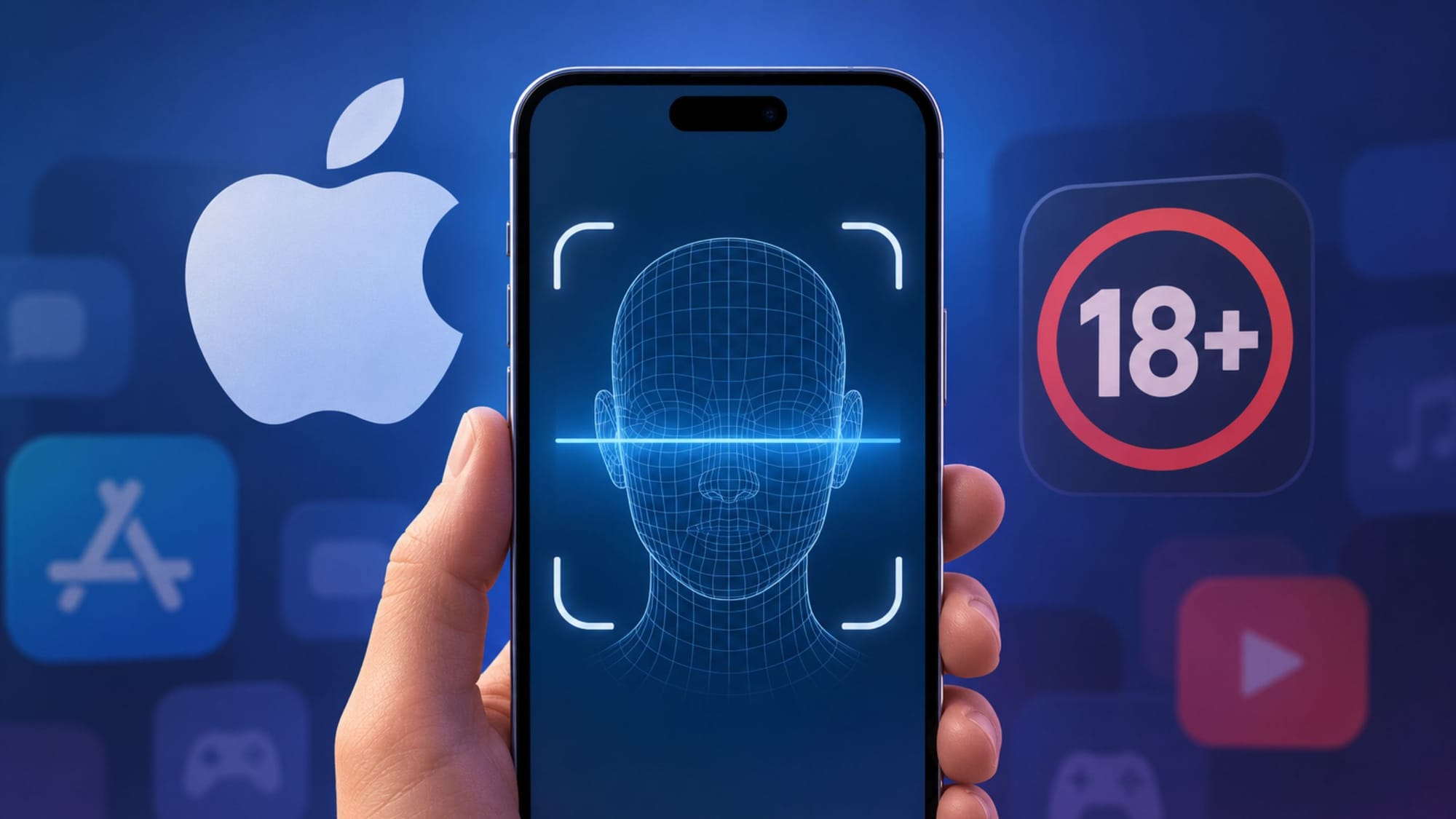
Other rules that have been reported as part of the Act are age checks for every new account, with existing users also subject to “proportionate” checks, taking into account the time they have been subscribed to a service. Verification will be done via an app, either the one developed by the Commission or a national equivalent. These apps will only return information about whether a user is over or under a certain age.
The draft also reportedly seeks to ban certain design features, such as infinite scrolling, autoplay, and push notifications, as well as artificial notifications and rewards. The text is said to state that “technology companies bear primary responsibility for making their products safe.”
Fines for non-compliance can reach up to 6% of a company’s global annual turnover, while a supervisory fee will be introduced to make sure the Commission can enforce the new rules.
The Commission’s app was presented by von der Leyen in April in Brussels, and at the time, she said it was “fully open source. Everyone can check the code.”
But security consultant Paul Moore took the Commission up on that and found that the app stores sensitive data on phones and leaves it unprotected. According to Moore, he was able to hack the app in under two minutes.
The Commission first responded to this by saying the app was ready and could always be improved. A week later, a spokesperson described the version presented as “a demo version.”
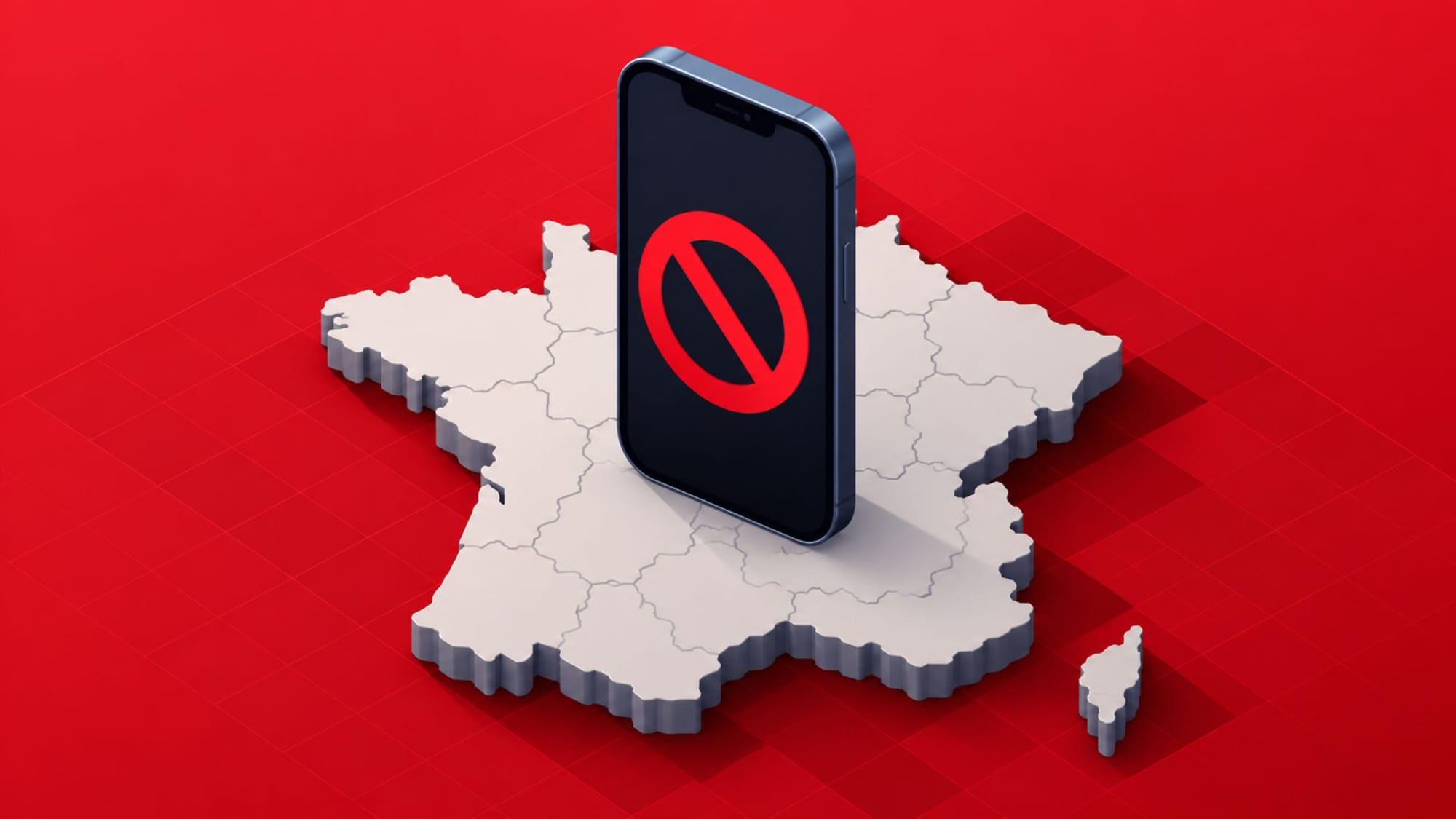
The Kids Act is not the only attempt to regulate the age of internet users. Australia was the first in the world to introduce a ban on under-16s in December 2025, while France in July voted to keep under-15s off social media, only to have the country’s Constitutional Council strike down the law in August as not protecting children’s data properly, and being too harsh.
France does not currently have a law in force that bans children from using social media.
French President Emmanuel Macron then turned to the EU, asking it to come up with a rule that would apply across the bloc.
Spain, Denmark, and Sweden are working on their own rules, while Estonia and Belgium are opposed to any age-based ban.
The European Parliament had earlier proposed 16 as the age limit, while as recently as Monday, it was unclear what age the Kids Act would propose, with Commission experts in favor of 13, and France pushing for 15. The final proposal seems to have incorporated both.
The Act needs to be approved by the European Parliament and the EU Council, a process that can take years. Meanwhile, Lauro Fava of the law firm Pinsent Masons has been quoted as saying the Kids Act would “be a new EU behemoth” alongside the DSA and the AI Act. He added that companies “will be able to comply with a single, coherent, and potentially more balanced rulebook than if they had to deal with a multitude of member state laws.”