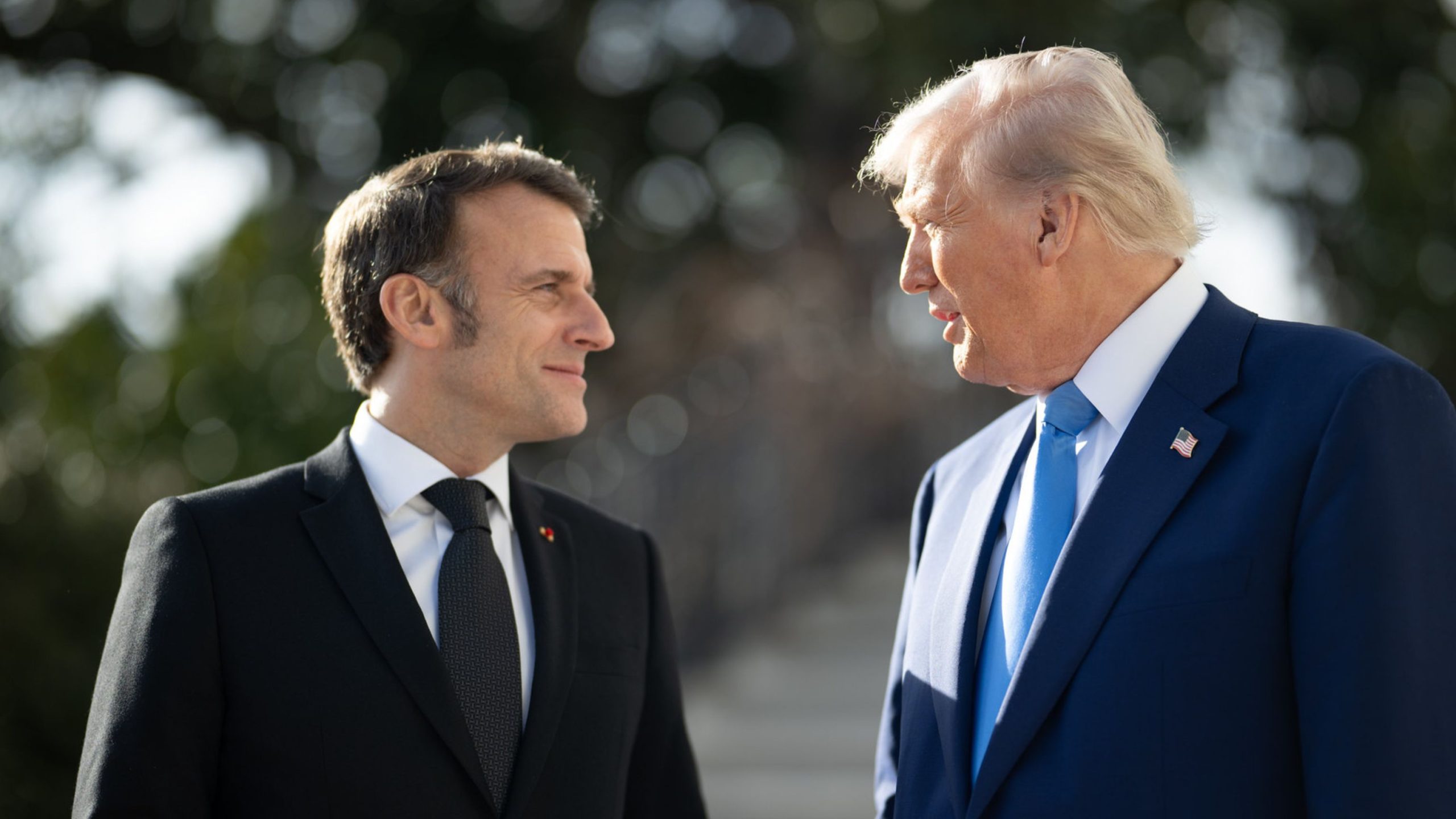
French President Emmanuel Macron wrote to US President Donald Trump last week, asking him to lift visa bans on former pro-censorship EU tech commissioner Thierry Breton and International Criminal Court judge Nicolas Guillou. The timing is awkward. The same week Macron sent the letter, he declared the online free speech argument “pure bullshit.”
Macron is asking Washington to spare a man who spent his career building the architecture of European speech control, one who designed the rules and one who works for an institution Washington considers a threat to its allies.
Breton’s case is the more telling one. Washington sanctioned him specifically for his central role in designing the Digital Services Act, the EU’s online content rulebook and censorship law that became the legal basis for a major fine against X last year. Breton also appeared to threaten Elon Musk when Musk announced he was to be interviewing then-candidate Donald Trump.
Macron’s letter argues the DSA has “no extraterritorial scope” and is based on “erroneous analyses.” The EU’s rules, he insists, “apply without discrimination, on European territory, to all companies concerned.”
That argument has a problem. A US House Judiciary Committee report released recently found that TikTok updated its global content moderation policies to comply with the DSA. Not its European policies; it’s global ones. When a law makes American platforms change how they moderate speech everywhere in the world, the claim of no extraterritorial effect becomes difficult to sustain.
The DSA gives EU regulators the power to demand that platforms remove content designated “harmful,” a category regulators define and can redefine.
The platforms subject to it serve hundreds of millions of users well beyond EU borders. When those platforms adjust their global moderation rules to comply, the speech consequences land everywhere.
Breton has been barred from entering the United States since December 23, 2025.
“I ask you to reconsider these decisions of your administration and to lift the sanctions unjustly imposed on Nicolas Guillou and Thierry Breton,” Macron wrote, according to a report Sunday by La Tribune.
Macron’s letter describes the sanctions against Breton as undermining “European regulatory autonomy.” What the DSA undermines is speech.
Whether visa bans are the right tool for that dispute is a separate question. What Macron cannot credibly claim is that the EU’s content regulation system is not trying to censor those outside of Europe’s borders, or that the man who built it bears no responsibility for what it does.