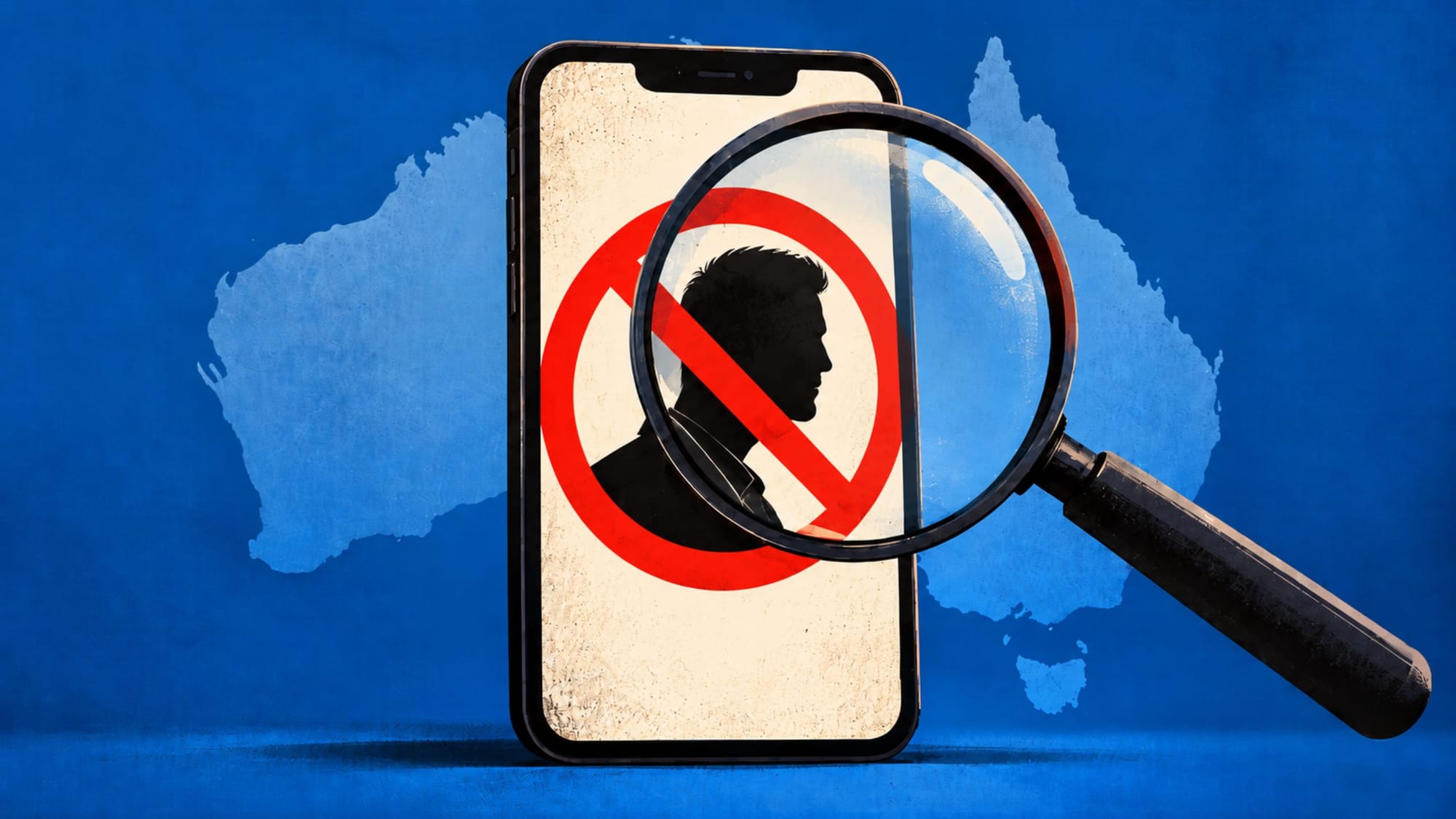

Public backlash has forced Ring to cancel its partnership with Flock Safety, the law enforcement surveillance company whose camera network has reportedly given ICE and other federal agencies access to footage across the country.
Ring announced the cancellation this week, saying the integration never went live.
The company’s statement was careful:
“Following a comprehensive review, we determined the planned Flock Safety integration would require significantly more time and resources than anticipated. We therefore made the joint decision to cancel the integration and continue with our current partners…The integration never launched, so no Ring customer videos were ever sent to Flock Safety.”
That last sentence is doing a lot of work. Ring users responding to the Flock announcement went further than strongly worded tweets. People smashed cameras. Others announced publicly that they were throwing their devices away. The Amazon-owned company had badly misread the moment.
Flock Safety is a surveillance technology company that operates a nationwide network of AI-powered cameras, primarily known for license plate readers, and sells access to the resulting database of vehicle movements to roughly 5,000 law enforcement agencies across the United States.
The Flock partnership was announced back in October 2025, and you may remember the feature report How Amazon Is Turning Your Neighborhood Into a Police Database, which gave deeper insight into the plans.
It got pushback at the time, but only became a bigger crisis after the recent outrage some cities have shown to ICE enforcement activity, when social media posts claimed Ring was providing a direct pipeline through Flock to ICE.
That specific claim isn’t accurate, since the Flock connection never went live. But Ring’s broader relationship with the police is real and extensive, which gave the fear enough traction to land.
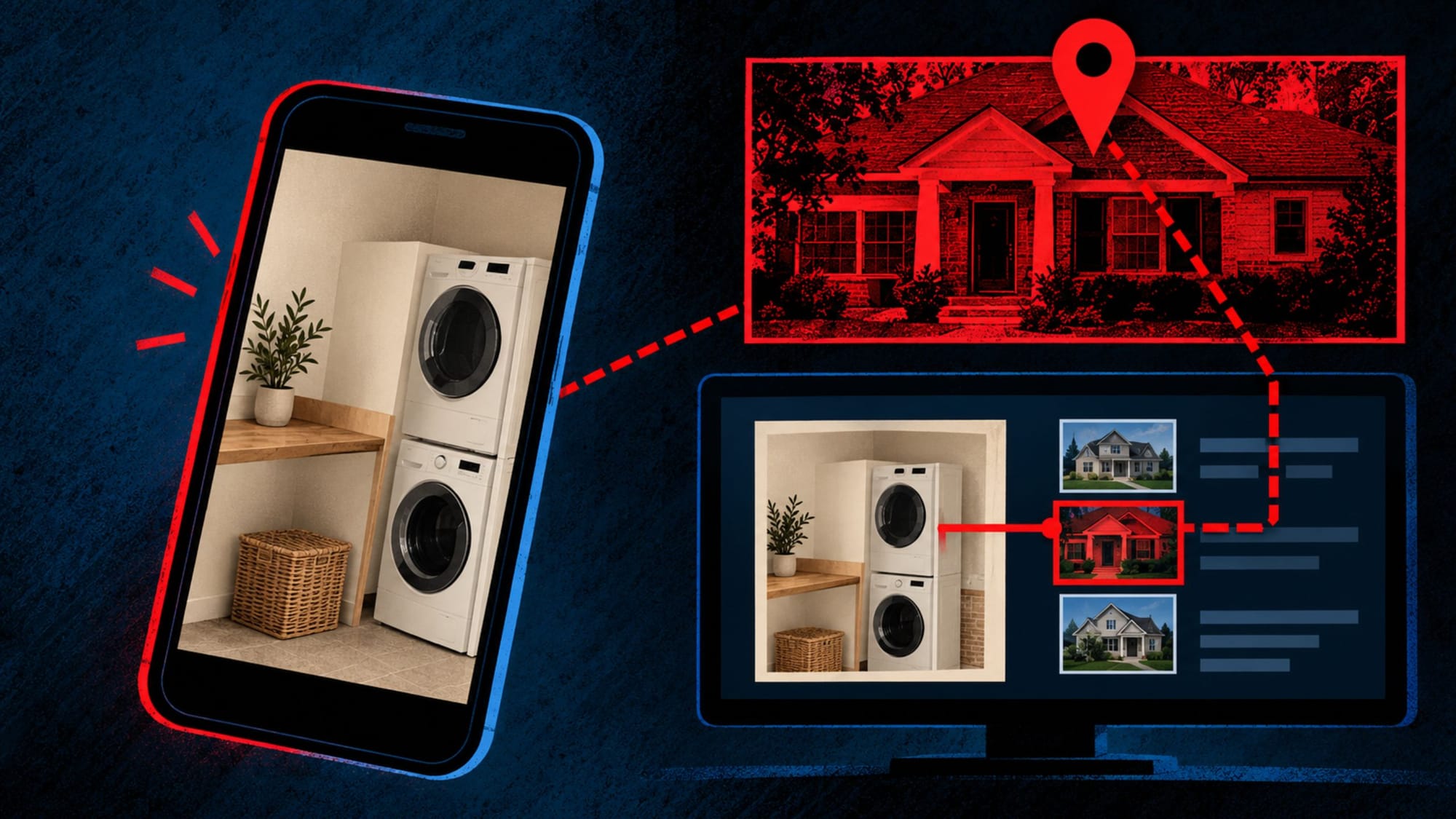
Then came the Super Bowl. Ring aired an ad for its new AI-powered Search Party feature during the game, showing dozens of neighborhood cameras scanning the streets in coordinated sweeps.
The company says Search Party is for finding lost dogs and cannot locate people. Whether that’s permanently true or just true right now is a different question. Either way, the timing was terrible.
Ring recently launched Familiar Faces, a facial recognition feature that identifies people appearing on your cameras.
The gap between “neighborhood cameras that recognize faces” and “neighborhood cameras that search for people” is not large.
Canceling the Flock deal doesn’t change Ring’s relationship with law enforcement. The company’s Community Requests program, which Flock was supposed to plug into, continues operating.
Ring’s statement made that explicit, framing the program around a December 2025 shooting near Brown University:
“When a shooting occurred near Brown University in December 2025, every second mattered. The Providence Police Department turned to their community for help, putting out a Community Request. Within hours, 7 neighbors responded, sharing 168 videos that captured critical moments from the incident. One video identified a new key witness, helping lead police to identify the suspect’s vehicle and solve the case. With a shooter at large, the community faced uncertainty about their safety. Neighbors who chose to share footage played a crucial role in neutralizing the threat and restoring safety to their community.”
Ring deploys this kind of story strategically. It’s emotionally effective and also structurally misleading: a voluntary act by seven neighbors is not the same as a platform-wide system that allows law enforcement to collect video from any Ring user in a given area during any active investigation.
Community Requests replaced Ring’s previous Requests for Assistance program, which consumer groups had spent years criticizing for letting police pull footage without a warrant.
The new version requires law enforcement agencies to work through a third-party evidence management platform rather than requesting footage directly. Ring says this protects the chain of custody.
What it also does is limit which agencies can submit requests to those already paying for approved software providers.
Ring’s insistence that it’s not building mass surveillance tools would be more persuasive if the system it’s actually building didn’t look so much like the one it’s denying.