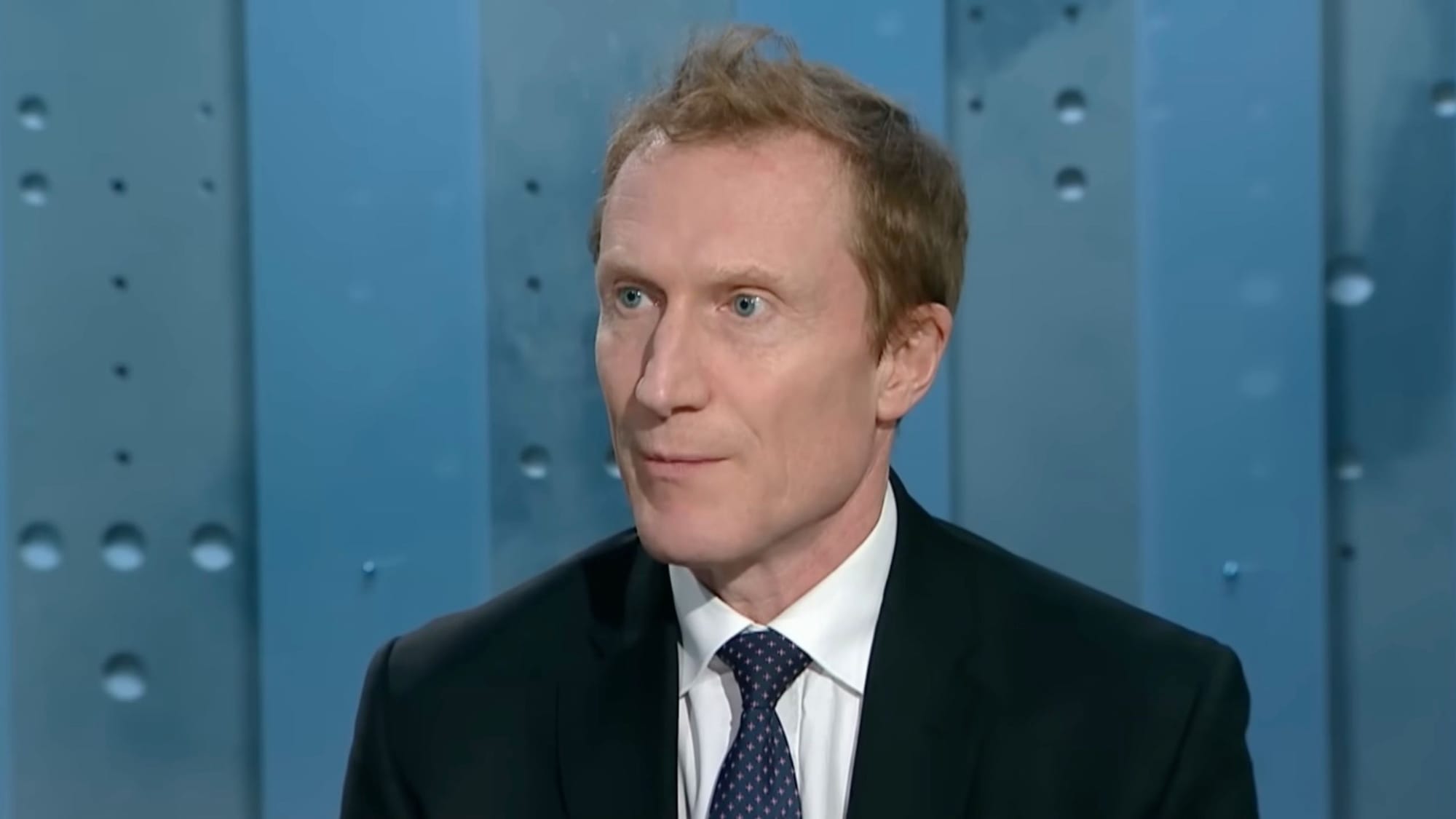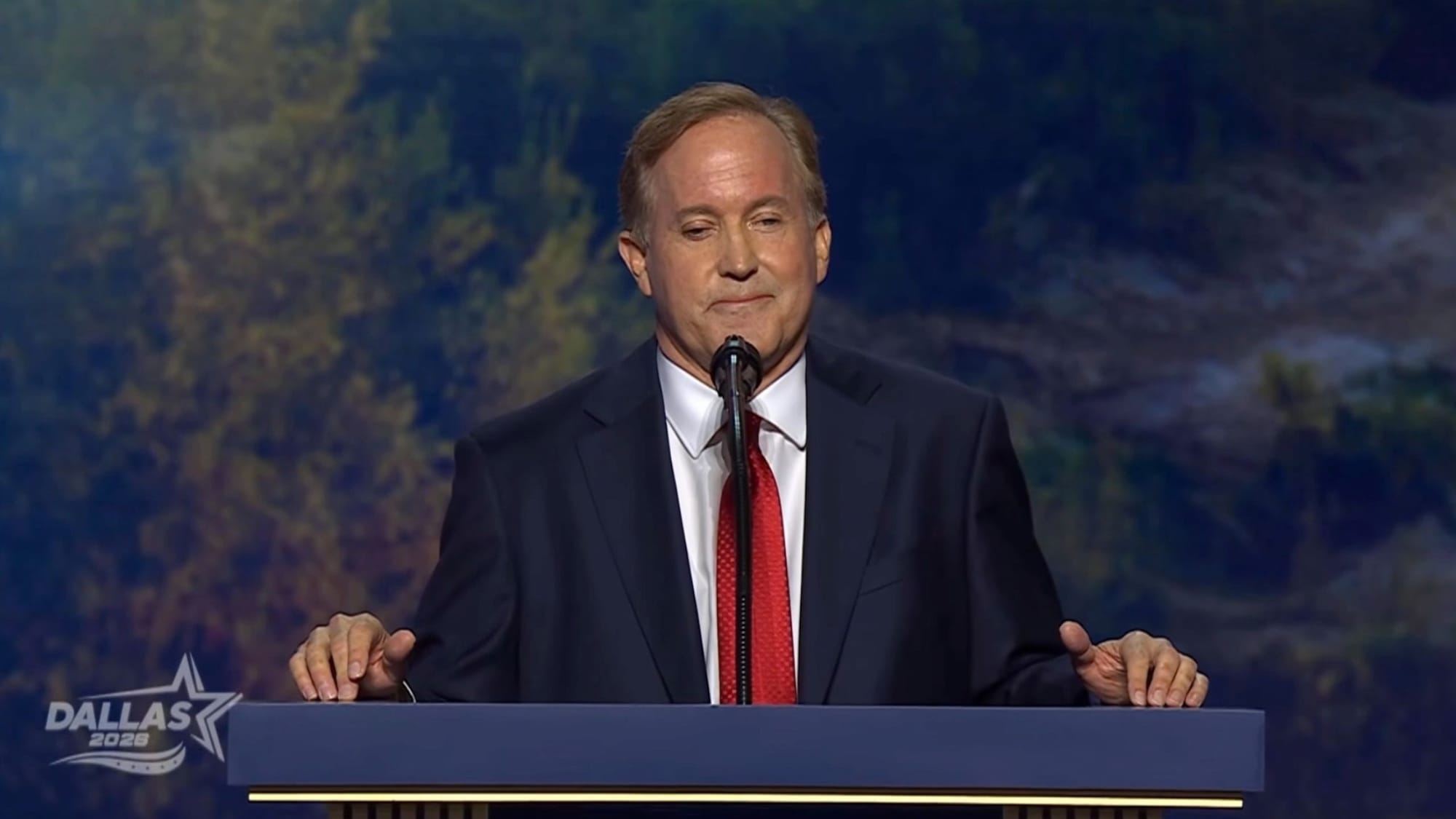
Texas Attorney General Ken Paxton is at it again with calls for age verification digital ID checks, this time suing OpenAI and its CEO Sam Altman in a district court over the way the company’s chatbot is designed and functions.
The lawsuit, filed in Collin County on Friday, wants the court to issue an injunction that would force OpenAI to implement age verification on ChatGPT users.
According to the petition, OpenAI is accused of “designing, offering, and maintaining a dangerous product that provides content unsuitable for children without requiring any age verification.”
The claims against OpenAI and Altman are made under the Deceptive Trade Practices-Consumer Protection Act (DTPA) and the SCOPE Act.
The petition asks the court to order OpenAI to stop “Offering ChatGPT to minors in Texas” and to stop running the product “without requiring adequate age verification” and “without parental consent.”
Another order Texas wants is to prevent OpenAI from releasing any new model to its users in that state “unless an independent third-party evaluator, approved by the Court, has reviewed its safety guardrails and approved its release.”
Texas also wants a court order stopping OpenAI from selling a product “that functions unreliably while falsely representing that reliability.”
As for monetary compensation, Texas wants $10,000 in civil penalties for each violation, disgorgement of the company’s assets, attorneys’ fees and costs, and is asking for a jury trial.
The petition states that “The free version of ChatGPT has no gatekeeping or age verification mechanism whatsoever.” The paid tier, it continues, “nominally asks users to provide their age” but “there is no mechanism to verify the age of its users.”
According to the filing, ChatGPT has “tens of thousands of users who are under 13 years of age” in Texas, and it cites a Common Sense Media line that “ChatGPT should be for adults only.”
Under the SCOPE Act, a “verified parent” is defined as a “parent or guardian of a known minor whose identity and relationship to the minor have been verified by a digital service provider.”
The act requires providers to use a “commercially reasonable method” to verify that identity and relationship. Texas complains that “Defendants do not request, nor verify, any information related to a purported parent or guardian’s identity or relationship to a known minor.”
The filing says that OpenAI “collects private and sensitive information including information regarding Texans’ health, finances, relationships, and children” and that “OpenAI gains access to data that is shared with ChatGPT, regardless of sensitivity or confidentiality.”
The state objects to how much OpenAI knows about Texans – and the remedy is to make sure it knows even more by introducing ID checks.
The petition also takes aim at ChatGPT’s reliability, citing a BBC and NPR study that found errors in answers about news, and lawyers sanctioned for using fake citations generated by the chatbot.
A Texas federal judge, Brantley Starr, is quoted as saying, “On hallucinations, they make stuff up – even quotes and citations.”
The petition opens with a 2015 quote from Altman: “AI will probably most likely lead to the end of the world, but in the meantime, there’ll be great companies.”
Paxton, who is running for the US Senate, said, “With the rapid advancement of AI technology, OpenAI has the responsibility to protect users and warn them of the many dangers of its platform” and “I will fight to protect Texans from the harms of AI and ensure that powerful technology companies are not above the law.”
OpenAI reacted by saying, “Governments have an important role to play in setting robust safety standards for AI, and we’re committed to working with Texas and other states on advancing pragmatic AI policies that apply to the entire AI industry – not just one company.”
Previously, eight states sued OpenAI in mid-October, with several of the filings stating that “No age verification is required to access the ChatGPT website.”
Florida’s AG James Uthmeier asked a court to impose “a robust and effective age verification system” and also wants the court to approve new models before they are rolled out.
OpenAI already uses a system that guesses a user’s age from their behavior, and adults flagged as minors can prove their age by sending a selfie or a government ID to a third party, Persona.
A court made OpenAI hand over 20 million ChatGPT conversations to the New York Times and other publishers.
The Tumbler Ridge families’ lawsuits want OpenAI to stop flagged users from opening new accounts – and to achieve this, every user would have to be identified.
The case is not about a government shutting down a speech platform, or censoring content – at least not directly. But it does ask the court to approve or reject new versions of the chatbot, which is used for all sorts of conversations, including those that are private and confidential.
While Texas is up in arms over how much data ChatGPT collects and has access to, the private conversations that the petition mentions would, as a result of the proposed solution, be tied to verified identities.