
Topic: Rachel Levine
The controversy surrounding Rachel Levine highlights the ongoing battle over free speech and censorship, particularly in relation to satire and social media platforms. Incidents involving the Babylon Bee and other satirical content reveal how platforms like Twitter and TikTok enforce policies that restrict expression, often labeling certain viewpoints as dangerous. This situation raises critical questions about the limits of free speech and the role of tech companies in moderating content.
-
Fired Over a Meme: The Free Speech Fight the Justices Passed Up
The decision leaves unresolved how far public employers can reach into employees’ private lives.
-
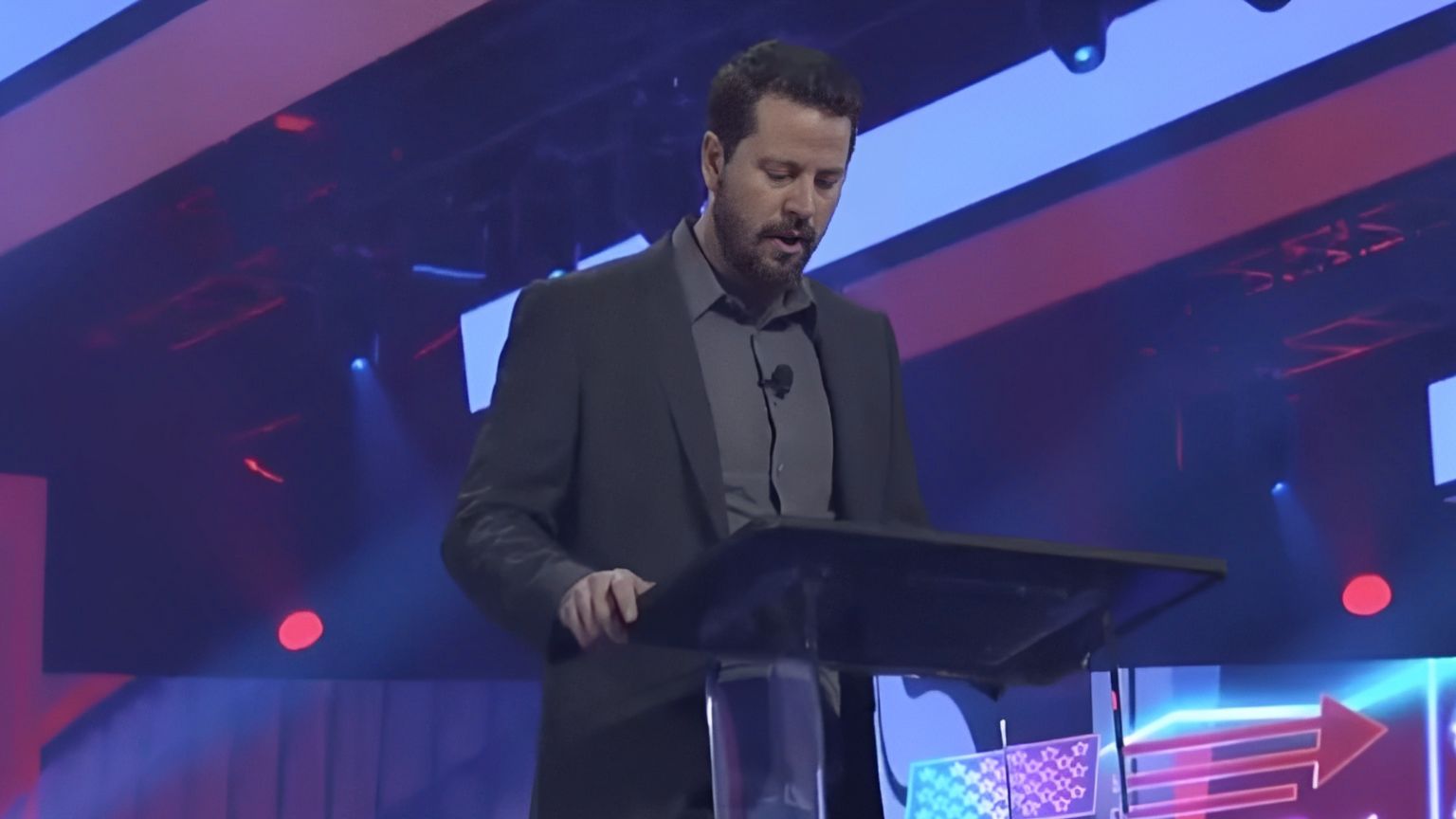
Babylon Bee chief criticizes social media’s censorship of satire
The Babylon Bee has face multiple acts of censorship.
-
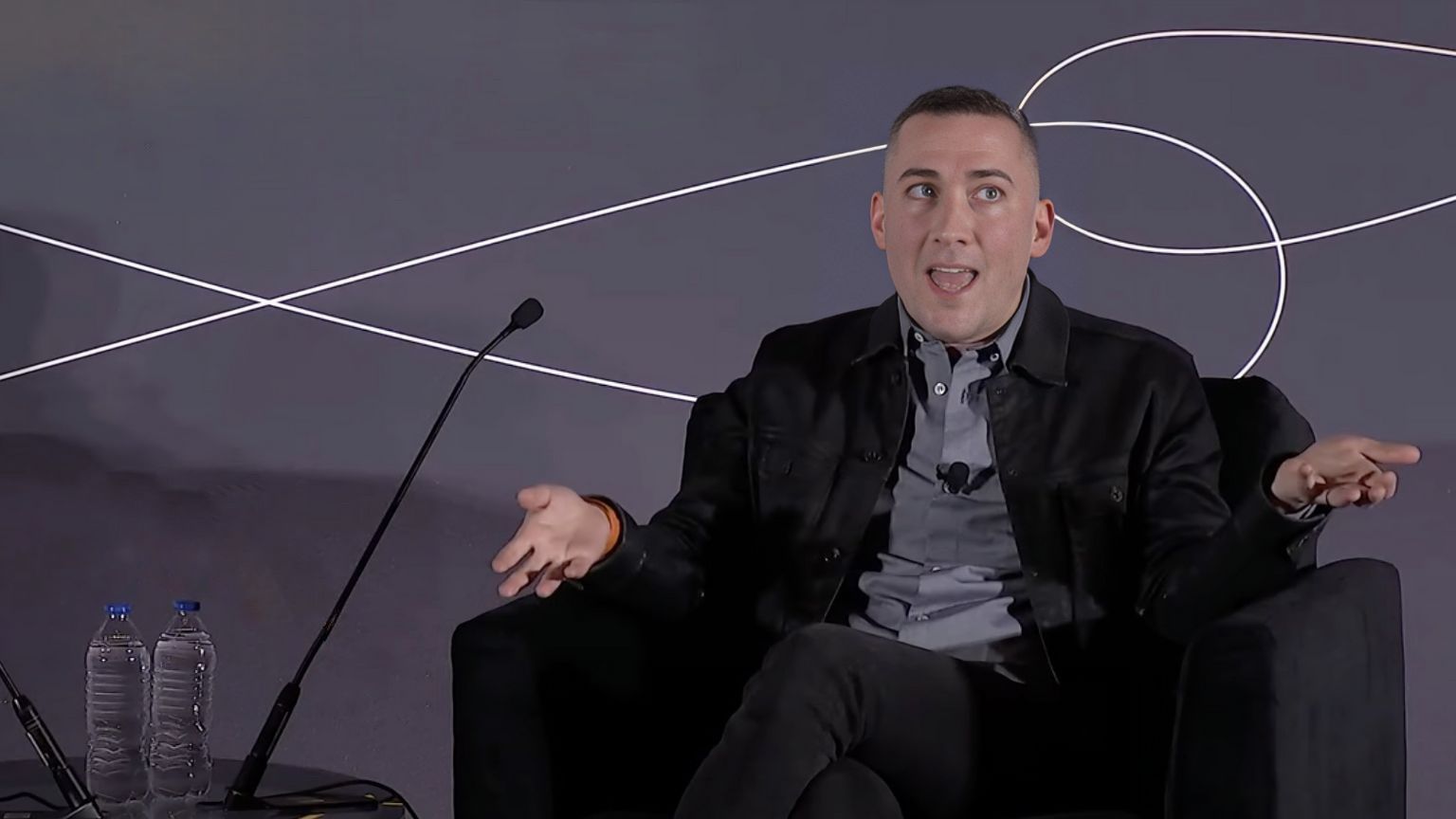
Former Twitter censor stands by decision to ban satire site Babylon Bee – “not funny,” “dangerous”
The popular site was banned for what Twitter calls “misgendering.”
-
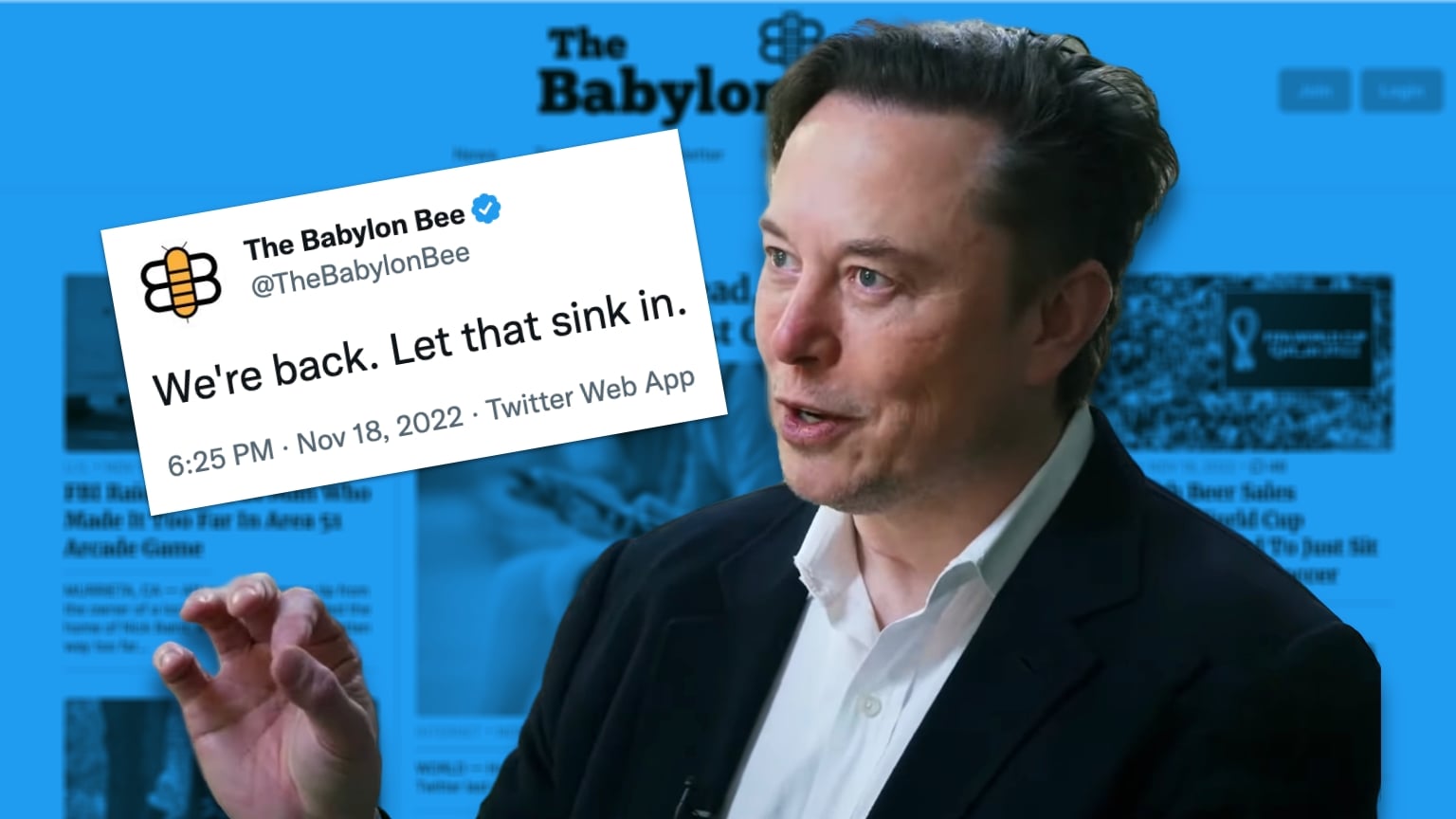
Twitter reinstates The Babylon Bee and others
The first reinstatements since Elon Musk took the helm.
-

TikTok bans popular satirical news site, The Babylon Bee
Another platform censors the popular site.
-
-

Twitter locks out Babylon Bee after “Man of the Year” article
“Hateful conduct.”
-
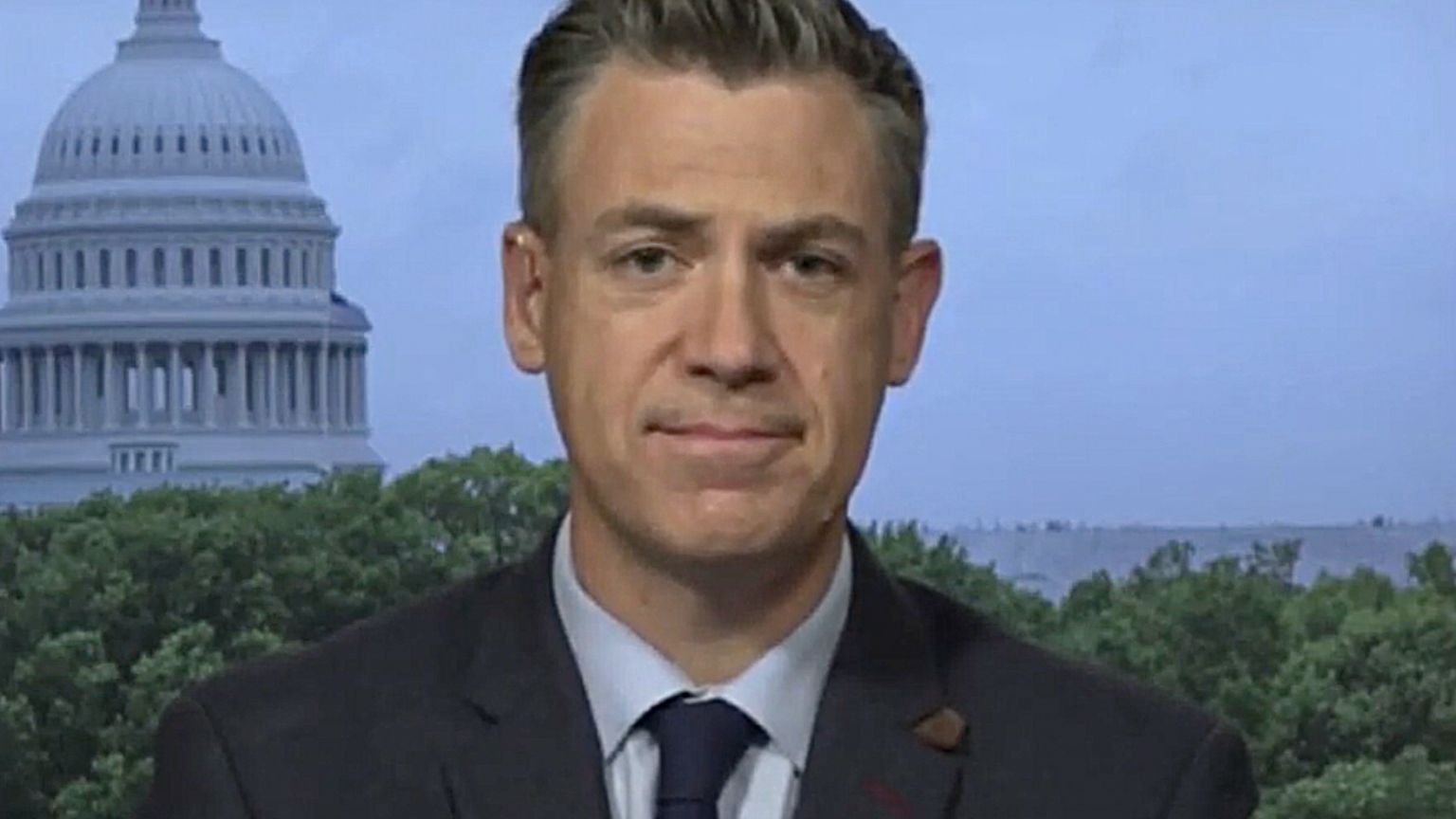
Rep. Jim Banks criticizes Twitter for locking his official account
Banks was locked out under Twitter’s “misgendering” policy.
-
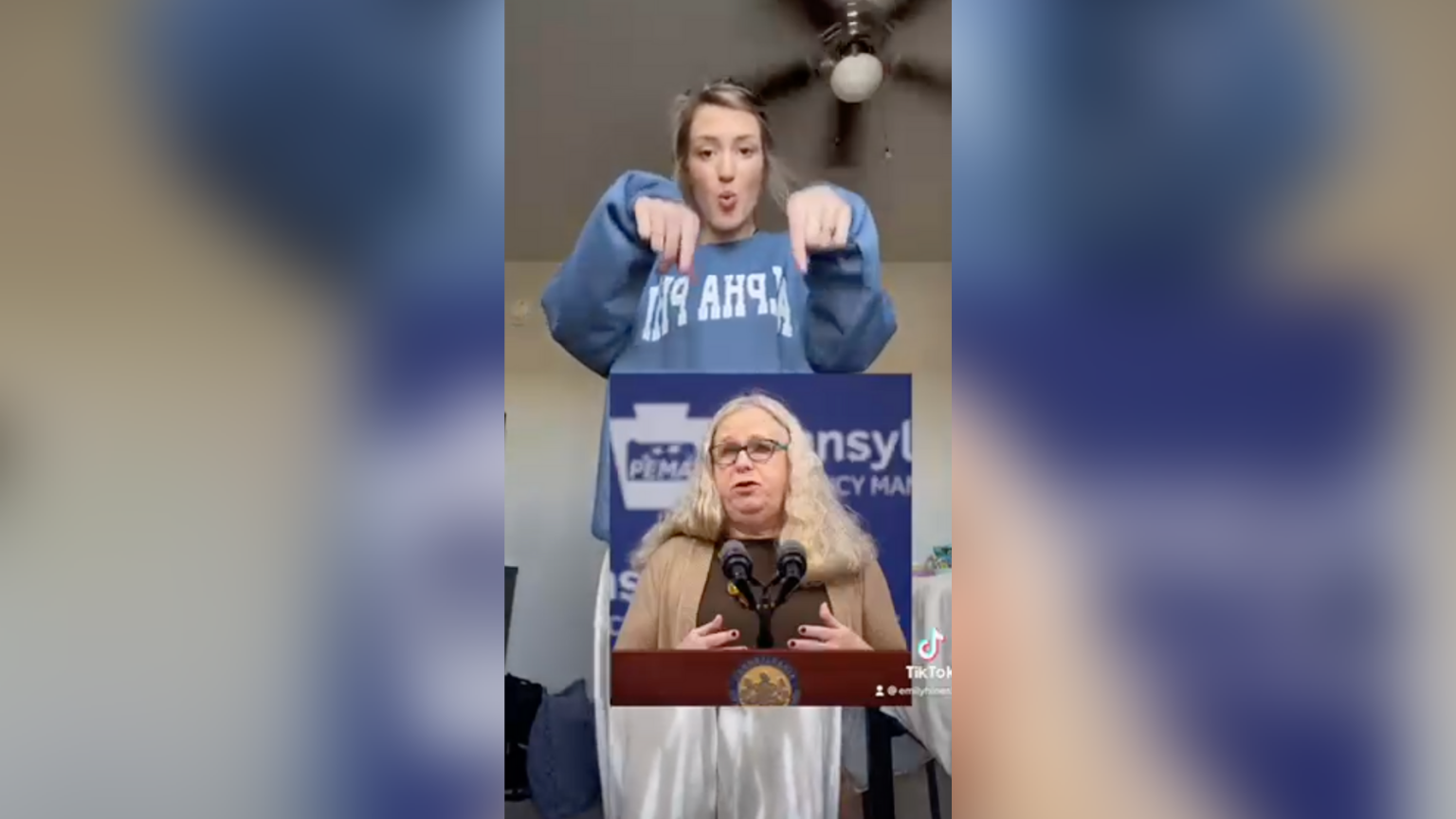
LSU ignored bias complaint of sorority student kicked out over TikTok video
Hines was denied her rightful appeal.
-

Bloomsburg Fair’s Facebook post earns the ire of activist groups with a list of demands
The fair is accused of transphobia.