
US
Activists Telling Companies to Boycott Facebook Ads Are Still Running Facebook Ads Themselves
Do as I say, not do as I do.
 Members
Woke Corporate America Is Becoming a Major Threat to Online Speech
? The increased corporate virtue signaling combined with peak cancel culture and media pressure is creating a mass push for online censorship.
In the Age of Online Mob Justice, False Accusations Are Getting Serious
People are feeling comfortable enough to make false allegations online.
Review of the DMCA Fails to Address Problems With False Copyright Claims
Only issues for rights-holders and big platforms are considered.
Twitter Users Call for the Suspension of Kansas State Student After Joke, but His Tweet Is Protected Speech
Student and commentator Jaden McNeil faced death threats and calls for suspension after making a joke on Twitter.
Facebook HR Employee Fired After Undercover Video Shows Racial and Political Bias Within Company
A new undercover video shows employees’ biased content moderation tactics.
New Bill “Lawful Access to Encrypted Data Act” Is the New Threat to Private Messaging
At this point it seems lawmakers will never come up with a single good piece of tech legislation anytime soon.
Facebook Moderator Whistleblower Raises the Alarm on Biased Algorithms
The whistleblower disputes Mark Zuckerberg’s testimony to congress.
Instagram Is Preparing to Request Government-Issued ID From Users
It could be similar to how Facebook wants to verify users that go viral.
Only 20% of People Trust Big Tech to Decide What People Are Allowed to Talk About
People want more freedom, a new survey suggests.
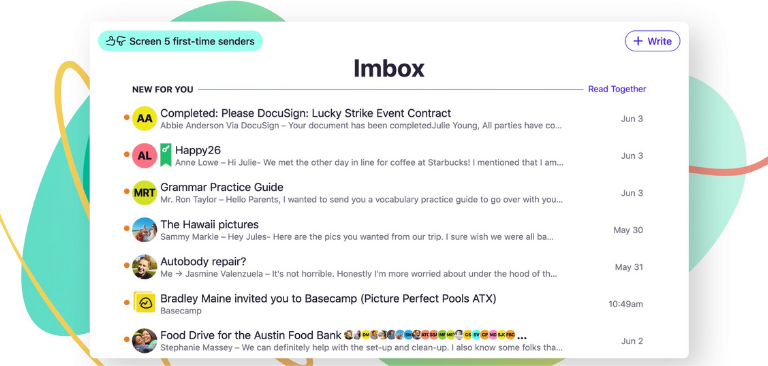
Apple’s App Store Shakedown Gets New Attention as Email App Hey Is Rejected From App Store
“There is never in a million years a way that I am paying Apple a third of our revenues.”
Over 70% of Americans Won’t Download Any Contact Tracing App
Privacy fears are cited.