
Germany
 Members
Withdrawal Symptoms on The Long Goodbye to Big Tech
The first few weeks with an alternative are often the price of having one.

Tuta Mail App Launches in the Nextcloud App Store
Tuta and Nextcloud are betting that interoperability can make digital sovereignty usable.
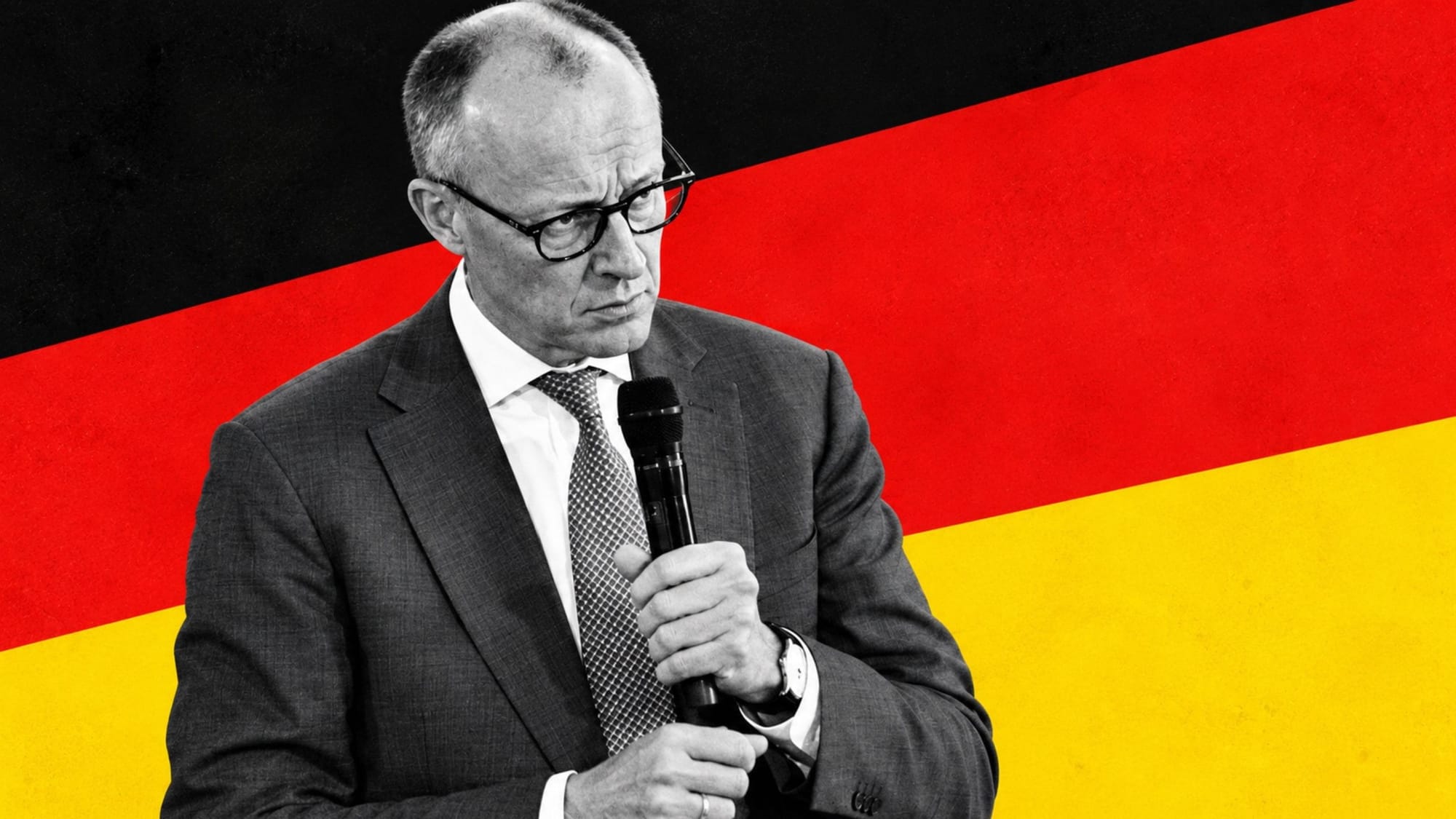
Friedrich Merz Again Calls for an End to Online Anonymity
The chancellor would like to be clear that free speech is not a value he shares. He would also like your name.

German Customs Made Secret Messenger Surveillance Permanent
A leaked directive reveals how exceptional access became routine procedure.

Germany Fines Citizens a Month’s Wages for Insulting Chancellor Merz on Facebook
The fine isn’t really about the money, it’s about teaching everyone else to never criticize power.

Germany Considers Law to Force Social Media Algorithm Boost for State-Approved News
The regulators who would decide what counts as “reliable” news are appointed through a chain that starts with the same politicians whose coverage they’d be curating.
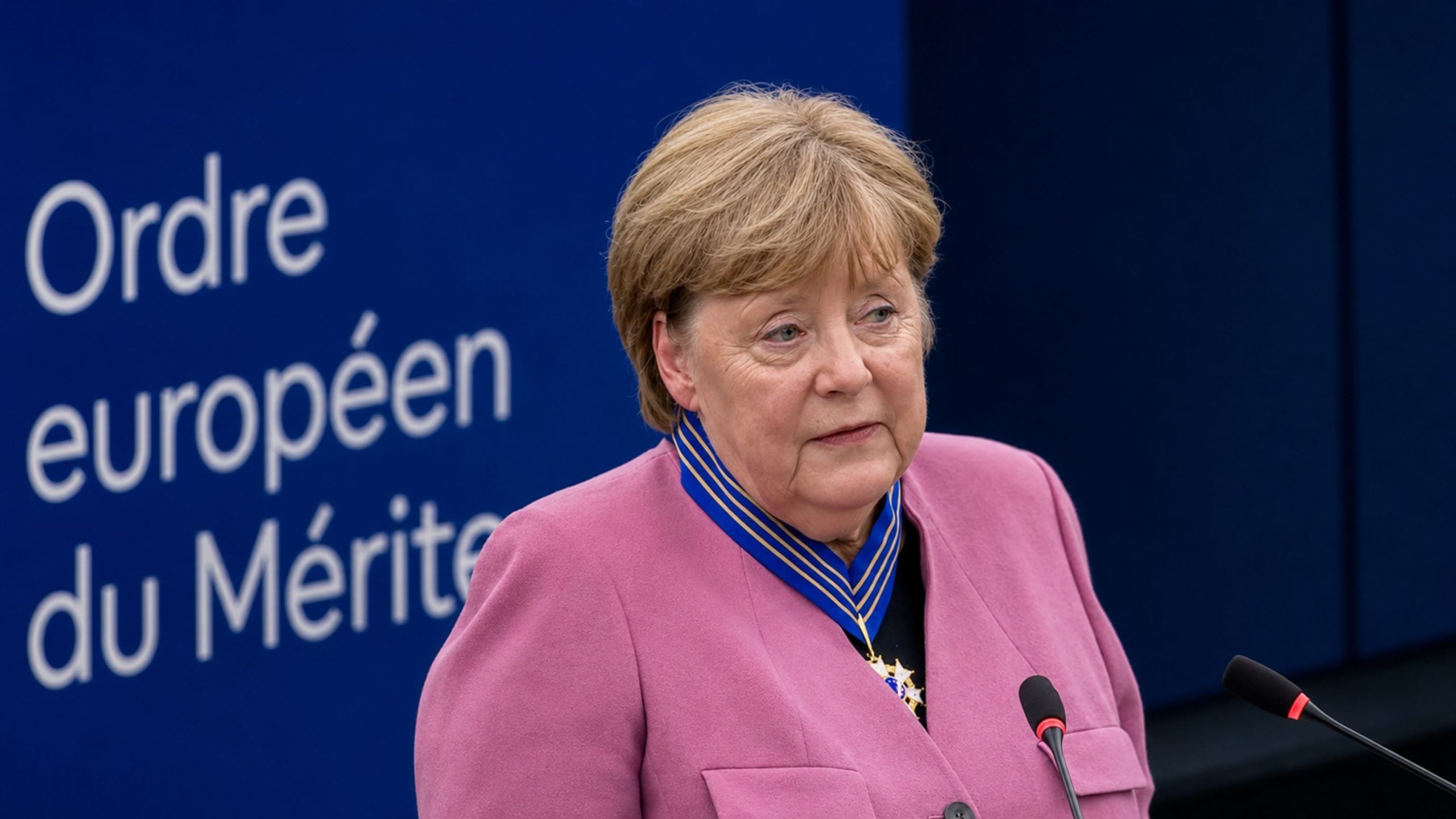
Merkel Urges EU to Keep Regulating Social Media Speech
The architect of Germany’s original internet censorship law now wants the whole continent to stop worrying and learn to love the delete button.

Court Forces German Chancellor Merz to Open Files on 300 “Insult the Chancellor” Cases
The Chancellor who calls himself a defender of democratic norms now has roughly 300 prosecutors working to protect his feelings.

Tuta Announces Quantum-Resistant Encrypted Cloud Storage, Tuta Drive
Ten million users already trust Tuta with their email, and now the same quantum-resistant math covers everything they store.
EU Says EUDI Wallet Is Voluntary; Germany’s SPD Plan Says Otherwise
You don’t set an 80% adoption target for something you genuinely intend to keep optional.

Germany Drafts Law Making AI Deepfake Memes a Crime
Germany’s draft deepfake law under Justice Minister Stefanie Hubig could criminalize political memes with up to two years in prison.
European Parliament Rejects Mass “Chat Control” Surveillance by Single Vote
The EU’s own data showed the scanning system failed to produce a single measurable link between mass surveillance and actual convictions.